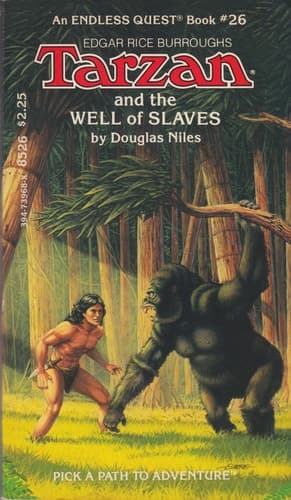
Tarzan 2 in 1 Tarzan, Lord of the Jungle and Tarzan and the Lost Empire
Russ ManningPublished1997
Pages406
Formatpaperback
PublisherRandom House Publishing Group
Synopsis
Two classic adventures starring the Lord of the Jungle for the price of one! "Tarzan, Lord of the Jungle": Cruel slave traders had invaded the jungle of Tarzan. Now they were headed toward a fabled empire of riches no outsider had ever seen, intent on looting. And "Tarzan and the Lost Empire": In a forgotten valley, Tarzan discovers an outpost of ancient Rome--and is forced into deadly combat.
Recommendations
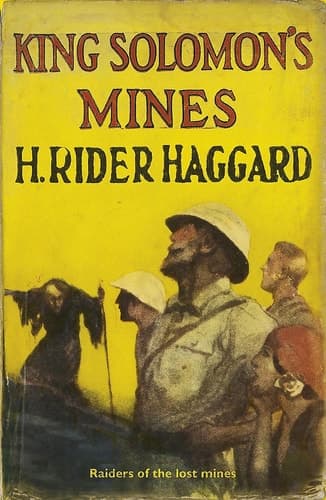
King Solomon's Mines
by H. Rider Haggard
Haggard's 1885 adventure has that same intoxicating blend of jungle exploration, lost civilizations, and high-stakes treasure hunting that makes Burroughs' work so propulsive. Where Tarzan navigates by instinct and physical prowess, Haggard's protagonists use cunning and maps—but both authors share an almost archaeological fascination with discovering what's hidden beyond the known world.
View book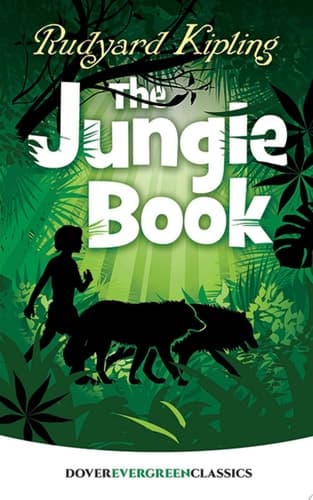
The Jungle Book
by Rudyard Kipling
Published in 1894, this is a fascinating counterpoint to Tarzan—Kipling's Mowgli is raised by animals in a jungle that operates by strict social codes and hierarchies, whereas Burroughs' Tarzan becomes a kind of noble outsider. Both explore what it means to be civilized versus wild, but Kipling's animal characters have genuine personalities and politics that add unexpected depth to the adventure.
View book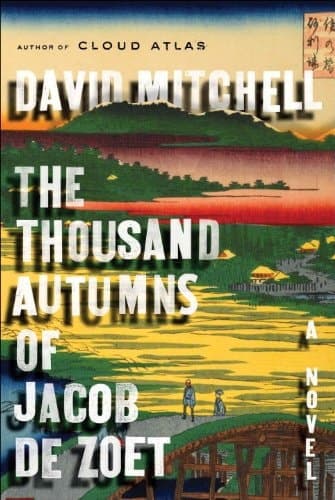
The Thousand Autumns of Jacob De Zoet A Novel
by David Stephen Mitchell
Here's the curveball: Mitchell's 2010 novel shares Burroughs' fascination with collision between worlds—a Dutch trader arrives at a Japanese trading post where he's an outsider navigating unfamiliar rules and hidden dangers. It has the same propulsive plot momentum and physical peril as Tarzan, but Mitchell's prose is more intricate, and the real adventure is intellectual and emotional rather than just physical combat.
View book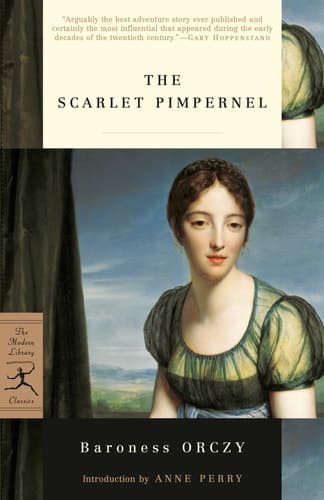
The Scarlet Pimpernel
by Baroness Orczy
Orczy's 1905 hero is a master of disguise and physical prowess operating in hostile territory—much like Tarzan, but set against the French Revolution. What makes this special is the cat-and-mouse game between the Pimpernel and his pursuer; there's genuine wit and strategy alongside the action, and the protagonist's dual identity creates a tension Burroughs doesn't quite explore.
View book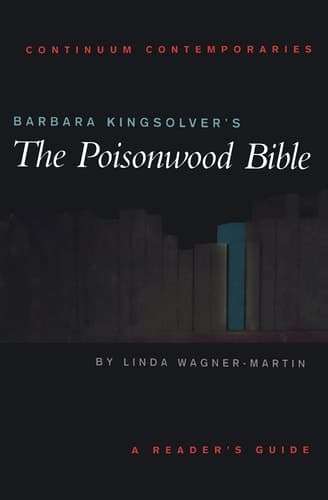
Barbara Kingsolver's The Poisonwood Bible A Reader's Guide
by Linda Wagner-Martin
Kingsolver's 1998 epic follows a family navigating the Congo—a landscape that's as much a character as any person, full of danger and beauty that defies Western understanding. While it's literary fiction rather than adventure pulp, it captures something Burroughs touches on but doesn't fully develop: the jungle as a living, intelligent force that demands respect and adaptation, not just conquest.
View bookAbout Russ Manning
R
Russ Manning
1929–1981
Biography coming soon.
View author page