Synopsis
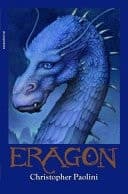
Este es el primer título de una trilogía que tiene como protagonistas a un valiente guerrero y a su indomable dragona Saphira. Su protagonista es el joven Eragon, quien vive en una pequeña y pobre aldea. El lugar está tan apartado, que casi todo lo que sucede en otras partes del reino le resulta ajeno a sus habitantes. Ellos aún no saben que una terrible guerra se está gestando, y que la paz está punto de quebrarse en el Imperio. La esperanza de todos, él aún no lo sabe, descansará desde ahora en Eragon, quien un buen día se encuentra con una piedra preciosa en medio del bosque a donde había ido a cazar. Lo único que el muchacho desea es venderla para así asegurar la subsistencia de su familia durante el duro invierno. Sin embargo, una noche la gema se rompe y lo que sale de ella lo llevará a un emocionante y arriesgado viaje que lo convierte en héroe.
Recommendations

The Name of the Wind
by Patrick Rothfuss
Like Eragon, this follows a young man discovering hidden magical abilities while living in poverty, but Rothfuss takes a more introspective approach—his protagonist is telling his own story, which creates this intimate tension between the hero you're meeting and the legend you're hearing about. The magic system feels earned through study and struggle rather than destiny, giving it a different flavor while maintaining that same sense of a young person stepping into a larger world.
View book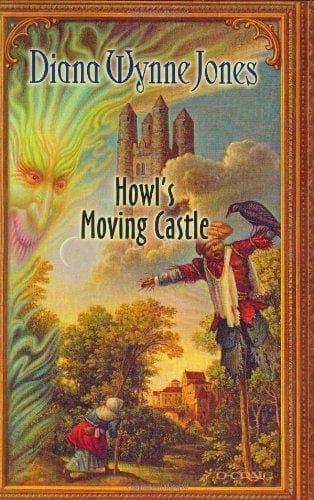
Howl's Moving Castle
by Diana Wynne Jones
This is my curveball recommendation, and I think you'll appreciate it more than you'd expect. While it has the magical adventure you loved in Eragon, Jones prioritizes character development and wit over spectacle—her heroine Sophie is ordinary, practical, and funny in ways that ground the fantastical elements. The romance between Sophie and Howl develops with genuine chemistry rather than destiny, and the book's exploration of how people change through relationships offers something different from Eragon's focus on chosen-one mythology.
View book
The Hobbit, J.R.R. Tolkien
by J.R.R. Tolkien
I know this seems obvious, but here's why it's worth reading now rather than before: Bilbo's journey mirrors Eragon's in structure, but Tolkien's prose style and the way he builds Middle-earth's history and languages create a completely different reading experience. Coming to it after Eragon, you'll notice how Tolkien trusts his world-building to speak for itself rather than explaining everything, which might actually deepen your appreciation for how Paolini constructed Alagaësia.
View book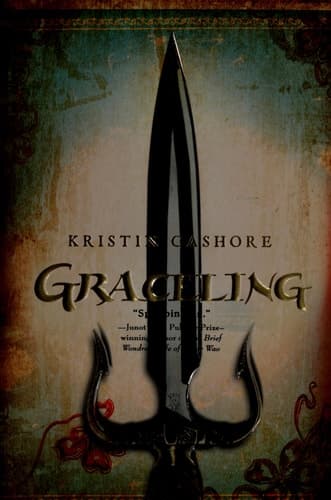
Graceling
by Kristin Cashore
Cashore gives you a protagonist with a unique magical gift (like Eragon's dragon-bonding) but explores what it means to be powerful in a society that fears and controls you. Her heroine Katsa is already skilled and confident at the story's start, so instead of watching someone discover their abilities, you're watching someone reclaim agency over them—it's a refreshing angle on the chosen-one narrative that still delivers adventure and romance.
View book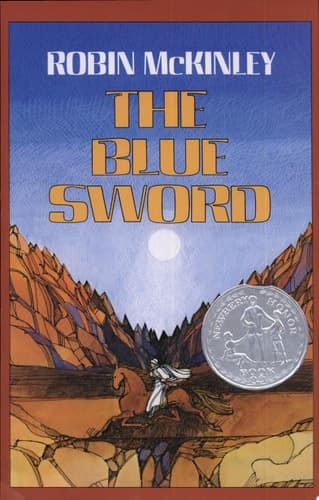
The Blue Sword
by Robin McKinley
Published in 1982, this gives you that earlier fantasy sensibility while exploring themes Paolini touches on—a young outsider discovering they belong to a magical culture, learning to fight, and finding their place in a larger conflict. McKinley's approach to world-building through cultural detail rather than exposition, and her treatment of how Harry learns to value herself despite her differences, offers a more introspective companion to Eragon's more action-driven narrative.
View bookAbout Christopher Paolini
C
Christopher Paolini
Born 1983
American author
View author page