
Facing Codependence What It Is, Where It Comes from, How It Sabotages Our Lives
Pia MellodyPublished1989
Pages272
Formatpaperback
PublisherHarperCollins
Synopsis
Discusses the symptoms of codependence, explains how child abuse and dysfunctional family life can cause the condition, and suggests a path toward recovery.
Recommendations

The Body Keeps the Score Brain, Mind, and Body in the Healing of Trauma
by Bessel A. Van der Kolk
Van der Kolk takes the neuroscience behind what Mellody describes—how trauma literally rewires our brains and bodies—and shows you the mechanisms at work. Where Mellody gives you the map of codependence, van der Kolk explains the actual terrain, including why talk therapy alone sometimes isn't enough and what somatic approaches can accomplish.
View book
It Didn't Start with Roswell 50 Years of Amazing UFO Crashes, Close Encounters and Coverups
by Philip L. Rife
Wolynn extends Mellody's exploration of family dysfunction backward—he investigates how unresolved trauma from previous generations gets passed down and embedded in our bodies and behaviors. It's like discovering the root system beneath the dysfunctional patterns Mellody identifies, giving you another layer of understanding why you might be repeating family cycles.
View book
Emotional Blackmail When the People in Your Life Use Fear, Obligation, and Guilt to Manipulate You
by Susan Forward
Forward zeroes in on one specific mechanism that codependent people often experience—the FOG (fear, obligation, guilt) that keeps them trapped in unhealthy relationships. While Mellody gives you the broader diagnosis, Forward hands you a scalpel to identify exactly how manipulation works in your specific relationships and concrete strategies to interrupt it.
View book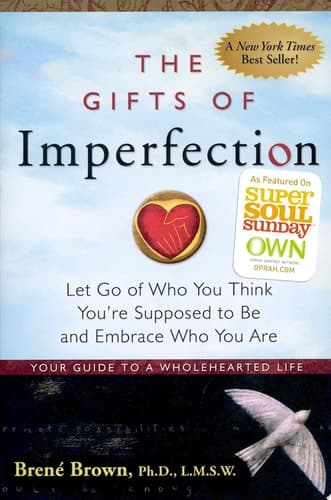
The Gifts of Imperfection Let Go of Who You Think You're Supposed to Be and Embrace Who You Are
by Breň Brown
This is your surprise recommendation—it reads less like clinical psychology and more like a conversation with a wise friend, but Brown is doing something crucial for codependent readers: she's showing you how perfectionism, shame, and the need to be 'enough' for others are connected, and how vulnerability (not people-pleasing) is actually the path forward. It's the hopeful, actionable companion to Mellody's diagnosis.
View book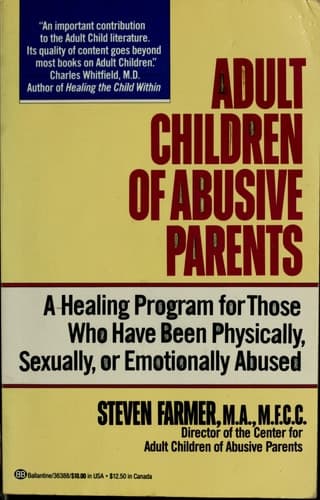
Adult Children of Abusive Parents A Healing Program for Those who Have Been Physically, Sexually, Or Emotionally Abused
by Steven Farmer
Gibson focuses specifically on the parental side of the equation—what emotionally immature parenting actually looks like and how it shapes adult children—giving you a more granular understanding of the 'dysfunctional family life' Mellody mentions. Published in 2015, it also incorporates decades of additional research and includes recovery strategies tailored to adult children rather than just general codependence.
View bookAbout Pia Mellody
Biography coming soon.
View author page