
Synopsis
Naomi Klein's No Logo is an international bestselling phenomenon. Winner of Le Prix Mediations (France), and of the National Business Book Award (Canada) it has been translated into 21 languages and published in 25 countries.
Named one of Ms Magazine's Women of Year in 2001, and declared by the Times (London) to be "probably the most influential person under the age of 35 in the world," in Fences and Windows, Naomi Klein offers a bird's-eye view of the life of an activist and the development of the "anti-globalization" movement from the Seattle World Trade Organization protests in 1999 through September 11, 2001. Bringing together columns, speeches, essays, and reportage, Klein once again provides provocative arguments on a broad range of issues. Whether she is discussing the privatization of water; genetically modified food; "free trade;" or the development of the movement itself and its future post 9/11, Naomi Klein is one of the most thoughtful and brilliant activists and thinkers for a new generation.
Recommendations

The Shock Doctrine The Rise of Disaster Capitalism
by Naomi Klein
I know this seems like cheating, but if you haven't read Klein's follow-up to *No Logo*, this is essential—it's where her thinking evolved into a more comprehensive economic critique. She traces how crises become opportunities for radical free-market policies, which deepens the globalization arguments you just engaged with by showing the *mechanism* behind the ideology.
View book
Teaching with Voices of a People's History of the United States by Howard Zinn and Anthony Arnove
by Gayle Olson-Raymer
Zinn does for American history what Klein does for contemporary activism—he reframes the entire narrative from the perspective of those usually left out of the official story. If you appreciated Klein's ability to connect dots between corporate power and everyday life, you'll find Zinn's method of asking 'whose perspective are we missing?' absolutely galvanizing.
View book
Utopia Guide to Indonesia (2nd Edition) The Gay and Lesbian Scene in 43 Cities Including Jakarta and the Island of Bali
by John Goss
Prashad extends Klein's analysis of globalization into the realm of geopolitics and covert operations—he documents how the U.S. has systematically destabilized governments that resisted neoliberal policies. It's the companion volume to *Fences and Windows* that shows the enforcement mechanisms behind the ideology Klein critiques.
View book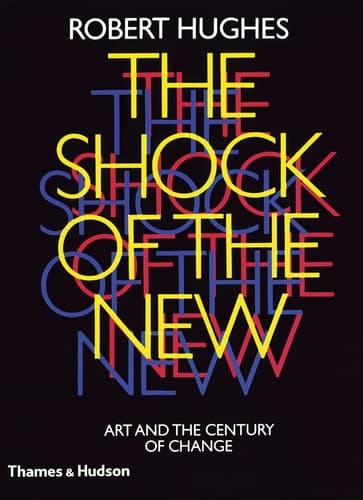
The Shock of the New Art and the Century of Change
by Robert Hughes
Here's your surprise pick: Hughes' 1980 meditation on modern art and culture as a response to industrial capitalism. It won't seem obvious, but Klein's argument about how corporations colonize culture and meaning-making finds its mirror in Hughes' exploration of how artists have resisted and reimagined modernity—it's the aesthetic dimension of the battles Klein documents.
View book
Body and Soul Profits with Principles, the Amazing Success Story of Anita Roddick & the Body Shop
by Anita Roddick
This is a deliberately provocative recommendation—Entine investigates Anita Roddick's Body Shop empire, which marketed itself as an ethical alternative to corporate beauty culture. It complicates Klein's *No Logo* thesis by showing how 'ethical branding' can itself become a marketing strategy, forcing you to think harder about what genuine resistance to corporate culture actually looks like.
View bookAbout Naomi Klein
N
Naomi Klein
Born 1970
Naomi Klein (born May 8, 1970) is a Canadian author, social activist, and filmmaker known for her political analyses, support of ecofeminism and organized labour, and criticism of corporate globalization, fascism and capitalism. Klein first became known internationally for her alter-globalization book *No Logo* (1999).
View author page