Synopsis
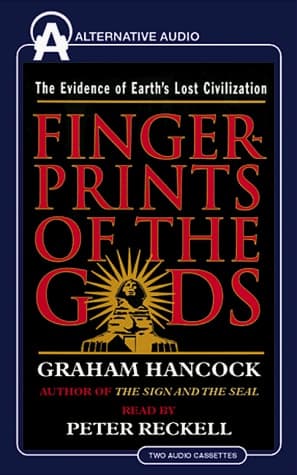
Using tools as varied as archaeo-astronomy, geology, and computer analysis of ancient myths, author Graham Hancock presents a compelling case to suggest that the story of mankind is far older than was previously believed. 2 cassettes.
Recommendations
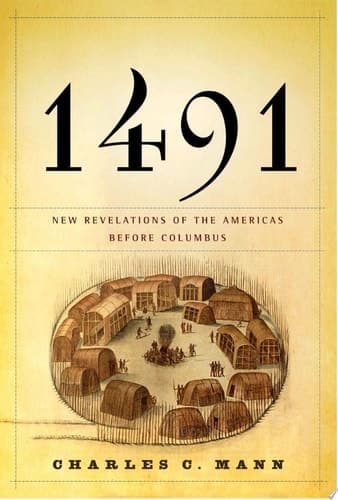
1491 New Revelations of the Americas Before Columbus
by Charles C. Mann
Mann does for pre-Columbian civilizations what Hancock does for ancient human history—he dismantles conventional academic wisdom using archaeology, genetics, and anthropology to argue that the Americas were far more sophisticated and densely populated than textbooks claimed. You'll get that same satisfying experience of having accepted history rewritten before your eyes, but grounded in more recent scholarship and peer-reviewed research.
View book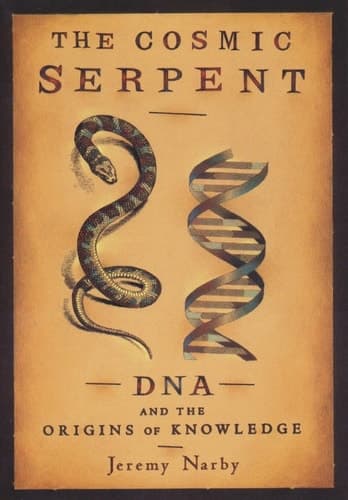
The Cosmic Serpent DNA and the Origins of Knowledge
by Jeremy Narby
Narby takes Hancock's willingness to connect disparate knowledge systems—shamanic traditions, molecular biology, ancient myths—and pushes it further into genuinely strange territory. Where Hancock uses computer analysis of myths, Narby asks whether indigenous knowledge about DNA might be encoded in those myths themselves. It's the kind of speculative-but-rigorous thinking that will either fascinate or frustrate you, but either way, you won't forget it.
View book
The Apocalyptic Vision of Mikhail Bulgakov's the Master and Margarita (Studies in Slavic Language & Literature)
by Edward E. Ericson
This is the surprise pick, but hear me out: Bulgakov weaves together multiple timelines and mythological frameworks—a contemporary Soviet narrative interlaced with a retelling of Pontius Pilate's encounter with Christ—in a way that mirrors Hancock's layering of ancient and modern evidence. It's literary fiction, yes, but it shares that same architectural ambition of showing how different historical moments and mythic patterns echo each other. Published in 1967, it also satisfies your decade requirement.
View book
The Selfish Gene
by Richard Dawkins
Dawkins applies rigorous analytical thinking to reframe how we understand human behavior and evolution—much like Hancock reframes human history. While one uses mythology and archaeology and the other uses genetics and game theory, both authors share that quality of taking an established framework and showing you why it's incomplete. Dawkins is more conventional science, but his willingness to challenge received wisdom about human nature will appeal to your taste.
View book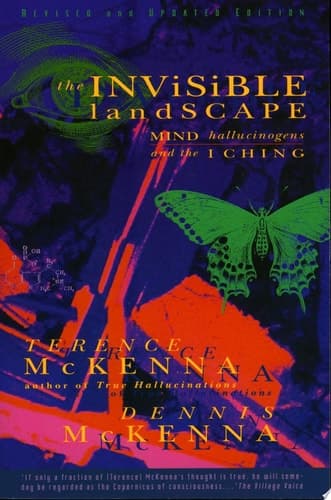
The Invisible Landscape Mind, Hallucinogens, and the I Ching
by Terence Mckenna
McKenna brings together ethnobotany, consciousness studies, and ancient divination systems with the same fearless interdisciplinary approach Hancock uses, but filtered through a more countercultural lens. He's asking similar questions about what ancient peoples understood that we've forgotten, but his methodology is more speculative and his conclusions more radical—if you found Hancock's synthesis exhilarating rather than reckless, McKenna will take you even further into that territory.
View bookAbout Graham Hancock
Biography coming soon.
View author page