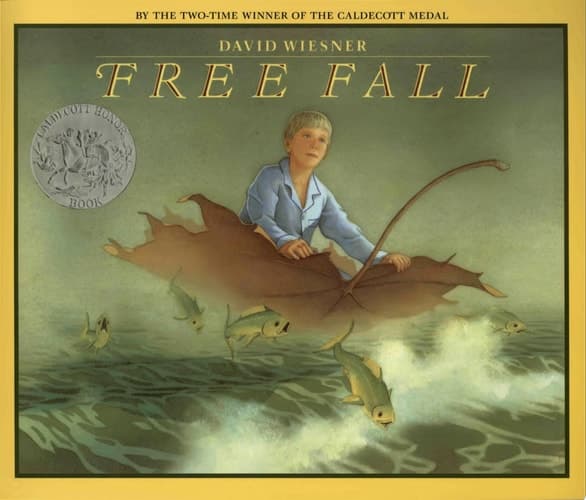
Synopsis
When he falls asleep with a book in his arms, a young boy dreams an amazing dream-about dragons, about castles, and about an unchartered, faraway land. And you can come along.
Recommendations
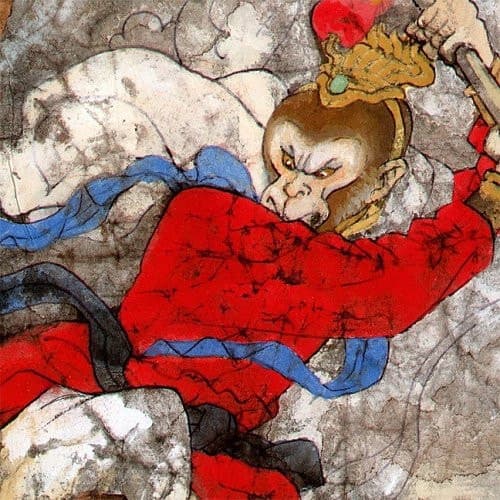
Monkey: A Superhero Tale of China, Retold from The Journey to the West
by Aaron Shepard
Like Wiesner, Becker creates entire worlds through wordless or nearly wordless narrative—but where Free Fall feels like a dream logic puzzle, Journey is a quest that unfolds through gorgeously detailed illustrations that reward close looking. You'll find yourself discovering new details on each page, much like following the boy's dream deeper into its own internal rules.
View book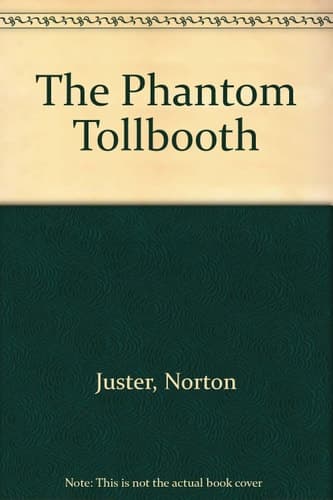
The Phantom Tollbooth
by Norton Juster
This 1961 novel shares Free Fall's sense that falling into a book is the gateway to adventure, but Juster's world operates on linguistic and mathematical logic puzzles rather than dream logic. The boy protagonist's journey through the Kingdoms of Wisdom has that same quality of impossible geography and encounters with strange characters that feel both whimsical and oddly instructive.
View book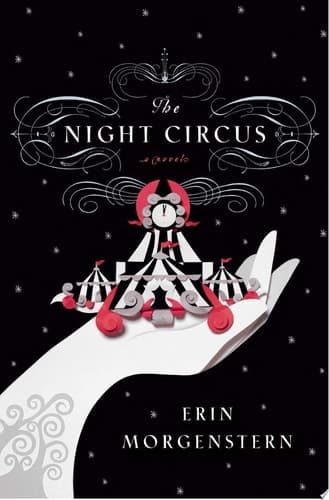
The Night Circus
by Erin Morgenstern
Here's the surprise pick: this is literary fiction with a magical competition at its heart, and it's structured almost like a dream itself—non-linear, atmospheric, more interested in mood and sensory detail than plot mechanics. Like Free Fall, it trusts readers to piece together what's happening from beautiful, sometimes surreal imagery rather than explicit explanation.
View book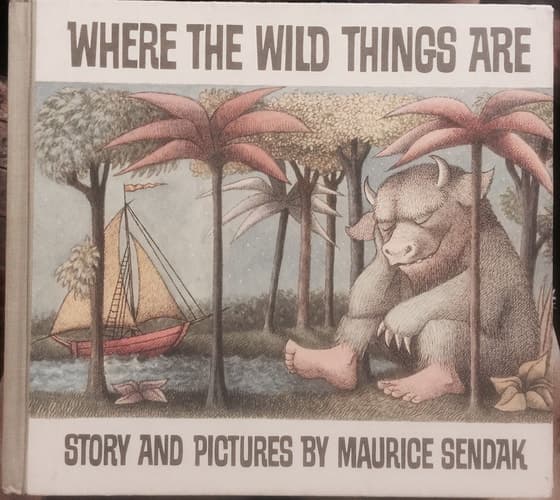
Where the Wild Things Are Holiday Feature Edition
by Maurice Sendak
Yes, it's shorter and simpler than Free Fall, but Sendak does something similar with the boundary between waking and dreaming—Max's journey into the forest feels both psychologically real and fantastically impossible. The illustrations grow larger and more elaborate as he ventures deeper, mirroring how Wiesner uses visual scale to show us moving into dream space.
View book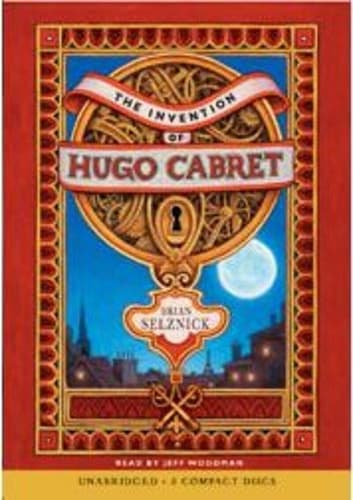
The Invention of Hugo Cabret
by Brian Selznick
Selznick combines pencil drawings with prose in a way that echoes Wiesner's visual storytelling, but adds another layer: the book itself becomes a puzzle-box, with illustrations that are essential to understanding the story. Like Free Fall, it plays with the idea that a book can be a portal—here, quite literally, as Hugo's story unfolds through both words and hundreds of pages of intricate drawings.
View bookAbout David Wiesner
D
David Wiesner
Born 1956
David Wiesner (born February 5, 1956) is an American illustrator and writer of children's books, known best for picture books including some that tell stories without words. As an illustrator he has won three Caldecott Medals recognizing the year's "most distinguished American picture book for children" and he was one of five finalists in 2008 for the biennial, international Hans Christian Andersen Award, the highest recognition available for creators of children's books. https://en.wikipedia.org/wiki/David_Wiesner
View author page