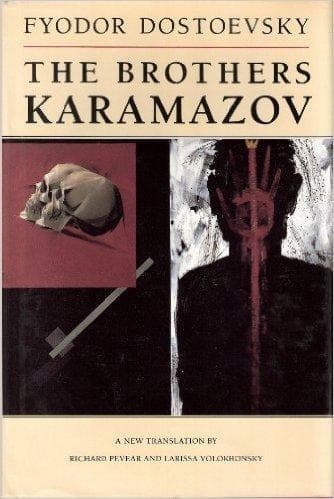
Fyodor Dostoevsky's the Brothers Karamazov (Bloom's Modern Critical Interpretations)
Unknown
Published1991
Pages190
FormatLibrary Binding
PublisherChelsea House Pub
Synopsis
Essays provide critical interpretations of Fyodor Dostoevsky's last novel, discussing Dostoevsky's portrayal of the world and his transcendental way of relating to it
Recommendations
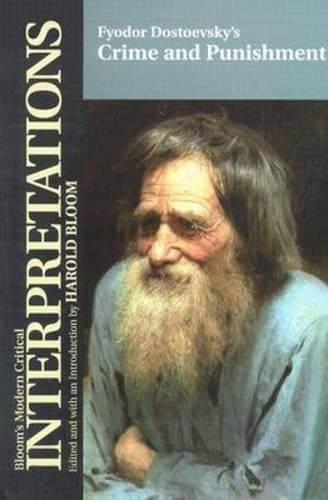
Fyodor Dostoevsky's Crime and Punishment
by Harold Bloom
Wait—I know what you're thinking. But hear me out: you've just finished a critical study of Dostoevsky's final masterwork, and Crime and Punishment is where his obsession with moral psychology and spiritual redemption truly crystallized. Reading it now will give you the genealogy of the themes that haunt The Brothers Karamazov, showing you how he refined his exploration of conscience, suffering, and transcendence across his career.
View book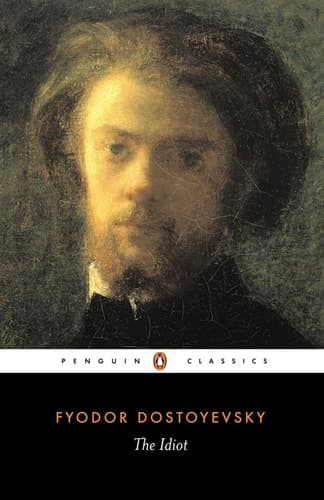
The Idiot
by Fyodor Dostoyevsky
Gogol shares Dostoevsky's fascination with the grotesque and the sacred existing in the same breath, but where Dostoevsky interrogates faith through doubt, Gogol interrogates it through absurdity and social satire. His protagonist's innocence colliding with St. Petersburg's corruption creates that same vertigo you felt reading about Ivan's rebellion—the sense that the world's logic might be fundamentally broken.
View book
The Apocalyptic Vision of Mikhail Bulgakov's the Master and Margarita (Studies in Slavic Language & Literature)
by Edward E. Ericson
Bulgakov takes Dostoevsky's preoccupation with good and evil, faith and doubt, and refracts it through Soviet-era magical realism—the Devil literally visits Moscow, and the narrative jumps between Stalinist present and Pontius Pilate's Jerusalem. It's what happens when you apply Dostoevskian moral seriousness to a world so absurd that only fantasy can capture its truth.
View book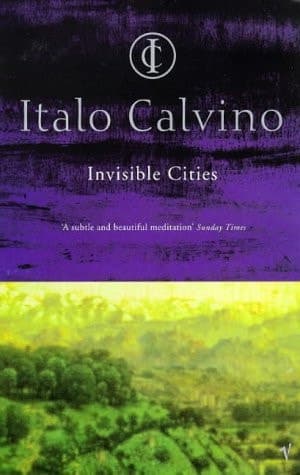
Invisible Cities
by Italo Calvino
This is your surprise recommendation: a slim, structurally playful novel that operates nothing like Dostoevsky on the surface, yet shares his deepest concern—how do we represent the invisible architecture of meaning? Marco Polo describes impossible cities to Kublai Khan, and through these descriptions, both men grapple with whether understanding reality is even possible. It's meditative where Dostoevsky is anguished, but equally profound.
View book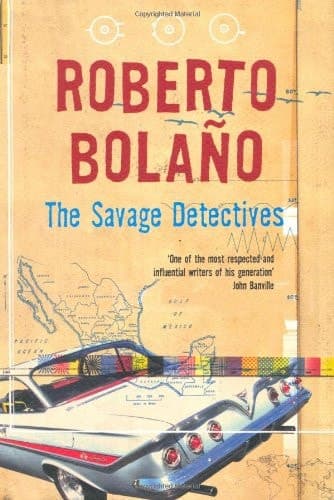
The Savage Detectives A Novel
by Roberto Bolaño
Published in 1998, this novel captures something Dostoevsky understood viscerally: that searching for truth—whether spiritual, artistic, or intellectual—can consume your entire life and leave you destroyed but somehow sanctified. Bolaño's two young poets chasing a reclusive writer across Mexico and Europe mirror the obsessive, self-annihilating quests that drive Dostoevsky's characters, but filtered through late-20th-century literary culture and existential wandering.
View bookAbout Unknown
U
Unknown
Biography coming soon.