
God: A Guide for the Perplexed
Keith WardPublished2002
Pages264
Formathardcover
PublisherOneworld Pubns Ltd
Synopsis
A comprehensive and humorous introduction to the mysteries of the divine reveals truths and ideas as presented in ancient Greek tales, by key philosophers, in modern film, and from other sources, citing societal influences on our knowledge and understanding of a higher force.
Recommendations

The Struggle for Life A Companion to William James's The Varieties of Religious Experience
by Donald Capps
James does what Ward does but from the opposite direction—instead of starting with philosophy and filtering down to human experience, he begins with actual accounts of religious encounters and builds toward meaning. You'll find the same intellectual playfulness about how we know what we know about the divine, but filtered through psychology and real testimonies rather than ancient texts.
View book
The Apocalyptic Vision of Mikhail Bulgakov's the Master and Margarita (Studies in Slavic Language & Literature)
by Edward E. Ericson
This is the surprise pick—it's a novel, not theology, but Bulgakov does something Ward would appreciate: he uses satire and storytelling (including a retelling of Pontius Pilate's encounter with Jesus) to explore faith, doubt, and what it means to believe in a world that seems designed to mock belief. The humor is darker and more surreal than Ward's, but the underlying question is identical.
View book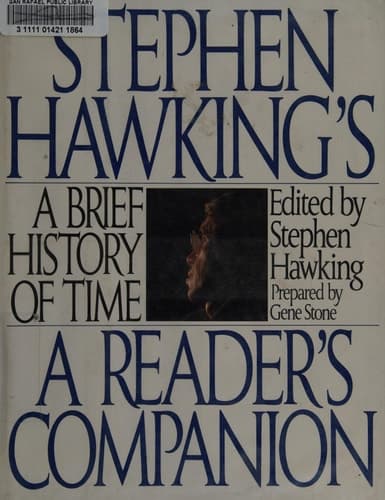
Stephen Hawking's A Brief History of Time A Reader's Companion
by Stephen Hawking
Where Ward shows how culture shapes our understanding of God, Hawking explores how physics does the same thing—and whether the question 'why is there something rather than nothing?' even makes sense once you understand spacetime. It's less about faith and more about the limits of human comprehension, but it's written with genuine wonder rather than dismissiveness.
View book
The Dialogues of Plato The Symposium
by Plato
Since Ward mines ancient Greek philosophy for insight, you might enjoy experiencing Plato directly—and this dialogue is far more entertaining than his reputation suggests. It's structured as a dinner party where characters debate the nature of love, and it has the same quality of watching intelligent people genuinely puzzle through something they can't quite pin down, which is exactly what makes Ward's book so engaging.
View book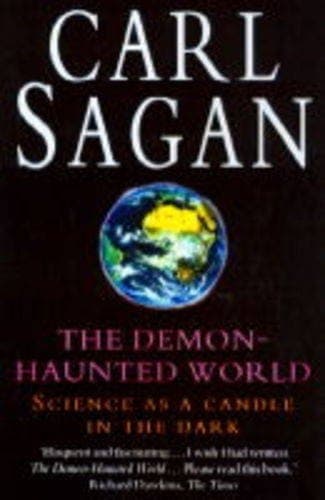
The Demon-haunted World Science as a Candle in the Dark
by Carl Sagan
Sagan shares Ward's gift for making intellectual inquiry feel conversational and even funny, but he's asking the inverse question: how do we distinguish genuine mystery from mere superstition? He's not arguing against God so much as arguing for intellectual rigor, and his skepticism is warm rather than sneering—you'll recognize the same respect for human longing that Ward shows throughout his book.
View bookAbout Keith Ward
Biography coming soon.
View author page