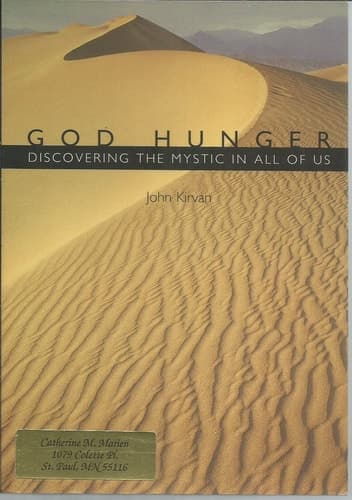
God Hunger Discovering the Mystic in All of Us
John KirvanPublished1999
Pages192
Formatpaperback
PublisherAve Maria Press
Synopsis
Combining the best of Christian, Jewish, and Islamic traditions, Kirvan explores the lives and writings of ten great mystics from Gregory of Nyssa in the 4th century to Thomas Merton today.
Recommendations
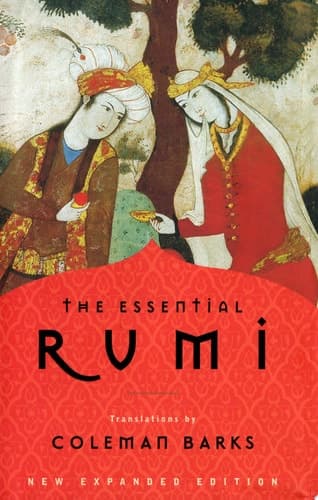
The Essential Rumi - reissue New Expanded Edition
by Coleman Barks
Since you appreciated Kirvan's weaving together of multiple faith traditions, you'll find Barks' translations of Rumi offer that same intoxicating blend of the sensual and the sacred—but here you're experiencing one mystic's voice across decades rather than surveying ten. The poetry itself becomes the spiritual practice, which feels like a natural deepening of what you've already discovered.
View book
The Cloud of Unknowing
by Anonymous
This 14th-century text is a surprise recommendation because it reads less like a book about mysticism and more like a mystical experience itself—the anonymous author is essentially coaching you through meditation in real time. Where Kirvan introduces you to mystics' lives, this medieval work puts you inside the actual practice of apophatic prayer, making it feel less like history and more like apprenticeship.
View book
The Struggle for Life A Companion to William James's The Varieties of Religious Experience
by Donald Capps
Published in 1902, this sits in a different era entirely, yet James does something Kirvan does beautifully—he treats mystical experience as psychologically real and worthy of serious study rather than dismissal. His case-study approach means you're reading firsthand accounts of ordinary people's encounters with the transcendent, which gives you a different angle on the same hunger Kirvan explores through the lives of saints.
View book
The Year of Magical Thinking A Play by Joan Didion Based on Her Memoir
by Joan Didion
This is the real curveball, but hear me out: Didion's account of grief and her search for meaning in loss operates with the same unflinching honesty about spiritual longing that Kirvan admires in his mystics. She's not writing theology, she's writing the raw experience of encountering the sacred (or its absence) in the most ordinary, devastating moment—it's mysticism stripped of all the language we usually use to discuss it.
View book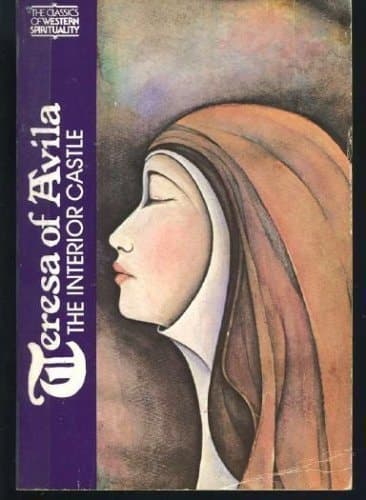
Teresa of Avila: The Interior Castle
by Kavanaugh
Teresa appears in many mystical surveys, but reading her own words—especially in Starr's luminous modern translation—is entirely different from encountering her through someone else's interpretation. She's mapping the interior landscape of prayer with the precision of a cartographer, and you'll find her voice is so direct and unsentimental that it feels like having a conversation with someone who actually knows what she's talking about.
View bookAbout John Kirvan
Biography coming soon.
View author page