
Synopsis
Provides a fictional account of the events that took place in Panama in the late 1980s that led to the capture of Panamanian leader Manuel Noriega
Recommendations
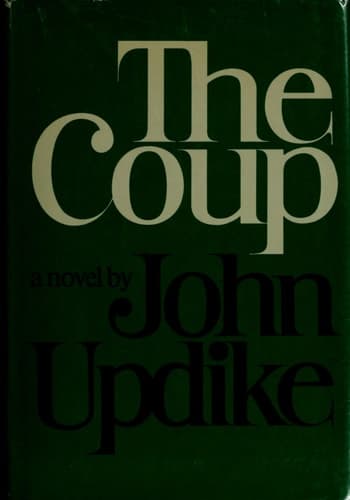
The Coup
by John Updike
Updike crafts a darkly comic novel about an American-educated dictator in a fictional African nation, giving you that same sharp-eyed examination of how power corrupts and how geopolitics plays out through individual ambition. Wright's journalistic precision finds its match here in Updike's ability to make the absurdity of authoritarian rule feel simultaneously tragic and ridiculous.
View book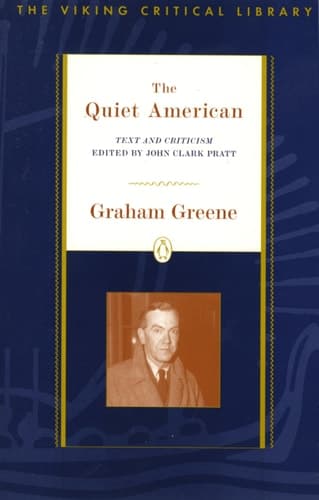
The Quiet American
by Graham Greene
Greene spent years reporting from Southeast Asia, and it shows—this 1955 novel has that same documentary-like quality Wright brings to Panama, but set during the French Indochina War. You'll recognize the same unflinching look at how American interventionism plays out on the ground, told through a narrator who's deeply embedded in a world of espionage and moral compromise.
View book
The Apocalyptic Vision of Mikhail Bulgakov's the Master and Margarita (Studies in Slavic Language & Literature)
by Edward E. Ericson
Here's your surprise pick: this Soviet-era novel weaves together a contemporary Moscow storyline with a retelling of Pontius Pilate's story, creating a layered meditation on power, corruption, and the impossibility of escaping history. While it's fantastical where Wright is grounded, both authors share an obsession with how individuals navigate systems larger than themselves, and Bulgakov's dark humor about totalitarian absurdity will feel familiar after Wright's portrait of Noriega.
View book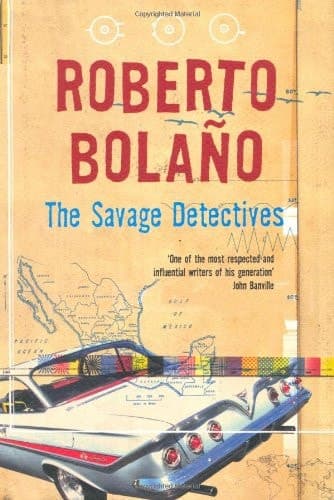
The Savage Detectives A Novel
by Roberto Bolaño
Bolaño's sprawling novel follows a group of poets through Mexico and beyond in the 1970s-80s, and while it's structurally experimental where Wright is straightforward, both writers share an obsession with capturing a specific historical moment through the lives of flawed, driven men. The Latin American setting and Bolaño's ability to make you feel the texture of a particular time and place will resonate strongly with what drew you to Wright.
View book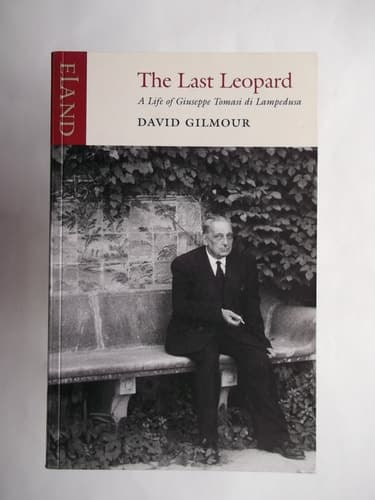
The Last Leopard: A Life of Giuseppe Tomasi di Lampedusa
by David Gilmour
Published in 1958 but set during Sicily's 1860 unification, this novel captures how a society transforms when old power structures collapse—much like Wright's Panama at the moment of Noriega's fall. Lampedusa writes with the same clear-eyed fatalism about inevitability, and his protagonist's struggle to maintain dignity as history sweeps past him echoes the human dimension Wright brings to geopolitical upheaval.
View bookAbout Lawrence Wright
L
Lawrence Wright
Born 1947
Biography coming soon.
View author page