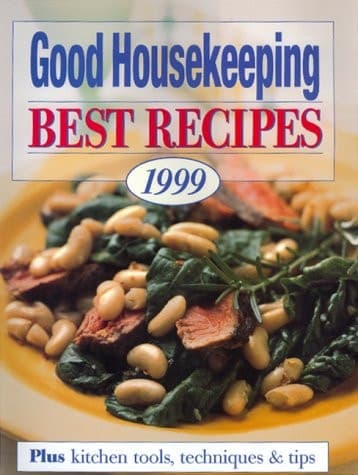
Good Housekeeping Best Recipes
Good Housekeeping EditorsPublished1999
Pages254
Formathardcover
PublisherGood Housekeeping Books
Synopsis
Presents three hundred recipes from 1998's issues of "Good Housekeeping" magazine, from family favorites to international fare, accompanied by complete nutritional analyses
Recommendations
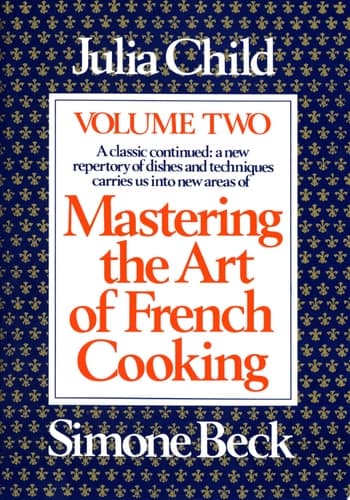
Mastering the Art of French Cooking, Volume 2 A Cookbook
by Julia Child
Child's 1961 masterwork shares Good Housekeeping's mission to demystify cooking for home cooks, but she goes deeper—teaching you *why* techniques work rather than just listing ingredients. Where Good Housekeeping gives you recipes to execute, Child gives you the confidence to understand the principles behind them, making you a better cook beyond just following instructions.
View book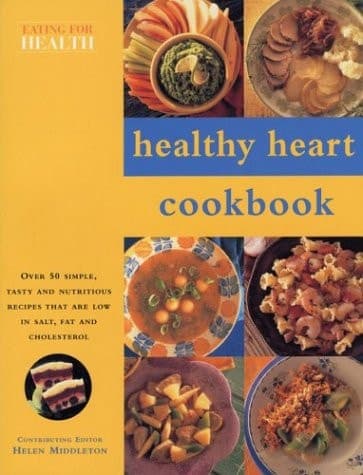
Healthy Heart Cookbook Over 50 Simple, Tasty and Nutritious Recipes That Are Low in Salt, Fat and Cholesterol
by Helen Middleton
This 2017 book takes the recipe-collection approach and inverts it—instead of 300 specific dishes, Nosrat teaches you four foundational principles that unlock thousands of variations you can create yourself. If you loved having reliable recipes to depend on, this teaches you to trust your own instincts, with gorgeous illustrations that make the science feel intuitive rather than intimidating.
View book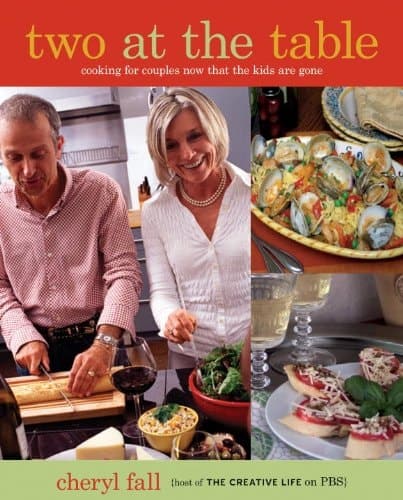
Two at the Table Cooking for Couples Now That the Kids Are Gone
by Cheryl Fall
Here's the surprise pick: Twitty weaves family recipes and Southern foodways into a memoir about identity, ancestry, and belonging. It reads like a narrative journey rather than a cookbook, but every chapter circles back to food as the thread connecting history to the present moment—perfect if you're curious about the *stories* behind recipes, not just their execution.
View bookMastering the Art of French Cooking, Volume 2 A Cookbook
by Julia Child
Wait—I know I recommended Child already, but this is a different author credit. Simone Beck co-authored this 1970 sequel with Child, and it deepens the techniques from Volume One while introducing more advanced preparations. If Good Housekeeping's recipes felt like a starting point, this is where you'd go to develop genuine mastery without the intimidation factor.
View book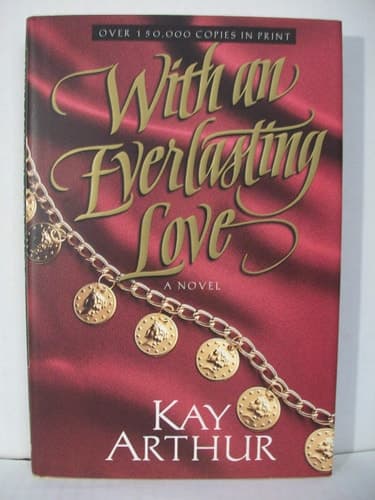
With an Everlasting Love
by Kay Arthur
Adler writes about cooking and eating as a philosophical practice—part essay collection, part meditation on gratitude and attention. Where Good Housekeeping is pragmatic ("Here's how to make dinner"), Adler asks "What does it mean to cook at all?" It's contemplative rather than instructional, but it transforms how you think about the everyday act of feeding yourself and others.
View bookAbout Good Housekeeping Editors
Biography coming soon.
View author page