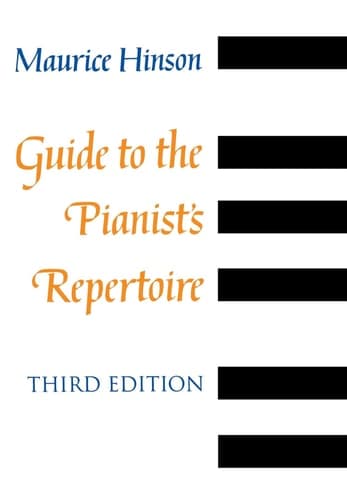
Guide to the Pianist’s Repertoire, third edition
Maurice HinsonPublished2001
Pages976
Formathardcover
PublisherIndiana University Press
Synopsis
"The Hinson" has been indispensable for performers, teachers, and students. Now updated and expanded, it's better than ever, with 120 more composers, expertly guiding pianists to solo literature and answering the vital questions: What's available? How difficult is it? What are its special features? How does one reach the publisher?
The "new Hinson" includes solo compositions of nearly 2,000 composers, with biographical sketches of major composers. Every entry offers description, publisher, number of pages, performance time, style and characteristics, and level of difficulty. Extensively revised, this new edition is destined to become a trusted guide for years to come.
Recommendations
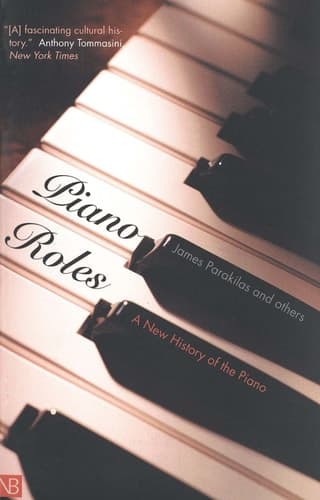
Piano Roles A New History of the Piano
by James Parakilas
Since you've clearly spent time with Hinson's comprehensive reference work, you'll appreciate Parakilas's narrative approach to the same world—he traces how the piano itself evolved alongside the repertoire you've been studying, showing why certain pieces demand certain technical innovations. It's like reading the biography behind every entry in your guide.
View book
The Art of Piano Playing
by Genrikh Gustavovich Neĭgauz
Neuhaus was a legendary Soviet pedagogue, and this 1973 classic bridges the gap between knowing what pieces exist (Hinson's domain) and understanding how to actually inhabit them—he discusses interpretation, technique, and the philosophical relationship between performer and score in ways that'll deepen how you approach the repertoire you're discovering.
View book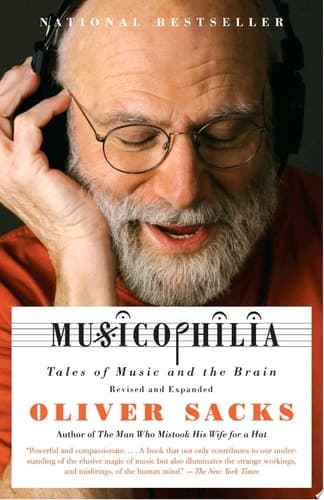
Musicophilia Tales of Music and the Brain
by Oliver Sacks
Here's your surprise pick: Sacks explores what happens in the brain when we encounter music, including case studies of pianists and musicians who've experienced neurological changes. It won't tell you which Rachmaninoff concerto to learn next, but it'll give you a completely different lens for understanding why certain pieces in Hinson's guide have endured and what they're actually doing to listeners.
View book
The Oxford Companion to Irish History
by Sean J. Connolly
Think of this as Hinson's more conversational cousin—where Hinson gives you the facts and figures efficiently, Palmieri lingers on context, anecdotes, and the stories behind major works and composers. You'll find yourself reading entries about pieces you've already looked up in Hinson, but discovering entirely new dimensions to them.
View book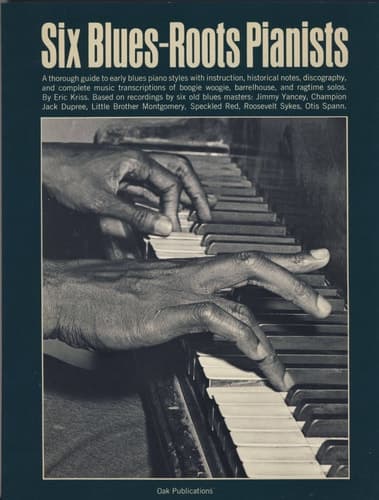
Six Blues-Roots Pianists: A Thorough Guide to Early Blues Piano Stylees with Instructions, Historical Notes, Discobraphy, & Complete Music Transcriptions of Boogie Woogie, Barrelhouse, & Ragtime Solos
by Eric Kriss
Tawada's novella follows a pianist grappling with aging hands and the gap between what she knows she should play and what her body can execute—it's a literary meditation on the very tension between repertoire knowledge and physical reality that every pianist in Hinson's guide eventually confronts. Spare, haunting, and it'll make you think differently about every technical difficulty rating you read.
View bookAbout Maurice Hinson
Biography coming soon.
View author page