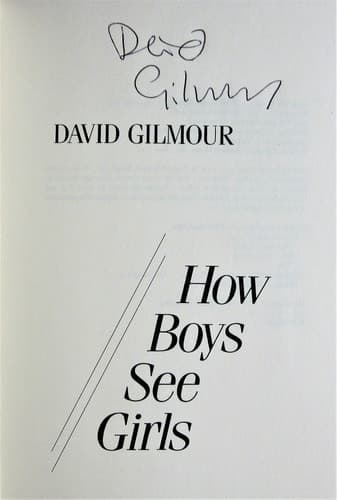
Synopsis
Bix has it all: a failed marriage, a faltering career as a speechwriter, a drinking problem (not to mention the pills) and a wayward eye for the women. The last thing he needs is trouble named Holly, which is, of course, exactly what he gets--briefly. His only assets are his daughter Zoey and an excruciating (and excruciatingly funny) sense of who he is, which becomes his path to redemption from the erotic rollercoaster that is this impressive and un-put-downable novel.
David Gilmour's first novel, Back on Tuesday, garnered critical acclaim from such diverse critics as William Burroughs and Northroup Frye, and was published both in Canada and the United States. David works at the CBC where he is a film critic for "The Journal."
Recommendations

The Pickup
by Nadine Gordimer
Gordimer captures that same sharp, unflinching observation of desire and self-deception that Gilmour nails in Bix, but she does it across a collision of cultures and class. The male narrator's inability to see the woman he's with clearly—beyond his own projections—echoes Bix's wayward eye, except Gordimer makes you feel the cost of that blindness in ways that are quietly devastating rather than darkly comic.
View book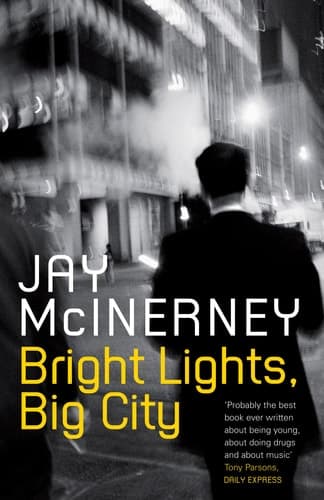
Bright Lights, Big City
by Jay McInerney
McInerney writes about a man in freefall through Manhattan's nightlife with the same gallows humor and brutal honesty about addiction that Gilmour brings to Bix—except McInerney's second-person narration makes you complicit in the protagonist's spiral. Both novels use wit as a defense mechanism, but McInerney's New York setting and the 1984 publication give you a different era's version of the same moral reckoning.
View book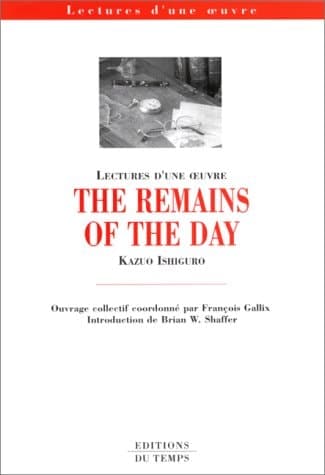
The remains of the day de Kazuo Ishiguro
by Gallix/François
Here's the surprise: Ishiguro's butler Stevens is Bix's spiritual opposite—where Bix is excruciatingly aware of his failings, Stevens is excruciatingly *unaware* of his. But both men are narrating their own slow-motion catastrophes with a kind of controlled eloquence that makes you ache for them. The way Ishiguro reveals what Stevens has sacrificed mirrors how Gilmour peels back Bix's defenses, layer by layer.
View book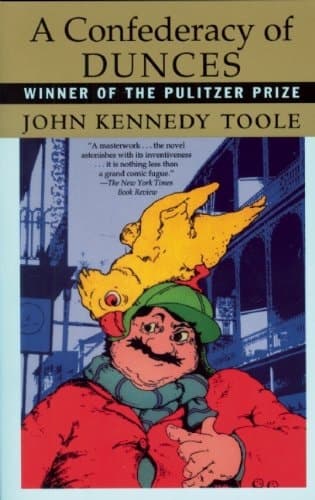
A Confederacy of Dunces
by John Kennedy Toole
Toole's Ignatius Reilly is another deeply flawed man stumbling through relationships and work, but where Gilmour's Bix has self-awareness as his only redemption, Ignatius has almost none—and that's the joke. Both novels are funny in that uncomfortable way where you're laughing at a man's catastrophic choices, but the humor never lets you off the hook from caring about him anyway.
View bookAbout David Gilmour
D
David Gilmour
Born 1952
Biography coming soon.
View author page