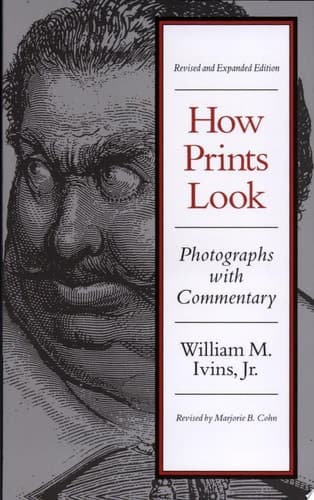
How Prints Look Photographs with Commentary
William Mills IvinsPublished1987
Pages188
Formatpaperback
PublisherBeacon Press
Synopsis
This unique book is the classic introduction to appearances of various types of prints and the techniques involved in producing them. Combining a rich selection of illustrations with explanatory commentary, the revised edition also includes a new introduction, additional illustrations, and a bibliography.
Recommendations
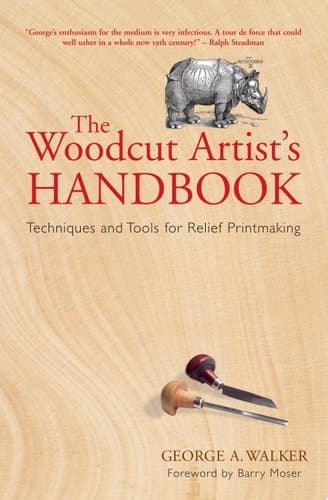
The Woodcut Artist's Handbook Techniques and Tools for Relief Printmaking
by George Alexander Walker
Hind takes the same forensic, almost detective-like approach to woodcut techniques that Ivins brings to prints generally—but he goes deeper into a single medium, examining how the physical act of carving wood creates distinct visual signatures. If you loved Ivins's ability to make you *see* the mechanics behind what appears on the page, this book will have you examining every line of a woodcut like you're reading handwriting.
View book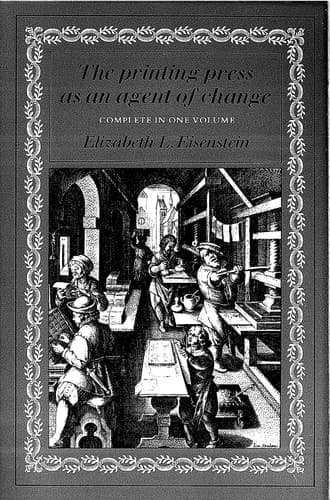
The Printing Press as an Agent of Change
by Elizabeth L. Eisenstein
Rather than focusing on how prints look, Eisenstein explores what printing *did*—how the technology fundamentally altered human knowledge and society. It's the conceptual companion to Ivins: where he teaches you to read the visual language of prints, she teaches you to read their historical impact, and the two together create a complete picture of why printmaking mattered.
View book
Simians, Cyborgs, and Women The Reinvention of Nature
by Donna Jeanne Haraway
Here's the surprise: Wulf's biography is saturated with descriptions of Humboldt's scientific illustrations and how he used visual representation to communicate complex ideas about interconnected systems. It's a narrative book, not a technical manual, but if you appreciated Ivins's insight that *how* something is printed shapes what it can say, you'll find Humboldt's life story is essentially about a man obsessed with that same question.
View book
Painted Prayers The Book of Hours in Medieval and Renaissance Art
by Roger S. Wieck
Pettegree writes about the physical book as a technology and cultural object—how paper quality, typeface choices, and layout decisions shaped what Renaissance readers could understand and believe. He's working in the same territory as Ivins but with a wider lens, examining how every material choice in book production was a choice about meaning.
View book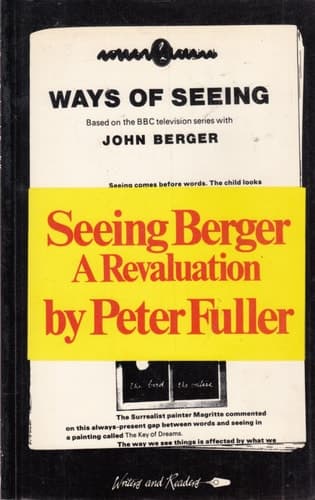
Seeing Berger: A Reevaluation of Ways of Seeing
by Peter Fuller (John Berger)
Berger's essays emerged from his BBC series and operate almost like visual arguments—he's teaching you to look at images (paintings, photographs, advertisements) the way Ivins teaches you to look at prints: as constructed objects with intentional techniques, not transparent windows onto reality. The writing is more philosophical than technical, but the core mission is identical: making visible the invisible choices that shape what we see.
View bookAbout William Mills Ivins
Biography coming soon.
View author page