Synopsis
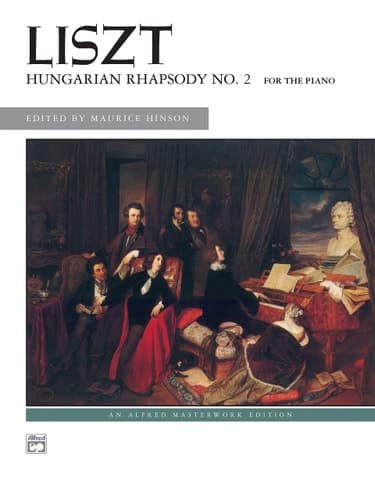
Maurice Hinson's Masterwork Edition of Liszt's perhaps best-known Hungarian Rhapsody contains historic information and performance notes, as well as alternate cadenzas and ossia notations.
Recommendations
The Art of Piano Playing
by Genrikh Gustavovich Neĭgauz
Since you've engaged with Hinson's performance notes and interpretive guidance, Neuhaus offers something deeper—a Soviet-era master's philosophy on how pianists actually *think* through technically demanding pieces. Where Hinson gives you the map, Neuhaus teaches you to read the terrain, with specific insights into the psychological approach needed for virtuosic works like the Hungarian Rhapsody.
View book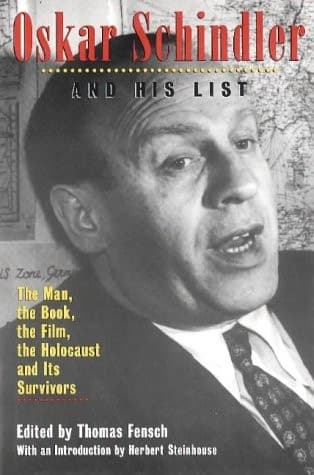
Oskar Schindler and His List: The Man, the Book, the Film, the Holocaust and Its Survivors
by Thomas Fensch
This is the biographical deep-dive that contextualizes why Liszt wrote what he wrote. Walker's three-volume work (this is the accessible single volume) reveals the Hungarian nationalism, virtuosic showmanship, and romantic turbulence behind the Rhapsody—you'll never hear those cadenzas the same way once you understand Liszt's life was as dramatic as his music.
View book
The Rest Is Noise Listening to the Twentieth Century
by Alex Ross
Here's your surprise pick: a music history that reads like narrative nonfiction rather than textbook. Ross traces how composers after Liszt grappled with his legacy of virtuosity and nationalism—you'll see the Hungarian Rhapsody as a pivotal moment where Romanticism reaches its peak, right before everything splinters into modernism. It's history written for people who love music, not just scholars.
View book
Marsigli's Europe, 1680-1730 The Life and Times of Luigi Ferdinando Marsigli, Soldier and Virtuoso
by John Stoye
Paganini was Liszt's spiritual predecessor—the violinist who made audiences believe the instrument was possessed. Homans writes with the precision of a dancer (she was one) about how Paganini's technical innovations directly inspired Liszt's approach to the piano. It's a portrait of virtuosity as both art and obsession, published in 2022 so it brings fresh scholarship to an old story.
View book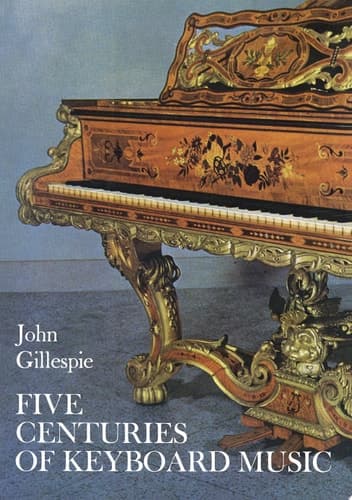
Five Centuries of Keyboard Music An Historical Survey of Music for Harpsichord and Piano
by John Gillespie
A more technical but rewarding exploration of how keyboard works—from harpsichord through modern piano—shaped what composers could write. Understanding the instrument's evolution helps you appreciate why Hinson's ossia notations exist (alternative fingerings for different piano actions) and why the Hungarian Rhapsody demands such specific technical knowledge from its performers.
View bookAbout Maurice Hinson
Biography coming soon.
View author page