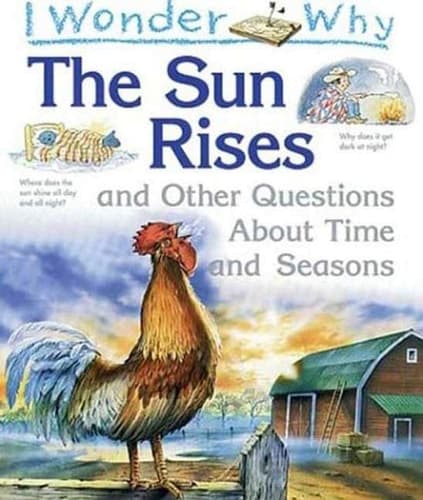
I Wonder Why the Sun Rises And Other Questions About Time and Seasons
Barbara TaylorPublished1996
Pages32
Formathardcover
PublisherKingfisher
Synopsis
Browsers and young students alike will enjoy these lively question and answer books with their unique mix of realistic illustration and engaging cartoons. The enticing questions will amaze, amuse and inspire, while the highly visual format encourages kids to keep reading.
Recommendations
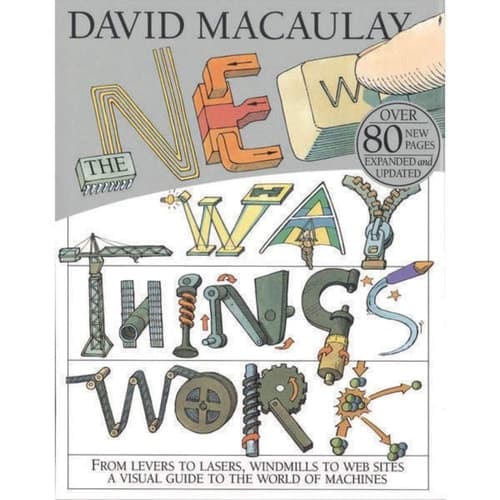
The New Way Things Work
by David Macaulay
Macaulay uses the same question-driven curiosity as Taylor, but channels it through wonderfully detailed illustrations that make physics tangible rather than abstract. Where Taylor asks "Why does the sun rise?", Macaulay asks "How do pulleys actually work?" and answers with humor and visual clarity that makes you want to understand the mechanics of everyday life.
View book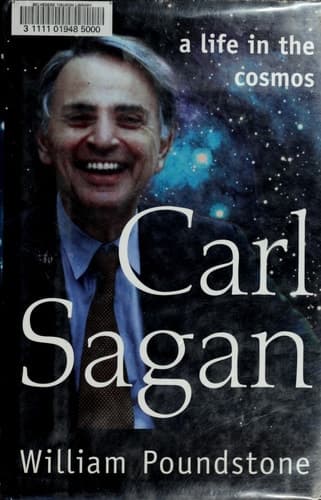
Carl Sagan A Life in the Cosmos
by William Poundstone
Published in 1980, this is a different era entirely from Taylor's 1996 work, but it shares that same sense of wonder about natural phenomena—except Sagan writes for slightly older readers with poetic language that treats big questions about time and the universe as genuinely profound. If Taylor made you curious about seasons, Sagan will make you feel small and amazed in the best possible way.
View book
Simians, Cyborgs, and Women The Reinvention of Nature
by Donna Jeanne Haraway
Here's your surprise pick: this is narrative biography, not a Q&A book, but it's fundamentally about someone who asked the same kinds of questions Taylor poses—why do plants grow differently at different altitudes? Why do seasons vary across landscapes?—and then actually traveled the world investigating. Wulf writes with infectious enthusiasm that makes scientific curiosity feel like adventure.
View book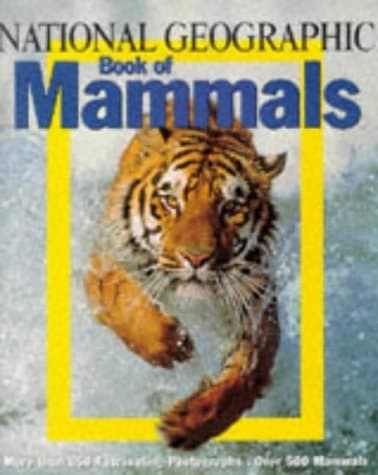
National Geographic Book of Mammals
by National Geographic Society
This maintains Taylor's exact format—visual, question-focused, engaging cartoons alongside photography—but expands the scope beyond just time and seasons to cover animals, weather, and the human body. It's the natural next step if you loved the *format* of Taylor's approach and want to keep exploring with that same visual-first, curiosity-driven style.
View book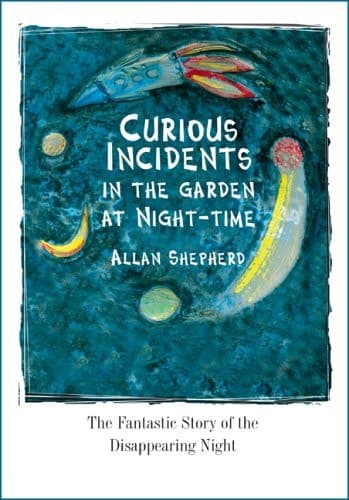
Curious Incidents in the Garden at Night-time The Fantastic Story of the Disappearing Night
by Allan Shepherd
While this is a picture book rather than pure non-fiction, it's built on the same principle as Taylor's work: observing how nature changes with seasons and asking what happens when you interact with those natural cycles. Brown's illustrations have that same engaging mix of realism and whimsy, and the story quietly teaches ecology and cause-and-effect thinking without ever feeling like a lesson.
View bookAbout Barbara Taylor
B
Barbara Taylor
Born 1954
Biography coming soon.
View author page