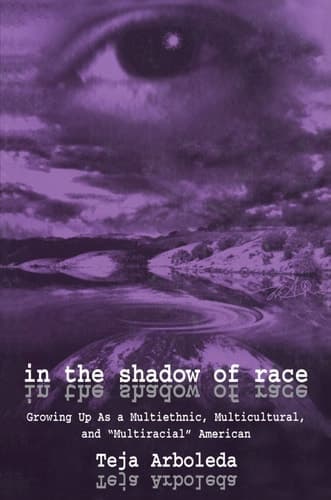
In the Shadow of Race: Growing Up As A Multiethnic, Multicultural, and "Multiracial" American
Teja ArboledaPublished1998
Pages282
Formatpaperback
PublisherRoutledge
Synopsis
Autobiography of a multiethnic, multiracial, multicultural American. Volume will be accompanied by a study guide to help instructors use the book as a text for a range of courses.
Recommendations
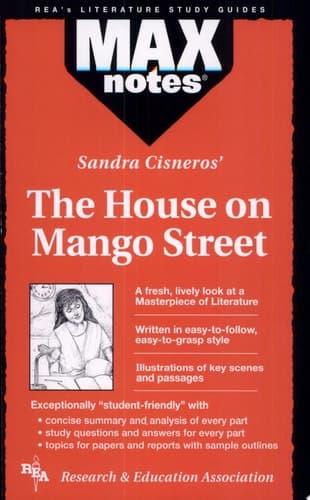
Sandra Cisneros' The House on Mango Street
by Elizabeth L. Chesla
Like Arboleda, Cisneros writes in lyrical, fragmented vignettes that capture the experience of existing between worlds—in her case, between childhood and adulthood, poverty and aspiration, Mexican heritage and American identity. Both authors use intimate, poetic language to articulate what it feels like when your sense of self doesn't fit neatly into predetermined boxes.
View book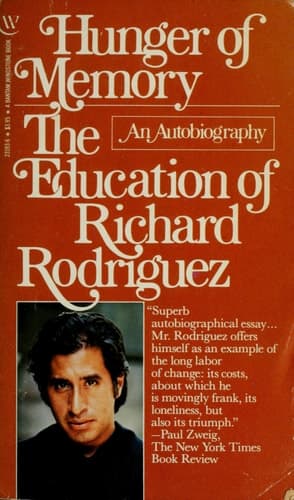
Hunger of Memory: The Education of Richard Rodriguez
by Richard Rodriguez
Rodriguez grapples with similar questions about assimilation, belonging, and the cost of education in shaping identity, but from a distinctly different perspective—his is a meditation on losing Spanish fluency and what that loss means. Reading these two side-by-side creates a fascinating dialogue about how different multiethnic Americans navigate the same fundamental tensions.
View book
The Namesake
by Jhumpa Lahiri
Lahiri traces how a single name carries the weight of cultural inheritance across generations and continents, exploring what happens when you're caught between your parents' world and the one you're actually living in. Where Arboleda examines the fluidity of multiple identities simultaneously, Lahiri examines the friction and eventual reconciliation between them.
View book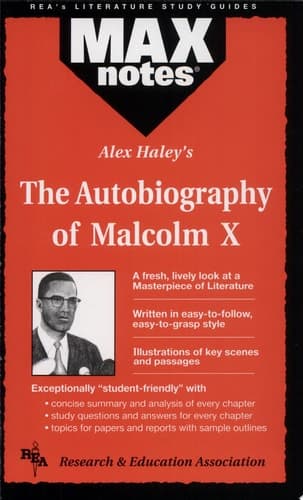
Alex Haley's The Autobiography of Malcolm X
by Anita J. Aboulafia
Here's your surprise pick: this 1965 classic is essential reading alongside Arboleda's work because it shows how identity itself can be a deliberate, political act of self-creation and reinvention. Malcolm X's journey through multiple selves—from Malcolm Little to Detroit Red to Malcolm X to el-Hajj Malik el-Shabazz—offers a radically different framework for understanding multiethnic identity as something you *choose* and *claim*, not just inherit.
View book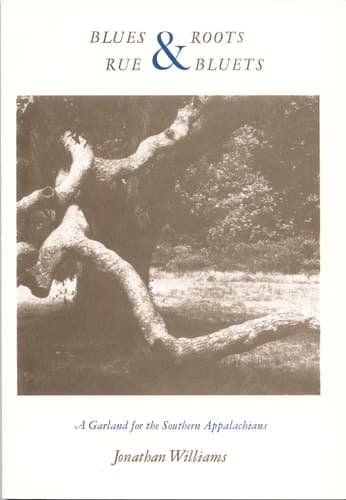
Blues and Roots/Rue and Bluets A Garland for the Southern Appalachians
by Jonathan Williams
Nelson's fragmented, essayistic meditation on color, loss, and desire uses a completely different formal approach—numbered fragments, art history, philosophy—but shares Arboleda's commitment to capturing the texture of lived experience that doesn't conform to traditional narrative. Both writers refuse to simplify or resolve their subjects, instead honoring the complexity of existing in multiple registers at once.
View bookAbout Teja Arboleda
Biography coming soon.
View author page