
International Book of Lofts
Suzanne SlesinPublished1986
Pages256
Formathardcover
PublisherClarkson Potter
Synopsis
A visual feast--the most stunning and creative residential lofts, from the cozily traditional to the rigorously avant-garde, from New York to Milan, L.A. to Berlin. More than 370 full-color photographs; 15 architectural drawings.
Recommendations
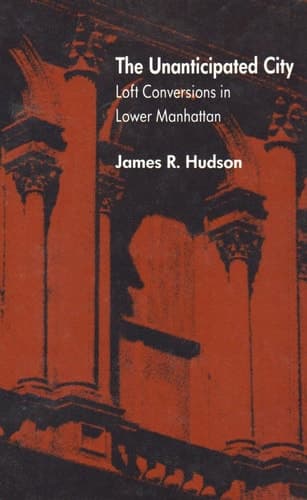
The Unanticipated City: Loft Conversions in Lower Manhattan
by James R. Hudson
Nicolin approaches loft living with the same visual anthropology as Slesin, but focuses specifically on how industrial spaces transform urban culture—you'll see the same gorgeous photography married to deeper analysis of why these conversions matter to cities themselves. Published in the 1990s, it extends the conversation Slesin started into questions about preservation and gentrification.
View book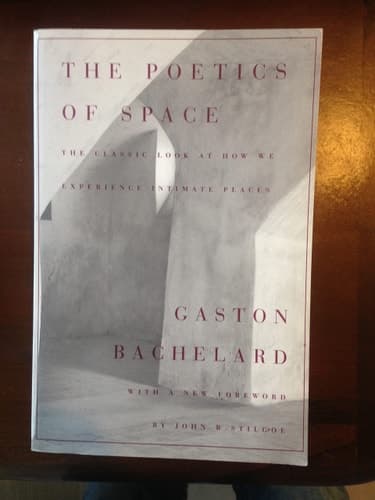
The Poetics of Space
by Gaston Bachelard
Here's the philosophical backbone that explains *why* we're drawn to the spaces Slesin photographs. Bachelard writes about how corners, staircases, and intimate rooms shape our inner lives—it's the thinking person's companion to visual design books, turning aesthetic appreciation into genuine insight about how architecture speaks to us emotionally.
View book
The Maple Sugar Book Together with Remarks on Pioneering as a Way of Living in the Twentieth Century
by Helen Nearing
Rybczynski writes about domestic comfort with the eye of someone who understands both history and design—he'd appreciate Slesin's lofts as a modern expression of an ancient human need. His essays move between personal observation and cultural history in ways that make you see the photographs you're looking at through a richer lens.
View book
Extreme Hotels
by Birgit Krols
Sudjic takes the avant-garde end of Slesin's spectrum and runs with it—these aren't homes but experimental spaces designed by architects pushing boundaries. The photography is equally sumptuous, but the buildings themselves are more provocative, which makes it perfect if you found yourself drawn to the 'rigorously avant-garde' lofts rather than the traditional ones.
View book
Judy Garland The Secret Life of an American Legend
by David Shipman
This is the outlier, but bear with me: Lorr investigates how spaces—warehouses, farms, stores—shape invisible systems and human lives. If what captivated you about Slesin's book was seeing how people *actually live* in these spaces, Lorr does something similar by revealing the hidden architecture of systems we take for granted. It's design thinking applied to infrastructure.
View bookAbout Suzanne Slesin
Biography coming soon.
View author page