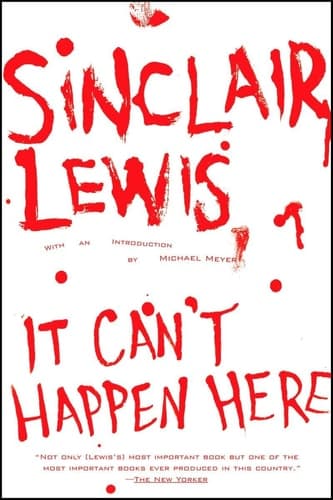
Synopsis
“The novel that foreshadowed Donald Trump’s authoritarian appeal.”—Salon
It Can’t Happen Here is the only one of Sinclair Lewis’s later novels to match the power of Main Street, Babbitt, and Arrowsmith. A cautionary tale about the fragility of democracy, it is an alarming, eerily timeless look at how fascism could take hold in America.
Written during the Great Depression, when the country was largely oblivious to Hitler’s aggression, it juxtaposes sharp political satire with the chillingly realistic rise of a president who becomes a dictator to save the nation from welfare cheats, sex, crime, and a liberal press.
Called “a message to thinking Americans” by the Springfield Republican when it was published in 1935, It Can’t Happen Here is a shockingly prescient novel that remains as fresh and contemporary as today’s news.
Recommendations
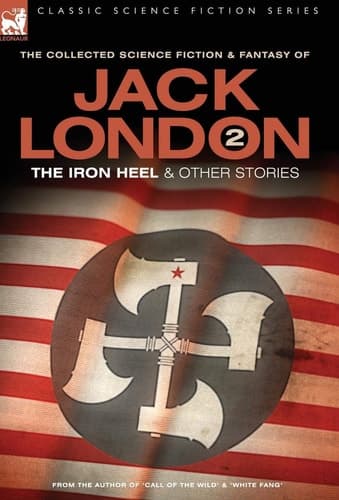
Jack London 2 - The Iron Heel and Other Stories
by Jack London
London wrote this dystopian novel in 1908, making it even more prescient than Lewis—he imagined an oligarchic tyranny rising through economic manipulation rather than populist demagoguery. Where Lewis shows us a demagogue seizing power through charisma and fear, London shows us the machinery of power consolidating invisibly, which creates an almost more unsettling portrait of authoritarianism's mechanics.
View book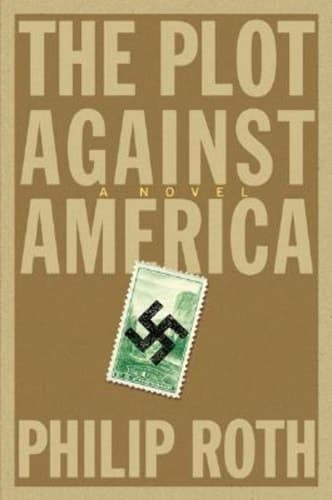
The Plot Against America
by Philip Roth
Roth does for the 1940s what Lewis did for the 1930s—he imagines a plausible alternate history where an American hero becomes a fascist president, but he grounds it in intimate family life rather than grand political theater. His approach is more novelistic and psychologically complex; you'll see how authoritarianism doesn't just change governments, it poisons the relationships between people who love each other.
View book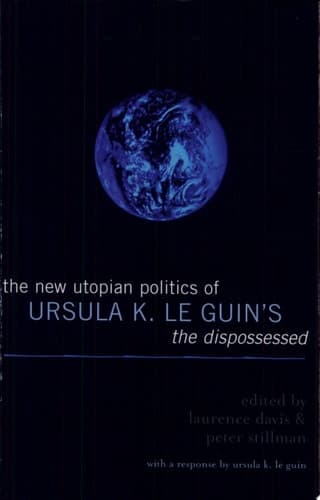
The New Utopian Politics of Ursula K. Le Guin's The Dispossessed
by Laurence Davis
Here's your genre surprise: Le Guin's science fiction novel is actually a rigorous political thought-experiment about competing ideologies—anarchism versus capitalism—told through a physicist moving between two worlds. If you appreciated Lewis's ability to make political systems feel concrete and lived-in rather than abstract, Le Guin does this by literally splitting her world in two, forcing you to see both systems' contradictions and appeals without easy answers.
View book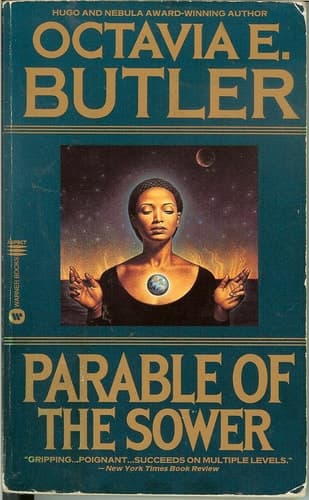
Parable of the Sower
by Octavia E. Butler
Butler writes from 1993 about a near-future America fragmenting under climate collapse and inequality—not through a single dictator but through the slow erosion of institutions and the rise of warlords and corporate power. Her vision is darker than Lewis's in some ways because there's no clear villain to oppose, just systemic failure, and her protagonist must build something new rather than simply resist.
View book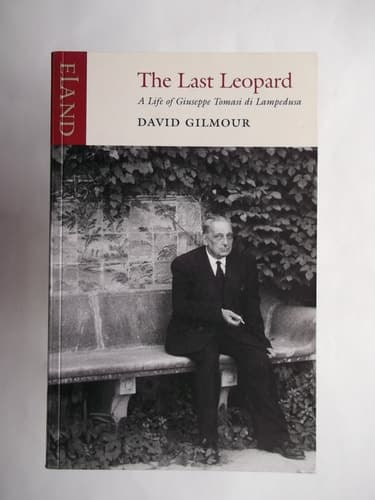
The Last Leopard: A Life of Giuseppe Tomasi di Lampedusa
by David Gilmour
A completely different approach to political upheaval: Lampedusa's 1958 novel watches Italian aristocracy navigate the Risorgimento through the eyes of a man who understands that everything will change and nothing will change. It's a meditation on how power actually transfers in societies, with a philosophical resignation that contrasts beautifully with Lewis's urgent alarm—you'll see how different temperaments respond to the same fundamental threat.
View bookAbout Sinclair Lewis
S
Sinclair Lewis
1885–1951
American novelist, short-story writer, and playwright
View author page