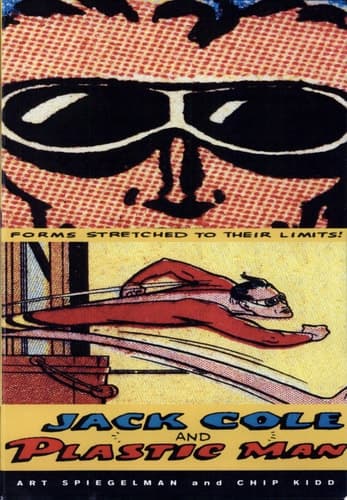
Jack Cole and Plastic Man Forms Stretched to Their Limits
Art SpiegelmanPublished2001
Pages144
Formatpaperback
PublisherChronicle Books
Synopsis
Pulitzer Prize-winning writer and illustrator Art Spiegelman joins forces with designer Chip Kidd to pay homage to the comic book hero Plastic Man and his creator, Jack Cole. Plastic Man is more than just a putty face--with his bad-boy past, he literally embodies the comic book form: the exuberant energy, flexibility, boyishness, and subtle hints of sexuality. And as cartoonists "become" each character they create, it can be said that Jack Cole himself resembles Plastic Man. Cole revealed the true magnitude and intensity of his imagination and inner thoughts as Plastic Man slithered from panel to panel--shifting forms and dashing from male to female, or freely morphing from a stiff upright figure to a being as soft as a Dali clock. With a compelling history, a V-necked red rubber leotard, a black-and-yellow striped belt, and very cool tinted goggles, Plastic Man is truly a cult classic, and this art-packed book will delight any fan.
Recommendations
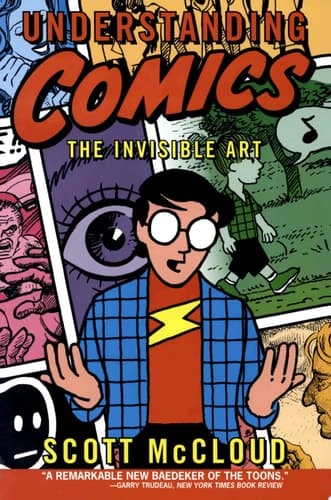
Understanding Comics
by Scott McCloud
McCloud does for comic theory what Spiegelman does for comic history—he's obsessed with how the *form itself* creates meaning. Where Spiegelman celebrates Cole's visual inventiveness, McCloud teaches you to see why those stretched panels and morphing bodies work on your brain the way they do. You'll find yourself re-reading both books together, each one illuminating the other.
View book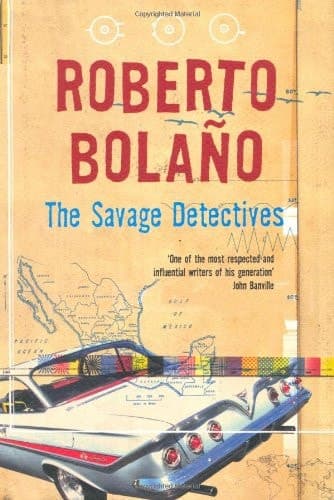
The Savage Detectives A Novel
by Roberto Bolaño
This is the curveball, but hear me out: both books are obsessed with tracking the *life* of an artist through their work, and both use wildly experimental structures to do it. Where Spiegelman traces Cole through Plastic Man's mutations, Bolaño traces a poet through the testimonies of everyone who knew him. The energy is completely different—Bolaño's is melancholic and sprawling—but that same detective-work-as-love-letter feeling runs through both.
View book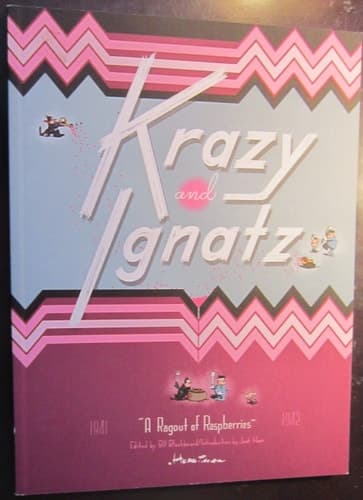
Krazy & Ignatz "a Ragout of Raspberries" : Culling Together the Complete Full-page Comic Strips, with Addenda, 1941-42
by George Herriman
If you loved Spiegelman's argument that Plastic Man *is* Jack Cole—that the character's fluidity and gender-bending reflects the creator's inner life—you need to sit with Herriman's Krazy Kat, which does something even stranger: a cartoon cat whose gender shifts casually, whose logic is dreamlike and sexual, whose world operates on pure visual poetry. Herriman was doing in the 1920s what Cole did in the 1940s, and Spiegelman clearly sees them as kindred spirits.
View book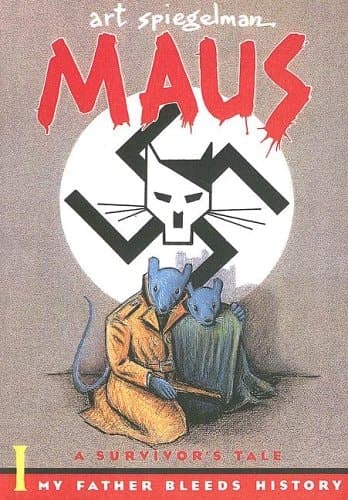
The Complete Maus A Survivor's Tale
by Art Spiegelman
I know—but if you haven't read it, this is the moment. The Cole book shows you how Spiegelman thinks about form and biography; Maus shows you what happens when he applies that obsession to something devastating and true. The way he uses the comic medium to explore his relationship with his father mirrors his fascination with Cole's relationship to Plastic Man—both are about how artists pour themselves into their creations, and what we can recover from that.
View book
Geist in Stein Lebensbilder einer Kathedrale : der Regensburger Dom
by Touhami Ennadre
Chabon's novel imagines two Golden Age comic book creators meeting decades later, and it captures that same reverence for the form that Spiegelman brings to Cole—the sense that these pulpy, flexible, exuberant stories *matter*, that they reveal something true about the men who made them. It's a love letter to comics history written by someone who understands why Plastic Man's rubber body and bad-boy grin could contain an entire artist's soul.
View bookAbout Art Spiegelman
Biography coming soon.
View author page