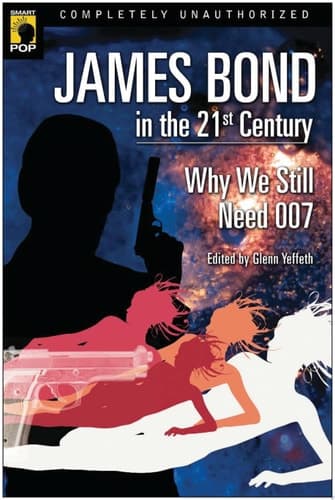
James Bond in the 21st Century Why We Still Need 007
Glenn YeffethPublished2006
Pages208
Formatpaperback
PublisherBenBella Books
Synopsis
The staying power of the world's most dashing secret agent and the evolution of the James Bond franchise are explored in this smart yet nostalgic collection of essays. Leading writers, including Raymond Benson, J.A. Konrath, Raelynn Hillhouse, and John Cox, discuss the ten sexiest Bond girls, the best villains, and the controversy surrounding the latest actor to play James Bond. Topics covered range from the playful—how to build a secret lair and avoid the perennial mistakes made by would-be world dominators—to the thought-provoking, such as Bond's place in the modern world, his Oedipal tendencies and perceived misogyny, and the unerring allure of the charming spy.
Recommendations
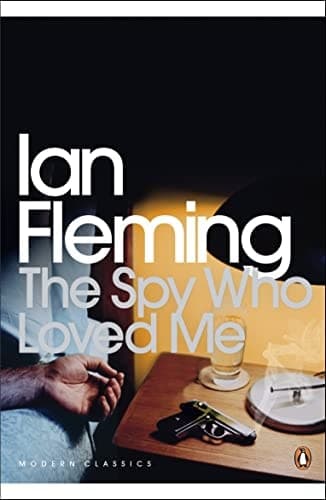
The Spy Who Loved Me
by Ian Fleming
Since you've been reading *about* Bond, it's time to experience Fleming's original prose—and this particular novel is fascinating because it's told from a woman's perspective, giving you direct access to how Bond was conceived before decades of film interpretation. Fleming's lean, propulsive writing style influenced everything from le Carré to modern thrillers, and reading the source material will deepen your appreciation for how the character has evolved.
View book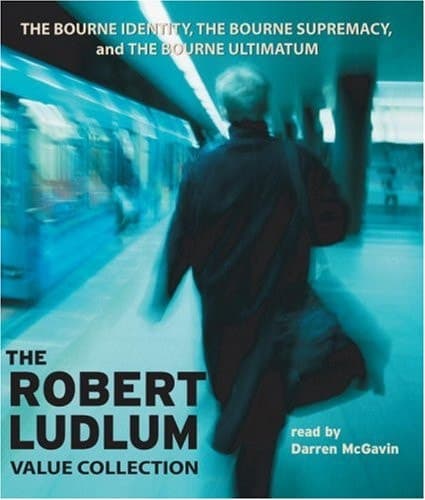
The Robert Ludlum Value Collection: The Bourne Identity, The Bourne Supremacy, The Bourne Ultimatum
by Robert Ludlum
Where Bond represents the fantasy of espionage—the gadgets, the seduction, the certainty—Ludlum's Jason Bourne is the anxious mirror image: a spy who doesn't know who he is, operating in a grittier, more paranoid world. The essay collection you just finished discusses Bond's place in the modern world; reading Ludlum shows you exactly what modern spy fiction looked like when it rejected Bond's playboy ethos in favor of psychological trauma and moral ambiguity.
View book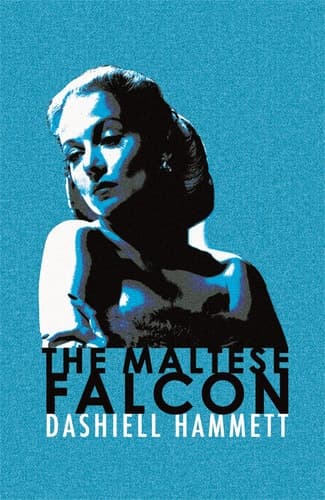
The Maltese Falcon
by Dashiell Hammett
Here's your surprise recommendation: this 1930 detective novel is the spiritual grandfather of Bond. Hammett's Sam Spade has that same cool competence, the same ability to move through dangerous situations with wit intact, and the same complicated relationship with the women around him—but Hammett wrote it decades before Fleming, and his sparse, hard-boiled style influenced how spy fiction learned to balance action with character. It's a chance to see where the archetype actually began.
View book
The Spy Game
by Marc Lovell
Rimington was the first female Director-General of MI5, and her non-fiction analysis of real espionage practices offers a fascinating counterpoint to the Bond essays you just finished—she discusses how actual intelligence work differs from fiction, including the gender dynamics that Bond films have historically gotten wrong. It's part memoir, part cultural criticism, and it'll give you the insider perspective on why the franchise's portrayal of women and tradecraft matters.
View book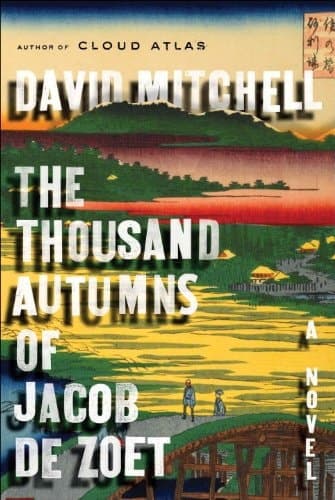
The Thousand Autumns of Jacob De Zoet A Novel
by David Stephen Mitchell
Mitchell crafts a historical spy narrative set in 1799 Japan that has the intricate plotting and moral complexity you'd find in serious Bond criticism, but wrapped in gorgeous prose and genuine emotional stakes. It's got espionage, seduction, political intrigue, and a protagonist caught between empires—all the ingredients of a Bond story, but told with the literary ambition that the essay collection suggests Bond deserves. It proves that spy fiction can be both entertaining and artfully constructed.
View bookAbout Glenn Yeffeth
G
Glenn Yeffeth
Born 1961
Biography coming soon.
View author page