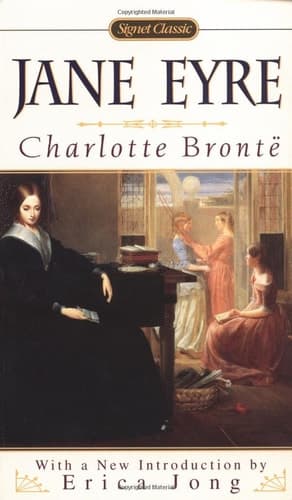
Synopsis
Jane Eyre is a wildly emotional romance with a lonely heroine and a tormented Byronic hero, pathetic orphans, dark secrets, and a madwoman in the attic. When it was
published in 1847, it was a great popular success. The power of the writing, the masterly
handling of the narrative, and the boldly realistic style were much admired. But many found it difficult to believe that Currer Bell, the pseudonymous author, was Charlotte Brontë , a young woman from a bleak Yorkshire parsonage.
Recommendations
Anne Brontë, The Tenant of Wildfell Hall Notes
by Hana Sambrook
Anne Brontë shares Charlotte's gift for creating morally complex characters trapped by circumstance, but her heroine is far more defiant—she actively chooses her isolation rather than having it imposed. Where Jane's torment comes from external forces, Helen's comes from her own impossible choices, giving you that same emotional intensity but with a protagonist who refuses victimhood.
View book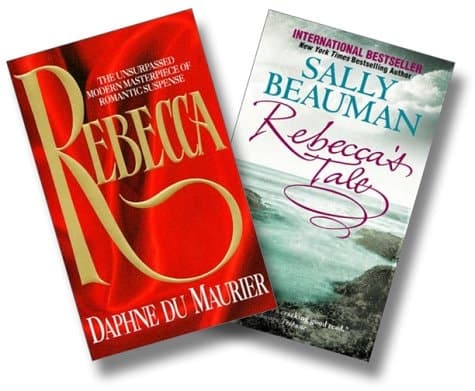
Rebecca and Rebecca's Tale Two-Book Set: Daphne Du Maurier's Rebecca and Rebecca's Tale: A Novel
by Daphne Du Maurier
Du Maurier understood that what makes Jane Eyre work isn't just the romance—it's the mystery of the house itself and what's hidden within it. Rebecca uses that same architecture of secrets, with a heroine slowly uncovering the truth about her new home and the man who owns it, but du Maurier adds a layer of psychological suspense that keeps you guessing about who to trust.
View book
The remains of the day de Kazuo Ishiguro
by Gallix/François
Here's the surprise: this 1989 novel shares Jane Eyre's obsession with emotional restraint and what remains unspoken between two people. Stevens, like Jane, is someone who's learned to armor himself against feeling, and watching him gradually confront what his loyalty has cost him has that same bittersweet ache—but Ishiguro achieves it through quiet understatement rather than Gothic drama.
View book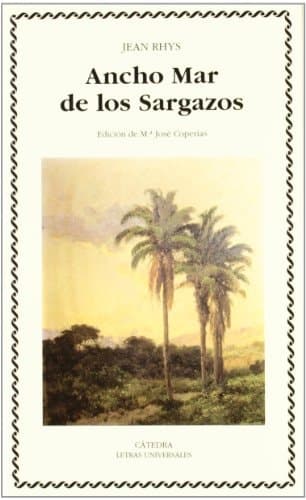
Wide Sargasso Sea
by Jean Rhys
Rhys does something audacious: she retells Jane Eyre from the perspective of Bertha Mason, Rochester's first wife, giving voice to the woman Jane Eyre renders voiceless. It's not a retelling exactly—it's a prequel that reframes everything you thought you understood about Rochester's past and his capacity for love, written in prose that's even more lyrical and unsettling than Brontë's.
View book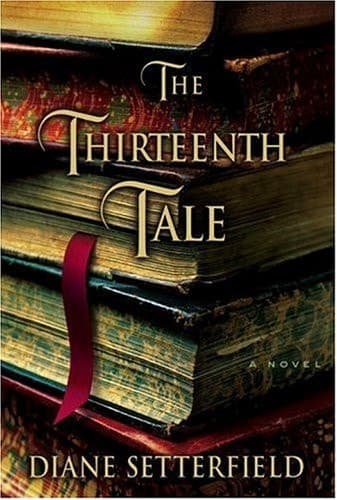
The Thirteenth Tale
by Diane Setterfield
Setterfield writes like someone who genuinely loves the architecture of Victorian Gothic—the orphans, the family secrets, the woman who's been hidden away—but she structures her novel as a mystery-within-a-mystery, where a biographer slowly uncovers a famous author's past. It has Jane Eyre's emotional intensity and its fascination with what people conceal, but filtered through a modern sensibility that questions whether the stories we tell about ourselves are even true.
View bookAbout Charlotte Brontë
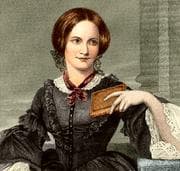
Charlotte Brontë was an English novelist, the eldest of the three Brontë sisters whose novels are English literature standards. Under the pen name Currer Bell, she wrote Jane Eyre. ([Source][1].) [1]: http://en.wikipedia.org/wiki/Charlotte_Brontë Her sisters, Anne and Emily, first published their works as Acton and Ellis Bell.
View author page