Synopsis
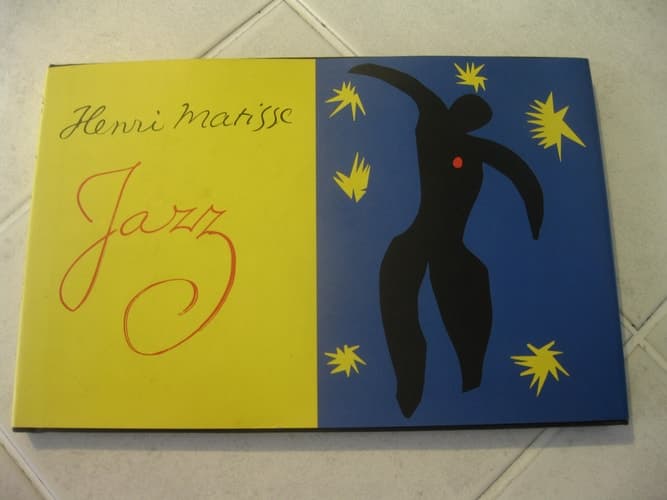
This selection from Matisse’s masterpiece is available again to coincide with the major Cut-Outs exhibitions at The Tate and MoMA in 2014. Late in his life, confined to a chair or bed, Matisse transformed a simple technique into a medium for the creation of a major art. “I have attained a form filtered to its essentials.” Cutting dynamic shapes from painted paper, Matisse created his images. While producing pieces for Jazz, the artist used a large brush to write notes to himself on construction paper. The simple visual appearance of the words pleased Matisse, and he suggested using his reflective handwritten thoughts in juxtaposition with the images. The original edition of Jazz was an artist’s book, printed in a limited quantity. This selection from the original is an exquisite suite of color plates and text that, like the music it was named for, was invented in a spirit of improvisation and spontaneity. These magnificent cut-outs of pure color celebrate the radiance and emotional intensity of the artist’s oeuvre. Full color illustrations throughout
Recommendations
Generating recommendations…
Our AI is preparing recommendations for Jazz. This usually takes under a minute.
About Henri Matisse
H
Henri Matisse
1869–1954
Henri Émile Benoît Matisse was a French visual artist, known for both his use of colour and his fluid and original draughtsmanship. He was a draughtsman, printmaker, and sculptor, but is known primarily as a painter. Matisse is commonly regarded, along with Pablo Picasso, as one of the artists who best helped to define the revolutionary developments in the visual arts throughout the opening decades of the twentieth century, responsible for significant developments in painting and sculpture.
View author page