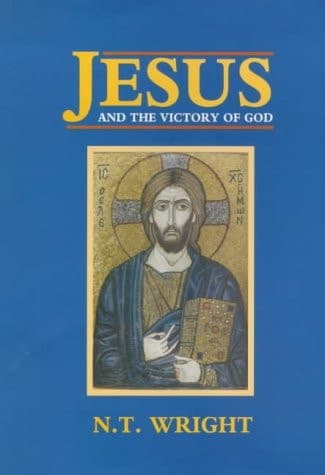
Synopsis
Who was Jesus? What can we know about him? Despite much media interest in recent sensational writing, there is still a serious quest for Jesus. This book has been written in an accessible style for lay people as well as for students, scholars, historians and theologians.
Recommendations
The Historical Jesus Ancient Evidence for the Life of Christ
by Gary R. Habermas
Habermas takes Wright's historical-critical approach and sharpens it into a laser-focused examination of what we can actually verify about Jesus through ancient sources. Where Wright synthesizes theology and history into a grand narrative, Habermas methodically builds a case from the ground up—it's like watching someone reconstruct a building by examining each brick individually rather than stepping back to admire the architecture.
View book
The Apostolic Fathers
by Bart D. Ehrman
If Wright's book left you wondering what happened *after* Jesus—how his earliest followers understood him in real time—Ehrman's translation and commentary on these first-generation Christian texts is like finding letters from people who actually knew the people who knew Jesus. The immediacy is striking: you're reading arguments, prayers, and warnings written when Christianity was still figuring out what it actually was.
View book
A Grief Observed
by C S Lewis
Here's the curveball: Lewis was a medieval scholar and Christian apologist like Wright, but this slim journal about his wife's death strips away the systematic theology and gives you raw, honest wrestling with faith when it stops making intellectual sense. It's not about *proving* Jesus existed or understanding first-century politics—it's about what happens when belief meets actual loss, which is the lived experience behind all of Wright's historical arguments.
View book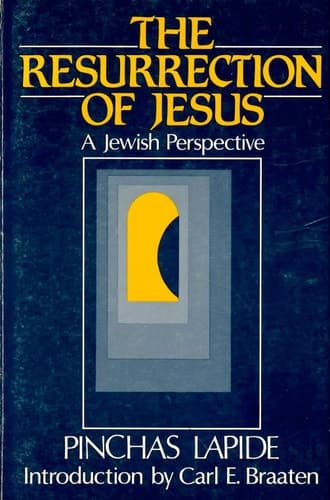
The Resurrection of Jesus A Jewish Perspective
by Pinchas Lapide
Published in 1994, just before Wright's book, Lüdemann represents the skeptical end of the historical Jesus spectrum—he's asking the same rigorous questions Wright asks, but reaching strikingly different conclusions about the resurrection. Reading them together is like attending a scholarly debate where both sides are actually competent; Lüdemann forces you to see which of Wright's arguments are airtight and which rely on interpretive choices.
View book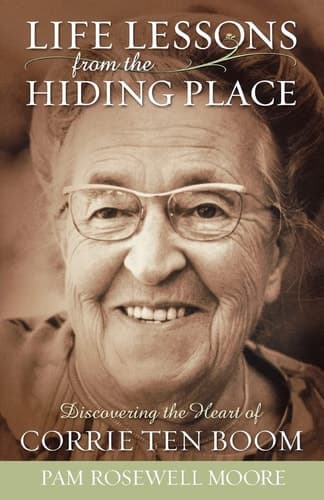
Life Lessons from The Hiding Place Discovering the Heart of Corrie Ten Boom
by Pam Rosewell Moore
A memoir from a woman who lived out radical Christian faith during the Nazi occupation of Holland—this is what happens when the Jesus that Wright reconstructs historically becomes flesh in someone's actual choices. Ten Boom doesn't argue theology; she narrates it through impossible decisions, forgiveness, and suffering. It's a different kind of evidence for who Jesus was and what his teachings actually demand of people.
View bookAbout Nicholas Thomas Wright
Biography coming soon.
View author page