Synopsis
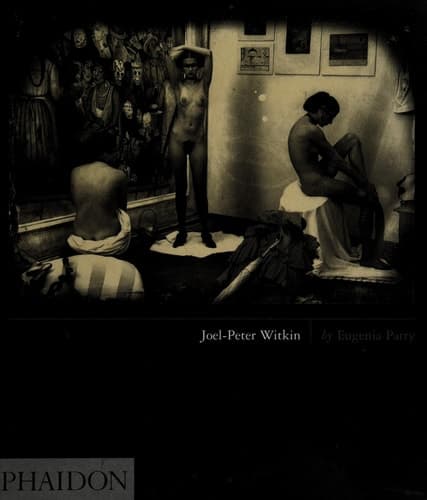
One of the most well known and controversial photographic artists working today, Joel-Peter Witkin (b. 1939) makes photographs that shock, yet also provoke and question. His remarkable tableaux and delicately posed still-lifes find beauty in the deformed, the scarred, the unusual, and even in the dead. Witkin follows in the tradition of Bosch, Goya and Velazquez, borrowing from the historical and mythological figures and symbols of Western art history, and reinterpreting the nineteenth century practice of photographing the 'other'. He has won four National Endowment Grants and his work has been included in the permanent collections of the MoMA and the Bibliothèque Nationale in Paris. He has also been the subject of exhibitions worldwide, including a major retrospective at the Guggenheim in New York in 1995. Disturbing and compelling, his images force us to confront our human condition.
Recommendations
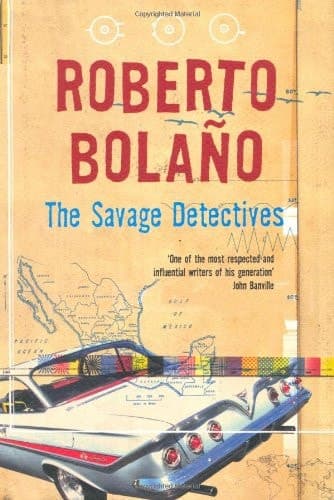
The Savage Detectives A Novel
by Roberto Bolaño
Like Witkin's photographs, Bolaño constructs meaning from fragmentation and the marginal—his novel follows obsessive seekers documenting the overlooked and forgotten across decades and continents. Both artists share an unflinching commitment to finding profundity in what polite society ignores, and both demand that viewers/readers sit with discomfort rather than look away.
View book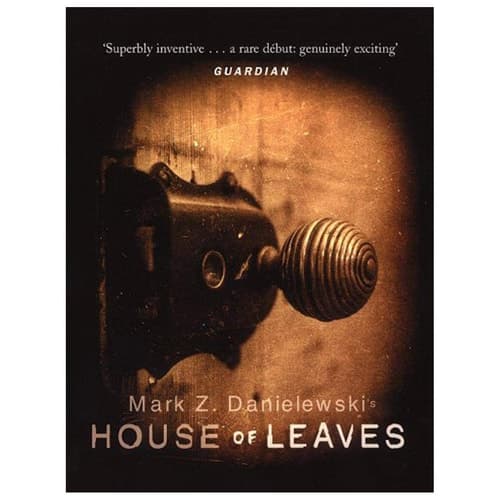
Mark Z. Danielewski's House of Leaves
by Mark Z. Danielewski
Danielewski's labyrinthine novel uses typography, footnotes, and spatial disruption the way Witkin uses composition and historical reference—both create works that physically unsettle you while exploring the limits of representation itself. If you appreciated how Parry's text navigates Witkin's transgressive imagery, you'll find Danielewski equally invested in making the medium inseparable from the message.
View book
Gertrude Steins Autobiographien The autobiography of Alice B. Toklas und Everybody's autobiography
by Monika Hoffmann
Here's your surprise pick: Stein's modernist memoir operates like Witkin's tableaux in that it refuses conventional narrative hierarchy, instead layering observation, portraiture, and historical moment into something that feels simultaneously intimate and formally radical. Published in 1933, it predates Witkin's career but shares his conviction that how you represent something matters as much as what you're representing.
View book
The Apocalyptic Vision of Mikhail Bulgakov's the Master and Margarita (Studies in Slavic Language & Literature)
by Edward E. Ericson
Bulgakov weaves together the grotesque, the mythological, and the deeply human in ways that echo Witkin's visual vocabulary—his Satan is both terrifying and oddly sympathetic, his Moscow is both recognizable and nightmarish. Both artists understand that beauty and horror aren't opposites but neighbors, and both use historical/religious symbolism to interrogate their own present moment.
View book
Blues and Roots/Rue and Bluets A Garland for the Southern Appalachians
by Jonathan Williams
Nelson's hybrid essay-poem treats color, desire, and damage with the same philosophical precision and visual intensity that Parry brings to analyzing Witkin's work. It's a meditation on how we look at things and what looking costs us—part art criticism, part autobiography, entirely unclassifiable, much like how Witkin's photographs resist easy categorization.
View bookAbout Eugenia Parry
E
Eugenia Parry
Born 1961
Biography coming soon.
View author page