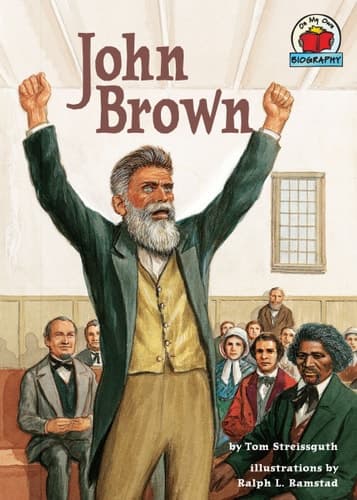
Synopsis
Introducing new readers to some of history's most interesting and important people, these biographies focus on the pivotal episodes that show what kind of person the subject is (or was) and how he or she came to be famous. Although written in a story format, these books are not fictionalized accounts. A chronology of major events follows the story, along with a brief summary of the subject's life.
Recommendations
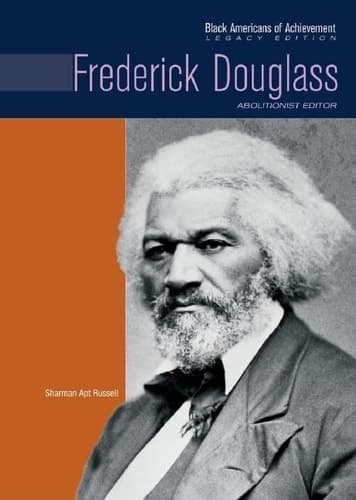
Frederick Douglass Abolitionist Editor
by Sharman Apt Russell
Since you've just finished with John Brown, you're primed for another biography that examines how conviction shapes action—Calkhoven traces Douglass's evolution from enslaved person to one of history's most powerful orators and thinkers. Like Streissguth's approach, this keeps the narrative momentum high while grounding everything in documented fact, and the two figures' parallel struggles against slavery create a natural pairing that deepens your understanding of both.
View book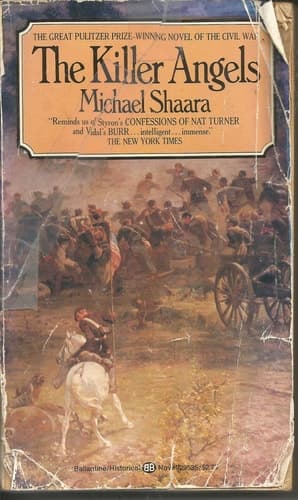
The Killer Angels
by Michael Shaara
Here's your surprise pick: while Streissguth gives you the historical facts of Brown's life, Shaara takes you inside the minds of Civil War figures through novelized scenes—it's not fiction in the sense of being made-up, but rather a different way of understanding the same era you've just studied. Reading this after Brown will let you see how the seeds Brown planted actually played out on battlefields, told through the perspectives of men like Lee and Longstreet grappling with the consequences.
View book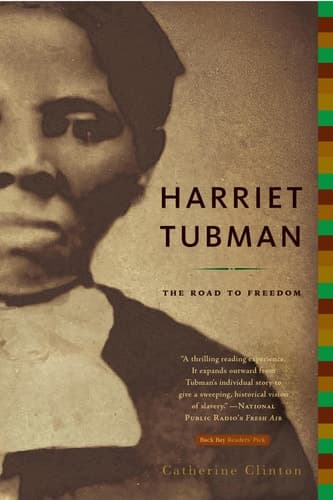
Harriet Tubman The Road to Freedom
by Catherine Clinton
Clinton's biography uses the same rigorous, story-driven approach as Streissguth but adds layers of historical detective work—she corrects myths while keeping Tubman's remarkable agency at the center. Since Brown's legacy is so tied to the abolitionist movement, understanding Tubman's perspective as someone who actually lived enslaved and then liberated others gives you a fuller picture of that era's most consequential figures.
View book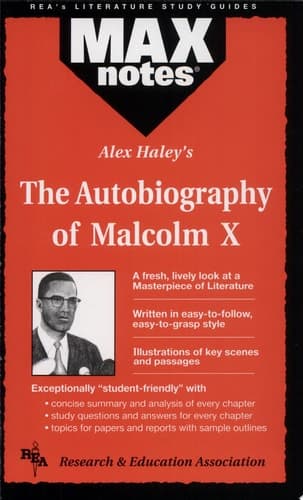
Alex Haley's The Autobiography of Malcolm X
by Anita J. Aboulafia
This one extends the conversation about radical resistance and moral conviction into the 20th century—Malcolm X, like Brown, believed that fundamental change required unflinching honesty about injustice. The book's structure mirrors what you appreciated in Streissguth: a life told through pivotal moments that reveal character, though here you get Malcolm's own voice wrestling with his evolving beliefs rather than a biographer's interpretation.
View book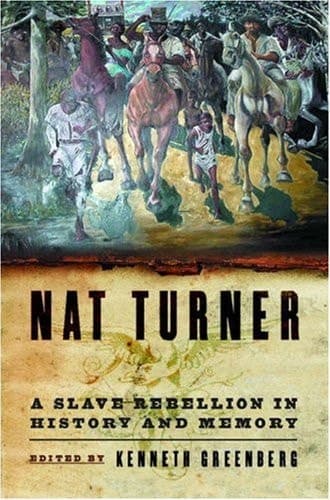
Nat Turner A Slave Rebellion in History and Memory
by Kenneth S. Greenberg
Greenberg's slim but powerful book examines Turner's 1831 rebellion through multiple historical documents and perspectives, creating a portrait of someone whose actions preceded Brown's by decades. What makes this essential after reading about Brown is how Greenberg shows you the complexity of interpreting violent resistance—he doesn't simplify Turner's motivations or legacy, much like Streissguth refuses to flatten Brown into a simple hero or villain.
View bookAbout Thomas Streissguth
T
Thomas Streissguth
Born 1958
Biography coming soon.
View author page