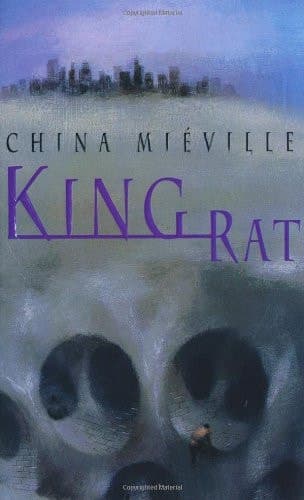
Synopsis
Saul is hauled out of bed by the police and charged with hurling his father from a top-floor window. While lying dazed in a cell, he is visited by a sharp-featured stranger who leads him on a gravity-defying escape. He introduces himself as King Rat.
Recommendations
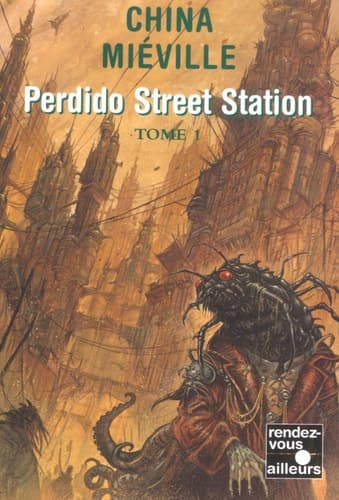
Perdido Street Station
by China Miéville
Wait—I know you just finished Miéville, but hear me out. If King Rat left you hungry for more of his particular brand of urban grotesquerie and impossible physics, this is where he truly mastered the form. The city itself becomes a character in ways that make Saul's London feel like a sketch by comparison, and the creature design has a visceral wrongness that'll stay with you.
View book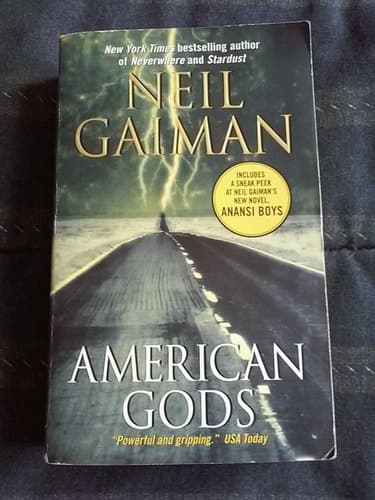
American gods
by Neil Gaiman
Gaiman does what Miéville does—takes the mundane world and reveals the secret supernatural architecture underneath it—but with a road-trip scope and a mythology that's distinctly American. Like King Rat, there's a protagonist being pulled into a world he didn't know existed, but Gaiman's pacing is more generous, letting you breathe between the revelations while the strangeness accumulates.
View book
City of the Great King: Jerusalem from David to the Present
by Nitza Rosovsky
I'm recommending this as your 'surprise' pick—it reads like a hardboiled detective novel first, science fiction second, and philosophical puzzle third. The constraint at its heart (two cities occupying the same space, citizens trained to unsee each other) creates the same sense of reality-bending that King Rat achieves through gravity and rats, but through pure social architecture instead.
View book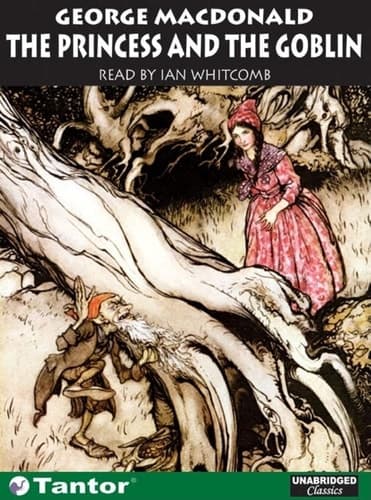
The Princess and the Goblin
by George MacDonald
This one's from 2014, so it gives you that decade-shift requirement, and it approaches fantasy from an almost opposite angle—instead of a protagonist thrust into danger, you have one thrust into bureaucratic responsibility. But like Saul, the protagonist is an outsider navigating a world with its own rules and hierarchies, and Addison's prose has that same attention to the texture of how power actually works in strange places.
View book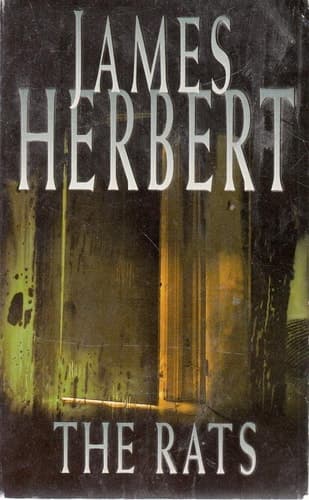
The Rats
by James Herbert
Here's your genuine curveball: a 1974 British horror novel about rats as an actual threat rather than Miéville's metaphysical trickster-king. It's pulpier and more visceral than King Rat, but it shares that specifically British urban setting and an almost anthropomorphic respect for the rats as intelligent actors. If you're curious what happens when you take the rat mythology seriously as horror rather than as noir-fantasy, this is the answer.
View bookAbout China Miéville
Biography coming soon.
View author page