Synopsis
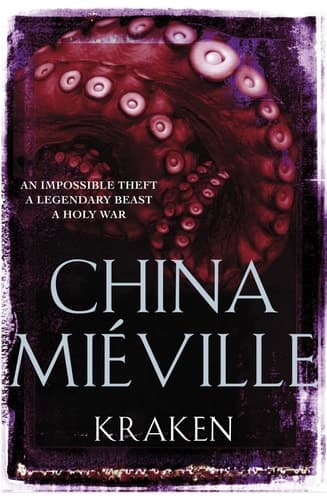
Kraken is a fantasy novel by British author China Miéville. It is published in the UK by Macmillan, and in the US by Del Rey Books. The book bears the subtitle "An Anatomy" on the title page. It was the winner for the 2011 Locus Award for Best Fantasy Novel.
Miéville has described the book as "a dark comedy about a squid-worshipping cult and the end of the world. It takes the idea of the squid cult very seriously. Part of the appeal of the fantastic is taking ridiculous ideas very seriously and pretending they’re not absurd."
Recommendations
The City & The City
by China Miéville
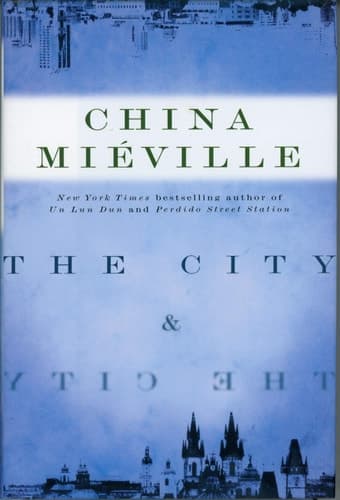
Wait—I know what you're thinking. But hear me out: if you haven't read this one yet, it's Miéville operating in a completely different register from Kraken. Where Kraken is maximalist chaos and dark comedy, this is a noir mystery that asks you to take an impossible geographical concept with absolute seriousness—much like the squid cult itself. The deadpan acceptance of the absurd is even more pronounced here.
View book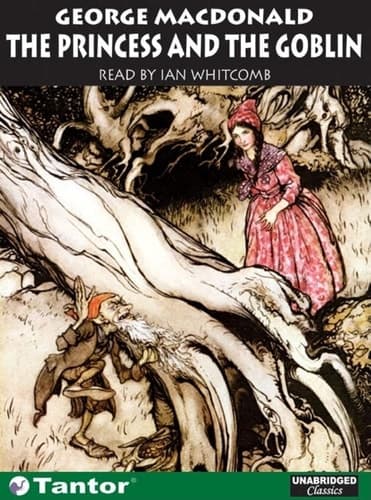
The Princess and the Goblin
by George MacDonald
This might seem like a left turn from Kraken's chaos, but Addison shares Miéville's gift for treating fantastical bureaucracy and minor magical details with genuine weight. Where Miéville gives you squid cults and London's hidden magical underworld, Addison gives you court intrigue and goblin succession—both authors find the strange poetry in systems and institutions that shouldn't work but somehow do.
View book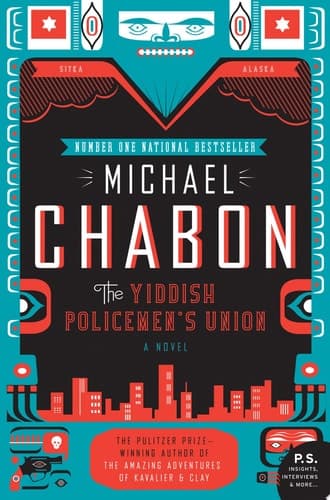
The Yiddish Policemen's Union
by Michael Chabon
Chabon does what Miéville does—takes a premise that sounds like a joke (a temporary Jewish settlement in Alaska that became permanent, now with its own noir detective story) and executes it with such meticulous world-building and dark humor that you forget to laugh at the concept. Both authors understand that the best weird fiction is funny precisely because the characters treat it as completely normal.
View book
If on a Winter's Night a Traveler Introduction by Peter Washington
by Italo Calvino
This is your 'outside the obvious genre' pick, and I'm recommending it because Calvino's playful metafictional games share Miéville's anarchic energy and refusal to take narrative conventions seriously. Where Kraken plays with cult mythology and London geography, Calvino plays with the reader's expectations and the structure of fiction itself—both are fundamentally about enjoying the strangeness of systems, whether they're magical or literary.
View book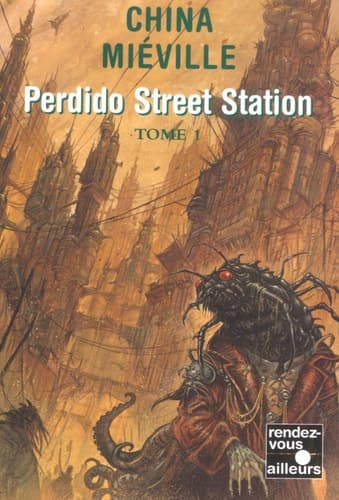
Perdido Street Station
by China Miéville
I'm breaking my own rule here because this is genuinely essential if you haven't read it: it's Miéville's earlier work that established everything Kraken builds on—the grotesque beauty, the New Weird aesthetic, the sense that a city itself is a character. If Kraken is him playing with comedy and cults, this is him at full baroque intensity, and it'll deepen your appreciation for what he was doing with the lighter touch in Kraken.
View bookAbout China Miéville
Biography coming soon.
View author page