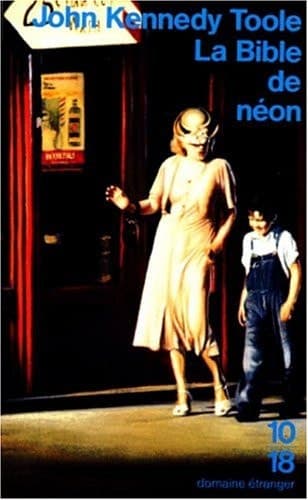
Synopsis
John Kennedy Toole, auteur de la Conjuration des imbéciles, chef-d'œuvre qui lui a valu en 1981, à titre posthume, le prix Pulitzer, a écrit la Bible de néon à l'âge de seize ans. Une voix juste, désarmante, drôle et poignante s'impose dans ce roman d'une enfance déshéritée, qui recèle une émotion venue du fond du cœur. Rien de plus authentique que ce testament d'un écrivain qui avait du génie, et dont l'œuvre et à classer aux côtes de celles de Flannery O'Connor et de Carson McCullers.
Recommendations

The Moviegoer
by Walker Percy
Percy shares Toole's gift for capturing the spiritual malaise beneath everyday American life, but he approaches it through the eyes of a detached, searching protagonist rather than a cast of eccentrics. Both writers find profound meaning in the mundane and treat their characters' struggles with a tenderness that never tips into sentimentality—you'll recognize that same balance between dark comedy and genuine heartbreak.
View book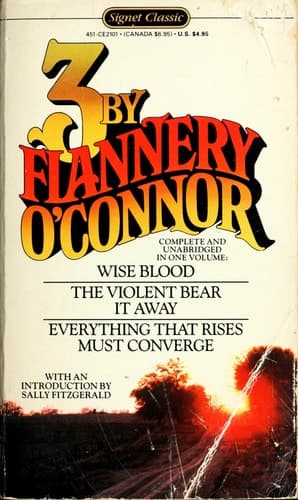
Three by Flannery O'Connor Wise Blood, The Violent Bear it Away, Everything that Rises Must Converge
by Flannery O'Connor
Since the description itself mentions O'Connor as a peer to Toole, this is worth reading directly—but not for the obvious reasons. Where Toole's genius lies in accumulating absurdity until it becomes unbearably human, O'Connor does the opposite, stripping situations down to their violent spiritual essence. Reading them together shows you two different approaches to the same American grotesque.
View book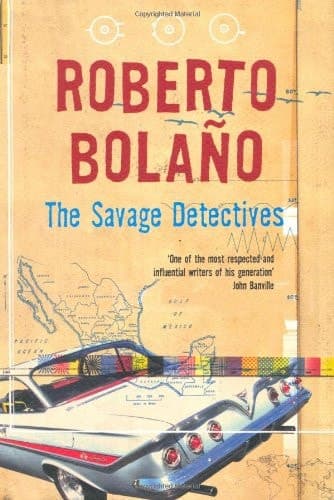
The Savage Detectives A Novel
by Roberto Bolaño
This is the curveball recommendation: Bolaño writes with the same sprawling, digressive energy as Toole, letting minor characters' stories spiral outward until you realize they're the whole point. The novel captures bohemian misfits and failed artists with both mockery and genuine affection, and like *La Bible de Néon*, it feels like the work of someone writing from the depths of authentic experience rather than literary calculation.
View book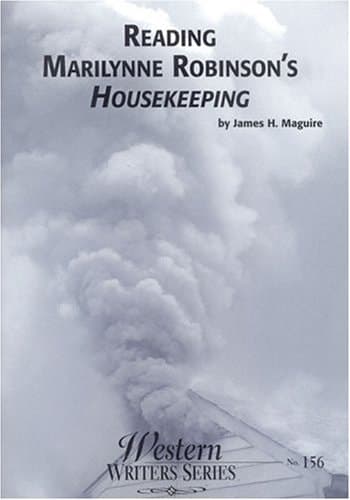
Reading Marilynne Robinson's Housekeeping (Boise State University Western Writers Series)
by James H. Maguire
Robinson writes about economic hardship and social displacement with the same unsentimental clarity as Toole, but she approaches it through lyrical, almost meditative prose rather than comic chaos. Both authors refuse to pity their characters while making you feel their dignity acutely—this novel's treatment of poverty and belonging will resonate with anyone moved by Toole's depiction of an 'disinherited childhood.'
View book
Danzig Trilogy of Gunter Grass A Study of the Tin Drum, Cat and Mouse, and Dog Years
by John Reddick
Published in 1959, this reaches back further than Toole's era but shares his conviction that grotesque comedy and historical tragedy are inseparable. Grass's narrator is a deliberately stunted, unreliable observer of 20th-century German chaos—much like how Toole's characters are shaped by forces larger than themselves. Both writers use the absurd as a way to tell the truth about how ordinary people survive extraordinary circumstances.
View bookAbout John Kennedy Toole
J
John Kennedy Toole
1937–1969
John Kennedy Toole (December 17, 1937 – March 26, 1969) was an American novelist from New Orleans, Louisiana, whose posthumously published novel *A Confederacy of Dunces* won the Pulitzer Prize for Fiction and was a big success. He also wrote *The Neon Bible.* Although several people in the literary world felt his writing skills were praiseworthy, Toole's novels were rejected during his lifetime. After suffering from paranoia and depression due in part to these failures, he died by suicide at the age of 31.
View author page