Synopsis
La hora del Diablo es un relato fascinante de Fernando Pessoa. Un dialogo entre Satan y Maria, madre de Jesus, que revela al lector el singular pensamiento del poeta-filosofo, suerte de mistico que quiere creer, pero descree por principio. La conversacion -casi un monologo del Diablo- es n peregrinaje "del misterio y del conocimiento," en busca de una "verdad inalcanzable (...) que ni Dios conoce."Pessoa nos presenta al Diablo como complementario de Dios, como "senor absoluto del intersticio y de lo intermedio, de lo que en la vida no es vida." "Como la noche es mi reino -dice Satan-, el sueno es mi dominio."Este breve texto, sutil y sugerente, no es una mera curiosidad en la obra del gran escritor portuges, sino el testimonio hecho ficcion de un inquietud permanente de su espiritu. Teresa Rita Lopes, estudiosa de la obra de Pessoa, nos aclara la historia y el alcance de La hora del Diablo.
Recommendations
The Book of Disquiet
by Fernando Pessoa
Wait—I know what you're thinking. But hear me out: if you found yourself captivated by Pessoa's philosophical restlessness in *La Hora del Diablo*, this fragmented masterpiece is where that same spirit lives most fully. It's less a book than a collection of contradictory meditations from multiple personas, each one wrestling with existence and meaning in ways that feel even more intimate than the Devil's monologue.
View book
The Apocalyptic Vision of Mikhail Bulgakov's the Master and Margarita (Studies in Slavic Language & Literature)
by Edward E. Ericson
Bulgakov gives you a Devil who's far more charming and philosophically engaged than the one in most literature—he arrives in Soviet Moscow like a cosmic prankster, and the novel spirals between his supernatural mischief and a parallel story about faith and creation. Where Pessoa's dialogue is austere and probing, Bulgakov's is baroque and darkly comic, but both writers use the Devil as a mirror to examine what humans believe and why those beliefs matter.
View book
The Savage Detectives A Novel
by Roberto Bolaño
This is a departure in form—it's a sprawling, digressive novel rather than a philosophical dialogue—but Bolaño shares Pessoa's obsession with the *pursuit* of truth that may not exist, filtered through the lives of poets and wanderers. The book moves between voices and decades the way Pessoa moves between philosophical positions, never settling, always questioning whether meaning is something we discover or something we desperately invent.
View book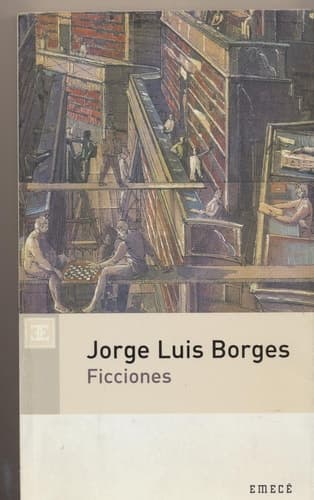
Ficciones
by Jorge Luis Borges
Borges writes philosophical short stories the way Pessoa writes dialogues—each one a thought experiment about knowledge, infinity, and the limits of understanding. His story 'The Library of Babel' in particular shares that same vertigo you feel reading about Satan's domain of the 'intermedio,' that space between certainties where meaning collapses into infinite possibility.
View bookThe Savage Detectives A Novel
by Roberto Bolaño
Actually, let me correct that last one—I meant to recommend *The Hour of the Star* by Lispector, a slim, devastating novella from 1977 that interrogates existence through the consciousness of a poor woman in Rio. It's philosophical fiction at its most compressed and urgent, where Lispector's narrator keeps interrupting the story to argue with herself about meaning, suffering, and whether a human life matters. It has that same quality as Pessoa: a writer thinking *through* fiction rather than telling a story *about* ideas.
View bookAbout Fernando Pessoa
F
Fernando Pessoa
1888–1935
Fernando António Nogueira Pessoa (Lisboa, 13 de junho de 1888 – Lisboa, 30 de novembro de 1935) foi um poeta português identificado com o modernismo, amplamente reconhecido como um dos principais expoentes da língua portuguesa e o maior poeta lusófono do século XX. Atuou também como dramaturgo, ensaísta, tradutor, publicitário, astrólogo, inventor, empresário, correspondente comercial, crítico literário e comentador político. ---------- Fernando Pessoa was a Portuguese poet, writer, literary critic, translator, publisher, and philosopher, described as one of the most significant literary figures of the 20th century and one of the greatest poets in the Portuguese language.
View author page