Synopsis
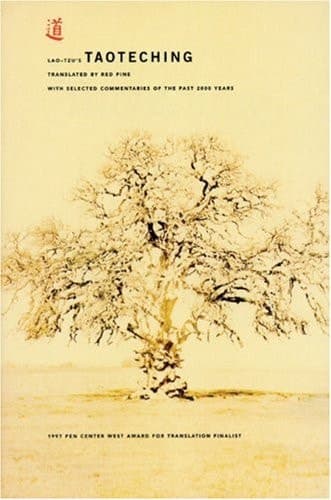
Red Pine's translation of the most revered of Chinese texts corrects errors in previous interpretations, truly breathes new poetic life into the English version, and includes selected commentaries-judged by Chinese scholars to be essential to understanding the wisdom of Taoism. Pine incorporates the commentaries of emperors and prime ministers, Taoist monks and nuns, Buddhist priests, poets, scholars, and the country's most famous philosophers of the past 2,000 years. This marks the first time that non-Chinese speakers have been given access to such a range of wisdom explaining the deeper meaning of China's famous ancient classic. With its clarity and scholarly range, this version of the Taoteching works both as a readable text and a valuable resource of Taoist interpretation.
Lao-tzu, founder of Taoism, is supposed to have written the Taoteching around 600 BC in the Chungnan Mountain region, where Red Pine (Bill Porter) interviewed contemporary hermits as described in his book Road to Heaven: Encounters with Chinese Hermits. Bill Porter is also the translator of The Zen Works of Stonehouse, of Sung Po-jen's Guide to Capturing a Plum Blossom, and of The Collected Songs of Cold Mountain.
Recommendations
Generating recommendations…
Our AI is preparing recommendations for Lao-tzu's Taoteching: with Selected Commentaries of the Past 2000 Years. This usually takes under a minute.
About Lao Tzu
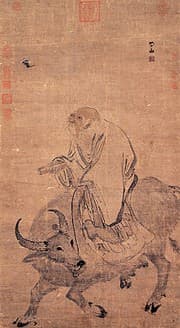
Laozi (Chinese: 老子; pinyin: Lǎozǐ; Wade–Giles: Laosi; also Lao Tse, Lao Tu, Lao-Tzu, Lao-Tsu, Laotze, Lao Zi, Laocius, and other variations) was a mystic philosopher of ancient China, and is a central figure in Taoism (also spelled "Daoism"). Laozi literally means "old master", and is generally considered honorific. Laozi is revered as a deity in most religious forms of Taoism. Taishang Laojun is title for Laozi in the Taoist religion, which refers to him as "One of the Three Pure Ones". According to Chinese tradition, Laozi lived in the 6th century BC. Historians variously contend that Laozi is a synthesis of multiple historical figures, that he is a mythical figure, or that he actually lived in the 4th century BC, concurrent with the Hundred Schools of Thought and Warring States Period. A central figure in Chinese culture, both nobility and common people claim Laozi in their lineage. Throughout history, Laozi's work has been embraced by various anti-authoritarian movements. **Source**: [Laozi](https://en.wikipedia.org/wiki/Laozi) on Wikipedia.
View author page