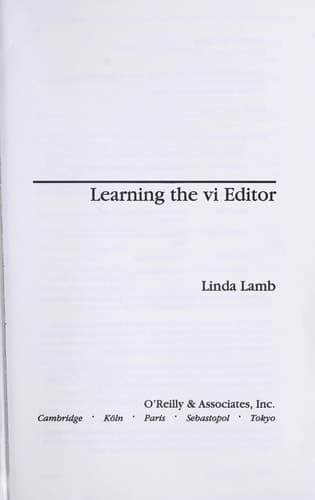
Learning the vi Editor (Nutshell Handbooks)
Linda LambPublished1990
Pages192
Formatpaperback
PublisherO'Reilly & Associates
Synopsis
For many users, working in the UNIX environment means using vi, a full- screen text editor available on most UNIX systems. Even those who know vi often make use of only a small number of its features.This handbook is a complete guide to text editing with vi. Quickly learn the basics of editing, cursor movement, and global search and replacement. Then take advantage of the more subtle power of vi. Extend your editing skills by learning to use ex, a powerful line editor, from within vi.Topics covered include: Basic editing Moving around in a hurry Beyond the basics Greater power with ex Global search and replacement Customizing vi and ex Command shortcuts Also includes a pull-out quick-reference card.
Recommendations
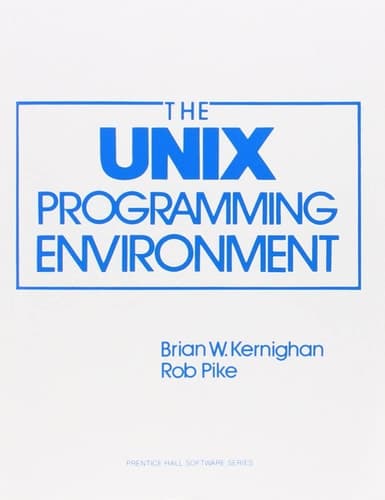
The UNIX Programming Environment
by Brian W. Kernighan
You've mastered vi's mechanics, but Kernighan and Pike show you the *philosophy* behind why Unix tools work the way they do—the design thinking that makes vi feel inevitable once you understand it. It's like learning vi taught you the vocabulary, and this book teaches you the grammar of the entire ecosystem.
View book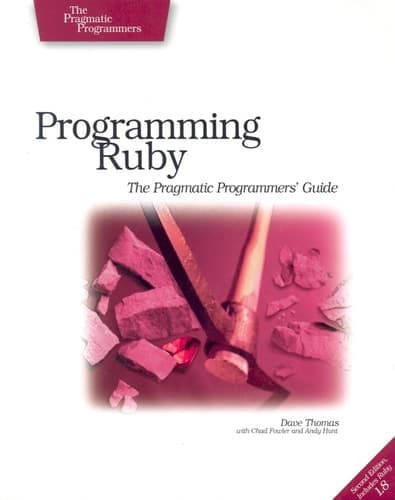
Programming Ruby The Pragmatic Programmers' Guide
by David Thomas
Where Lamb's handbook is about *what* vi does, Thomas and Hunt explore *why* developers choose certain tools and how to think about mastering them. You'll recognize the same philosophy of efficiency and customization, but applied to your entire development workflow—vi becomes one piece of a larger craft.
View book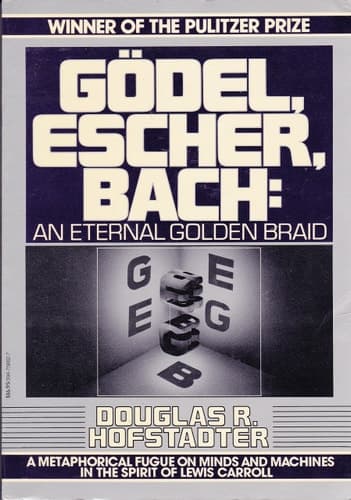
Gödel, Escher, Bach: An Eternal Golden Braid
by Douglas Hofstadter
This is the curveball—but hear me out: you've spent time learning vi's recursive patterns and nested commands, and Hofstadter explores how recursive, self-referential systems create meaning and complexity. It's not about text editing, but it *is* about how elegant formal systems can feel almost alive, which is exactly what vi feels like once you internalize it.
View book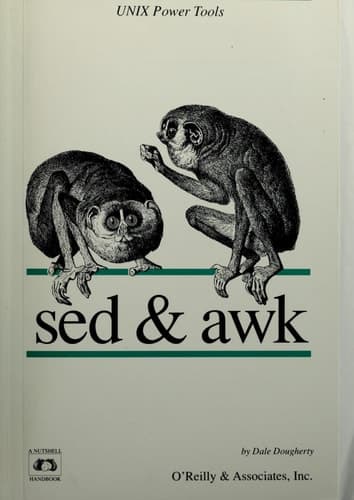
Sed and Awk
by Dale Dougherty
You've learned vi's power for interactive editing; now discover sed and awk, which do batch editing with the same Unix philosophy but in completely different ways. Dougherty writes with the same clarity as Lamb, and you'll find yourself constantly thinking "oh, vi does this, but sed does *that*"—it's the natural next step for someone who's internalized vi's logic.
View book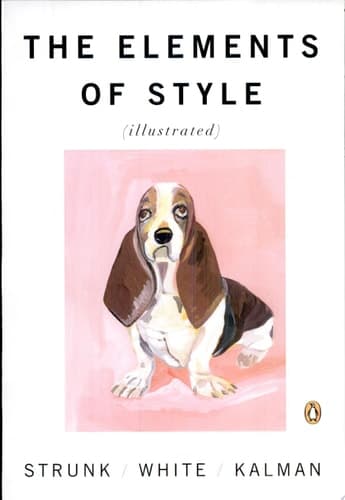
The Elements of Style Illustrated
by William Strunk, Jr.
A surprising recommendation, but Strunk's famous guide shares vi's core philosophy: eliminate unnecessary elements, prefer the direct approach, and master the fundamentals before breaking rules. Just as Lamb teaches you vi's basics before the advanced moves, Strunk teaches you that good writing comes from precision and constraint—the same discipline that makes vi users so efficient.
View bookAbout Linda Lamb
Biography coming soon.
View author page