Lebanon, the Fractured Country
David GilmourPublished1983
Pages209
Formathardcover
PublisherSt. Martin's Press
Synopsis
Explains the causes of the civil war in Lebanon, describes the ideologies of the major factions, and examines the results of foreign intervention
Recommendations
The Siege
by Helen Dunmore
Dunmore sets her novel during the Siege of Leningrad, and like Gilmour's analysis of Lebanon, she examines how ordinary people navigate impossible choices when caught between competing ideologies and foreign powers. The intimate family drama unfolds against the same kind of geopolitical machinery that Gilmour dissects—you'll see how abstract political forces become devastatingly personal.
View book
A Peace to End All Peace Creating the Modern Middle East, 1914-1922
by David Fromkin
This is your natural next step if you want to understand *why* Lebanon fractured the way it did. Fromkin traces how European powers carved up the Ottoman Empire after World War I, creating the arbitrary borders and sectarian tensions that Gilmour describes. It's the prequel to the civil war story you just read—the original sin that made everything else inevitable.
View book
The Last Leopard: A Life of Giuseppe Tomasi di Lampedusa
by David Gilmour
Here's your surprise pick: this 1958 novel about Sicily during unification is actually a masterclass in how societies fracture and reform. Lampedusa captures the same tension Gilmour identifies in Lebanon—old power structures clashing with new ideologies, foreign forces reshaping local politics—but he does it through the eyes of an aristocrat watching his world dissolve. It's literary, it's elegant, and it'll make you see political upheaval as tragedy rather than just headline.
View book
The Shock Doctrine The Rise of Disaster Capitalism
by Naomi Klein
Klein examines how foreign powers exploit crises—including civil wars—to impose economic systems on fractured nations. She'll show you the mechanisms behind the foreign intervention that Gilmour describes in Lebanon, revealing how geopolitical chaos becomes an opportunity for economic colonization. It's contemporary analysis (2007) that reframes everything you just read about 1980s Lebanon.
View book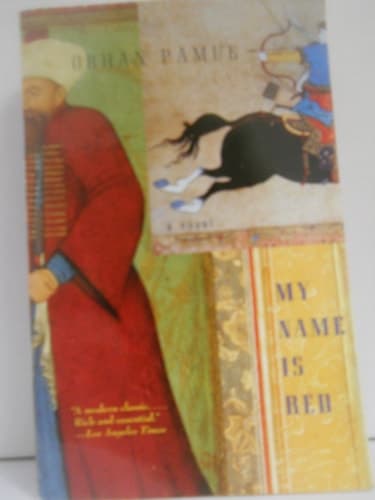
My Name is Red
by Orhan Pamuk
Pamuk's novel is set in Ottoman Istanbul during a moment of cultural collision—East versus West, tradition versus modernization—told through multiple unreliable narrators. Like Gilmour, he's interested in how competing worldviews create irreconcilable factions, but he explores it through art, murder, and philosophy rather than military history. The fragmented narrative structure mirrors the fractured perspective you get when studying a civil war from multiple ideological angles.
View bookAbout David Gilmour
D
David Gilmour
Born 1952
Biography coming soon.
View author page