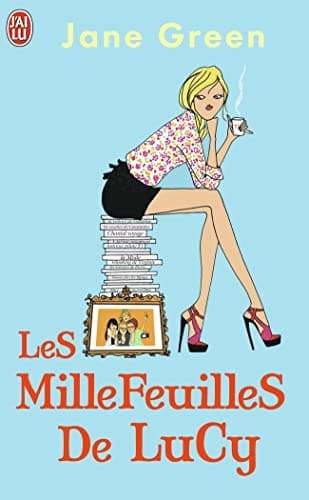
Synopsis
Lorsque deux amies inséparables, mais très différentes, décident de réaliser leur rêve en ouvrant une librairie-café, le hasard met sur leur chemin une ancienne copine, qui va bouleverser leurs projets. Mais est-ce réellement un hasard ?... Une comédie douce-amère sur l'amitié, l'amour et l'homosexualité à Londres, dans les années 90.
Recommendations

Wintersmith
by Terry Pratchett
Waters crafts that same bittersweet tension between two women whose relationship becomes the emotional core of everything—except here it's wrapped in a Victorian con-artist plot that keeps you guessing about who's really deceiving whom. Like Green's novel, the friendship feels achingly real even as circumstances keep pulling at it, and there's that same undercurrent of queer longing that never quite resolves the way you expect.
View book
Nick Hornby's High Fidelity
by Joanne Knowles
Hornby has that same gift for making you laugh at characters' romantic fumbling while breaking your heart for them—and like Green, he's genuinely interested in how people actually talk to each other, with all the false starts and defensive humor. His protagonist is obsessed with lists and pop culture the way Green's characters are obsessed with their dream, and both books understand that sometimes the real story is about learning who you actually are, not who you thought you'd be.
View book
The remains of the day de Kazuo Ishiguro
by Gallix/François
This is the curveball—a quiet, introspective novel from the 1980s that shares Green's interest in how people rationalize their choices and hide their true feelings, but Ishiguro does it through a butler's unreliable reflection on decades of service. Where Green shows you messy, immediate emotion, Ishiguro shows you emotion calcified by time and regret; reading them back-to-back reveals how differently two writers can explore the same question: what do we sacrifice for the life we think we should want?
View book
Angela Carter's Nights at the Circus
by Helen Stoddart
Carter writes with the same warmth toward her flawed, complicated women that Green does, but she's unafraid to make the world itself strange and theatrical—her circus setting becomes a space where identity is fluid and reinvention is possible. Both authors understand that female friendship and female desire are worth taking seriously, but Carter does it with baroque language and magical realism rather than contemporary realism, which gives you a completely different texture while hitting the same emotional notes.
View bookAbout Jane Green
Biography coming soon.
View author page