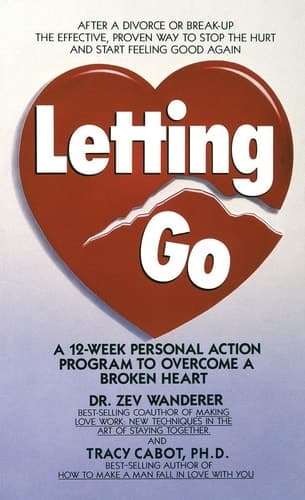
Letting Go A 12-Week Personal Action Program to Overcome a Broken Heart
Tracy CabotPublished1987
Pages320
Formatpaperback
PublisherRandom House Publishing Group
Synopsis
Are you crying over sad songs? Seeing his or her face in every crowd? Aching with loneliness and hoping the phone will ring? Feeling that no one else can give your life meaning?
Losing a loved one is the most devastating crisis of intimate living. It can jeopardize your health . . . even your life. You might think only passing time will ease your pain, but now you can begin to end the hurt today. Within three months you can erase painful memories, regain control of your feelings, and be free to love again.
Discover how to:
• Short-circuit acute symptoms of grief and depression
• Turn hurt into healthy anger
• Fall out of love
• Rebuild your self-esteem
• Break the “sex hook” to your ex
Meet someone new and make that relationship really work! Here is the step-by-step, week-by-week program that has already helped thousands. Now you can learn how to survive a lost romance and regenerate your love life by . . . Letting Go.
Recommendations
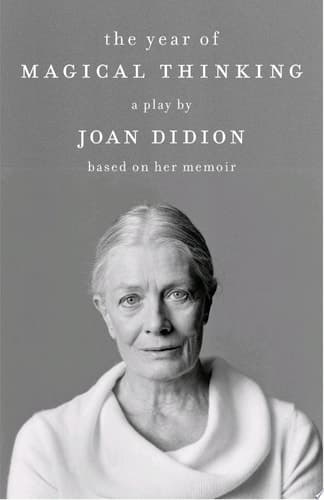
The Year of Magical Thinking A Play by Joan Didion Based on Her Memoir
by Joan Didion
Where Cabot gives you a structured action plan, Didion does something riskier—she lets you sit inside the disorientation of grief itself, the way your mind plays tricks and time becomes unreliable. Both books are about surviving loss, but Didion's lyrical, essayistic approach shows you that sometimes understanding *how* you're grieving matters as much as the mechanics of moving forward.
View book
Hit To Kill The New Battle Over Shielding America From Missile Attach
by Bradley Graham
This one builds on what Cabot started but takes you deeper into *why* we get stuck on people in the first place. Levine and Heller use attachment theory to explain the patterns that keep us cycling through the same heartbreak, which means you're not just healing from this breakup—you're understanding the blueprint so you don't repeat it. It's practical like Cabot but grounded in actual neuroscience.
View book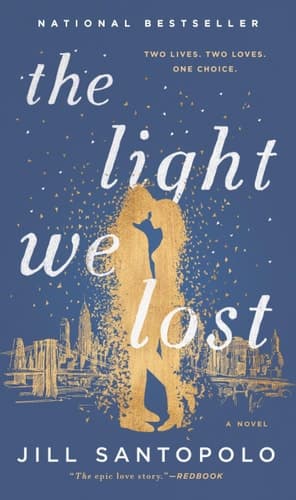
The Light We Lost
by Jill Santopolo
Here's your surprise pick: it's a novel, not a self-help book, but it does something Cabot's framework can't—it lets you *live* through a complicated romantic relationship in real time, watching two people love each other and still drift apart. The non-linear structure mirrors how memory actually works when you're processing a relationship, jumping between moments that suddenly feel significant.
View book
How to Survive When (You Think) There's Nothing to Do
by Suzanne Francis
After heartbreak, Cabot focuses on action and rebuilding—which is necessary—but Odell argues for something counterintuitive: that sometimes the real work is learning to be present without *doing*. She writes about reclaiming your attention and sense of self from external demands, which is exactly what you need when you've been emotionally consumed by another person. It's philosophical where Cabot is tactical.
View book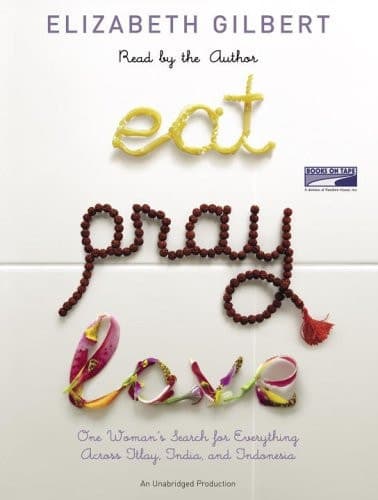
Eat, Pray, Love
by Elizabeth Gilbert
Gilbert's memoir follows someone doing exactly what Cabot prescribes—healing from heartbreak and rebuilding—but she takes you on the *journey* rather than just the checklist. Published in 2006, it shows how the self-help framework of the '80s evolved, and Gilbert's voice is wry and honest about how messy recovery actually is, even when you're following the program.
View bookAbout Tracy Cabot
Biography coming soon.
View author page