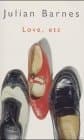
Synopsis
In matters of love and friendship, how much can be endured? What might be forgiven? And who—given the inevitable, knotty complications—is desirable still?
From such questions, and using all the surprising, sophisticated ingredients of a delightful farce, Julian Barnes has created a tragicomedy of human frailties and needs. Love, etc. stars three characters introduced a decade ago in Talking It Over—to which this novel has an eerie, freestanding relation. Which is precisely how Stuart feels toward Gillian, his wife before his witty, feckless, former best friend Oliver stole her away. True, he did make a fuss at their subsequent wedding, and spied on them in their French village; but he was agreeable about the divorce, moved to America, remarried briefly, prospered, then returned to London shortly after Oliver and Gillian, avec les enfants, did.
Meanwhile, Oliver’s artistic ambitions have turned to ashes in his mouth, so it’s Gillian supporting the household—until Stuart rejoins them.
What transpires to further complicate the situation doesn’t bear repeating, especially as the three principals (along with many others) are allowed to speak directly to the reader, to whisper their secrets and argue their own particular versions of what actually happened, and why. Indeed, emerging from this crux are a number of truths we all live by: faith and generosity, trust and commitment, toward ourselves and our loved ones; or, absent those, banality and even brutality.
Every bit as funny and intelligent as anything Julian Barnes has written, Love, etc. is also fabulously engaging, powerfully dramatic, and profoundly unsettling.
Recommendations
Generating recommendations…
Our AI is preparing recommendations for Love, Etc. This usually takes under a minute.
About Julian Barnes
J
Julian Barnes
Born 1946
Julian Patrick Barnes is an English writer. Barnes won the Man Booker Prize for his book *The Sense of an Ending* (2011). He has also written crime fiction under the pseudonym Dan Kavanagh. In addition to novels, Barnes has published collections of essays and short stories. - Wikipedia
View author page