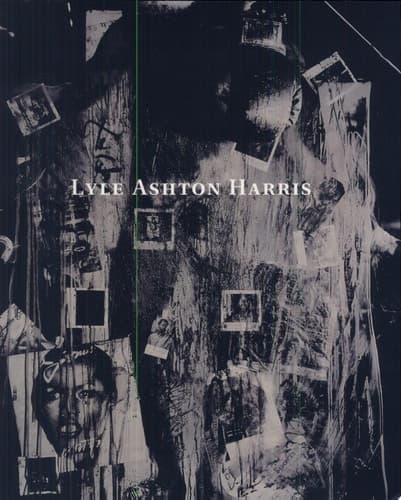
Lyle Ashton Harris
Lyle Ashton HarrisPublished2003
Pages56
Formatpaperback
PublisherGregory R. Miller & Co.
Synopsis
Known for self-portraits which explore issues of performance, identity, family, gender, masculinity and race, Lyle Ashton Harris here presents a new series featuring himself in a variety of loaded guises: Billie Holiday, Josephine Baker and the "Boxer." Anna Deavere Smith's essay powerfully explores her relationship to the photographs and the artist.
Recommendations
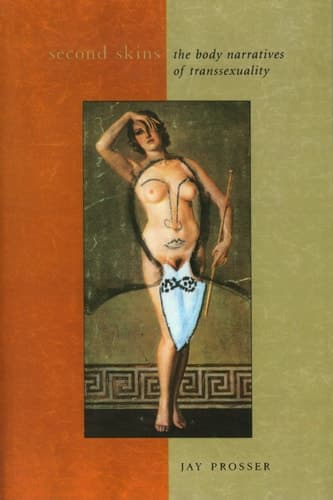
Second Skins The Body Narratives of Transsexuality
by Jay Prosser
Hildyard constructs identity through fragmented, layered narratives that move between the personal and the historical—much like Harris uses his own body as a site where individual and collective histories collide. Both works refuse linear storytelling in favor of something more prismatic, where meaning emerges from juxtaposition rather than explanation.
View book
Blues and Roots/Rue and Bluets A Garland for the Southern Appalachians
by Jonathan Williams
Nelson's hybrid essay-poem uses color, theory, and personal obsession to investigate how we represent desire and loss—she's doing with language what Harris does with photography. The way she moves between scholarly analysis and raw emotional confession mirrors how Harris's self-portraits simultaneously perform and expose.
View book
Ralph Ellison - Invisible Man
by Anke Balduf
Published in 1952, this novel explores how Black identity is constructed through others' projections and performances—a thematic ancestor to Harris's work. Ellison's unnamed narrator navigates a world that demands he perform versions of himself, and the novel's investigation of visibility and invisibility resonates deeply with Harris's photographic interrogations of how we're seen and how we see ourselves.
View book
Treehouses The Art and Craft of Living Out on a Limb
by Peter Nelson
Wait—I know I just recommended Nelson, but hear me out: this is her more overtly political work, examining how art engages with violence, trauma, and representation. It's the theoretical companion piece to Harris's practice, asking the same urgent questions about whether performance can critique or only reinscribe the systems it inhabits.
View book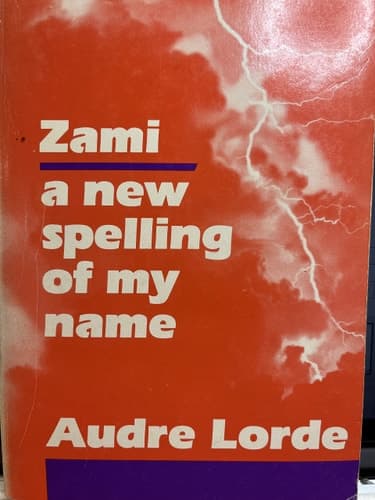
Zami, a New Spelling of My Name
by Audre Lorde
This biomythography (Lorde's term) uses fragmented memory, sensory detail, and deliberate self-fashioning to construct identity across race, gender, sexuality, and desire. Like Harris's self-portraits, Lorde refuses a singular, coherent self—instead offering multiplicities and contradictions as the truest representation of lived experience.
View bookAbout Lyle Ashton Harris
L
Lyle Ashton Harris
Born 1965
Biography coming soon.
View author page