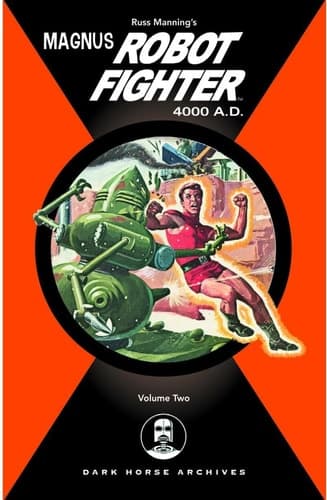
Magnus, Robot Fighter 4000 A. D.
Russ ManningPublished2005
Pages208
Formathardcover
PublisherDark Horse Comics
Synopsis
Dark Horse delivers another fantastic collection of rare classics from a comics legend! Russ Manning, famous for his spectacular work on the Tarzan newspaper strips of the late sixties, brought fans his "Tarzan of the future" in Magnus, Robot Fighter. While his work on the original comic series lasted only twenty-one issues, Manning’s creation has survived generations, influencing countless science-fiction artists and writers to this day. Fans of Alex Raymond, Mac Raboy, or Wally Wood should not miss this beautifully bound hardcover, the second Magnus archival collection and the latest addition to Dark Horse’s line of science-fiction classics.
Recommendations
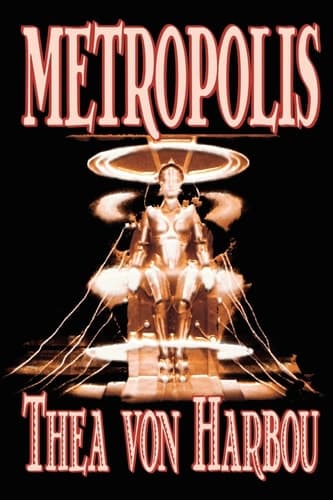
Metropolis
by Thea von Harbou
Von Harbou's 1927 novel has that same sleek, architectural vision of the future that Manning brought to his panels—a metropolis where humans and machines exist in uneasy tension, rendered through stark visual language. Where Magnus fights individual robots, Metropolis asks bigger questions about automation and class, but both works share that golden-age sci-fi sensibility where the future looks like something you could actually build.
View book
Giovanni Anselmo Where the Stars are Coming
by Giovanni Anselmo
Hurley writes action sequences with the same kinetic energy and panel-by-panel clarity that Manning brought to his fight choreography—you can *see* every movement. Her far-future setting has that same retro-futuristic aesthetic (all organic tech and salvage), and like Magnus, the protagonist is a capable fighter navigating a world of strange technology, but Hurley's approach is grittier and more contemporary in its sensibilities.
View book
The Princess and the Goblin
by George MacDonald
This might seem like a left turn from robot fighters, but stay with me: Addison has Manning's gift for making readers care about a protagonist navigating an unfamiliar world full of complex systems and untrustworthy allies. Where Magnus learns to fight robots, Maia learns to navigate court politics, but both stories have that same earnest, straightforward character voice and focus on competence under pressure—just in completely different settings.
View book
Elric of Melnibone
by Michael Moorcock
Moorcock's 1972 novella has the same pulp-adventure DNA as Magnus—a lone fighter with a distinctive weapon facing impossible odds in a world that doesn't quite work by normal rules. Manning's clean linework and Moorcock's baroque prose are different languages, but they're telling similar stories about capable heroes in strange worlds, and Moorcock's influence on sci-fi and fantasy artists rivals Manning's own.
View book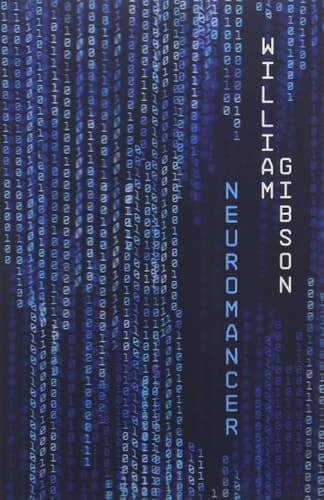
Neuromancer
by William Gibson
Gibson's 1984 debut does something Manning was reaching toward—it shows a future where human and machine aren't separate categories anymore, where the boundary gets genuinely blurry. The prose is dense where Manning's art is clean, but both works capture that moment when cybernetics stopped being theoretical and started feeling *inevitable*, and both have protagonists who are skilled operators in worlds they're still learning to navigate.
View bookAbout Russ Manning
R
Russ Manning
1929–1981
Biography coming soon.
View author page