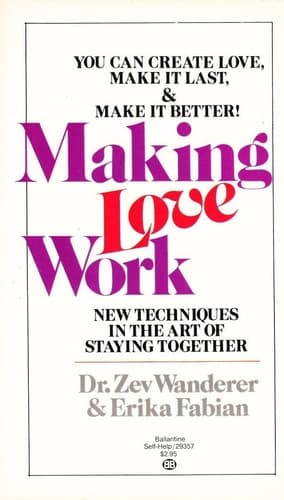
Making Love Work
Zev WandererPublished1985
Pages304
Formatpaperback
PublisherRandom House Publishing Group
Synopsis
1985
Recommendations
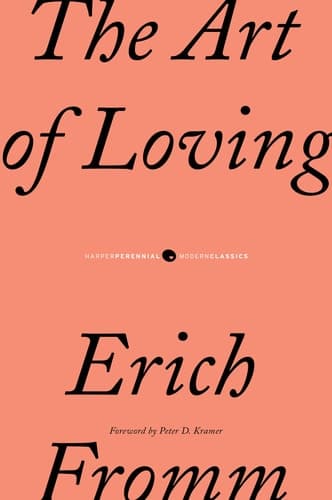
The Art of Loving
by Erich Fromm
Fromm approaches love with the same philosophical rigor Wanderer brings to relationships, but he's asking bigger questions about whether we've been taught to love correctly at all. Where Wanderer gives you practical tools, Fromm gives you permission to question the foundations—they're complementary reads that deepen each other.
View book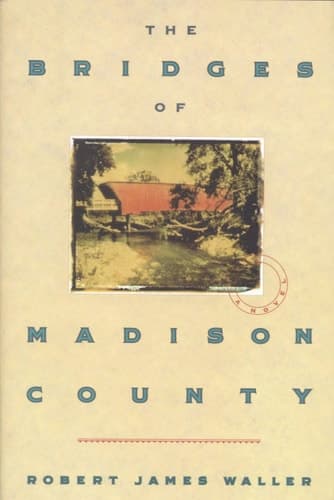
The Bridges of Madison County
by Robert James Waller
This 1992 novel does something Wanderer's nonfiction doesn't quite reach: it shows love working (and not working) through lived experience rather than explanation. The restraint in how Waller handles the emotional core—what's said versus unsaid—creates a meditation on commitment that feels like a natural next step after understanding the mechanics.
View book
Hit To Kill The New Battle Over Shielding America From Missile Attach
by Bradley Graham
This is the book that makes you say 'oh, *that's* why that pattern kept happening.' Levine and Heller take attachment theory—the science behind why we connect the way we do—and make it accessible without dumbing it down. It's like Wanderer's practical advice meets the neuroscience that explains *why* those techniques actually work.
View book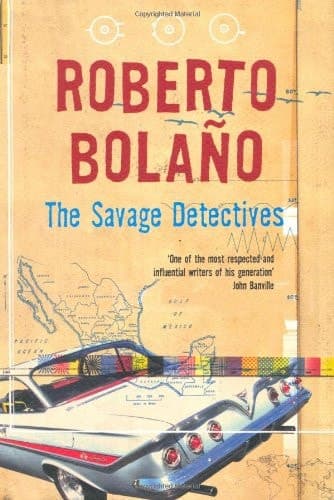
The Savage Detectives A Novel
by Roberto Bolaño
Here's the curveball: Bolaño's sprawling 1998 novel isn't about romantic love, but about obsession, connection, and the messy ways people actually relate to each other across distance and time. If Wanderer taught you the grammar of love, Bolaño shows you what happens when people speak that language badly, beautifully, and desperately—it's a portrait of human connection that's almost anthropological.
View book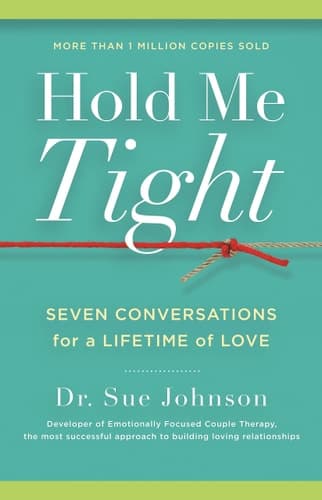
Hold Me Tight Seven Conversations for a Lifetime of Love
by Sue Johnson
Johnson, a couples therapist, structures her advice around actual conversations—the moments where love either deepens or fractures. Where Wanderer gives you the framework, Johnson gives you the script, and more importantly, she explains the emotional choreography underneath it. It feels like a natural evolution from Wanderer's work, grounded in decades of clinical practice.
View bookAbout Zev Wanderer
Biography coming soon.
View author page