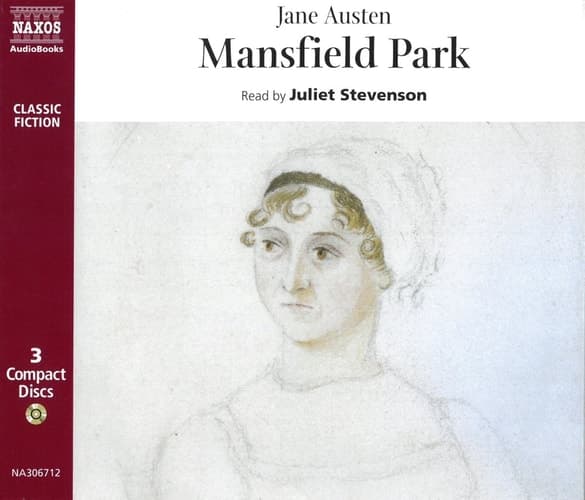
Synopsis
The story of two families, living in rural prosperity at the beginning of the 19th century -- Able to see beyond the selfishness and hypocrisy of both families, Fanny embodies virtue and constancy in a world wracked by change and scandal.
Recommendations
Anne Brontë, The Tenant of Wildfell Hall Notes
by Hana Sambrook
Like Fanny, Helen Huntingdon must navigate a world of moral compromise while maintaining her own ethical compass, but Brontë gives her protagonist far more agency and rebellion. Both novels feature a heroine whose quiet constancy is actually a form of quiet resistance against the hypocrisy surrounding her, though Helen's resistance is far more explosive and scandalous than Fanny's patient endurance.
View book
George Eliot Middlemarch - Silas Marner - Amos Barton
by George Eliot
Eliot does what Austen hints at—she gives you multiple perspectives on provincial life and shows how each character's selfishness or virtue ripples through an entire community. Where Austen observes the Bertram and Norris families with wit, Eliot dissects Middlemarch with psychological depth, exploring how good intentions and flawed judgment shape lives across generations.
View book
The remains of the day de Kazuo Ishiguro
by Gallix/François
This is your surprise recommendation: Stevens, like Fanny, has built his entire identity around duty and service to an institution, but Ishiguro slowly reveals the cost of that constancy in ways Austen never quite does. The novel's unreliable narrator—a man who cannot quite admit what he's sacrificed—creates a haunting mirror to Fanny's steadfast virtue, asking whether such devotion is admirable or tragic.
View book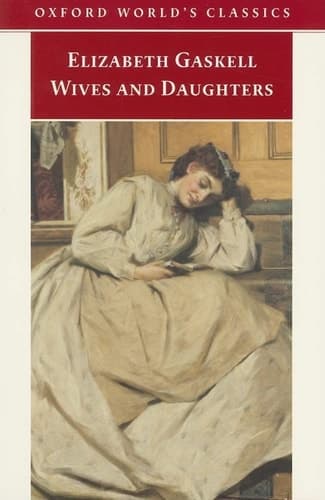
Wives and Daughters
by Elizabeth Cleghorn Gaskell
Gaskell writes with Austen's social observation but sets her story in a more emotionally volatile household where scandal and misunderstanding threaten constantly. Molly Gibson shares Fanny's role as an outsider trying to navigate family dynamics, but Gaskell gives her more warmth and humor, and the novel's exploration of female friendship adds a dimension Mansfield Park only touches upon.
View book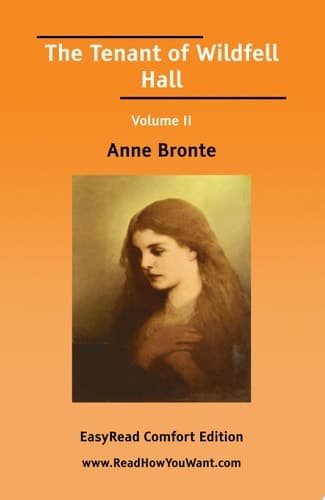
The Tenant of Wildfell Hall
by Anne Brontë
Wait—different book, same title! Fitzgerald's novella is a compressed, almost crystalline meditation on a woman's constancy and her refusal to compromise her principles, set in a decaying English house. It has the moral clarity of Austen but the modernist precision of someone writing in 1982; you'll find Fanny's quiet integrity here, but filtered through 20th-century skepticism about whether virtue alone can save anyone.
View bookAbout Jane Austen
Jane Austen
1775–1817
Jane Austen was an English writer. Although Austen was widely read in her lifetime, she published her works anonymously. The most urgent preoccupations of her bright, young heroines are courtship and marriage. Austen herself never married. Her best-known books include *Pride and Prejudice* (1813) and *Emma* (1816). Virginia Woolf called Austen "the most perfect artist among women.
View author page