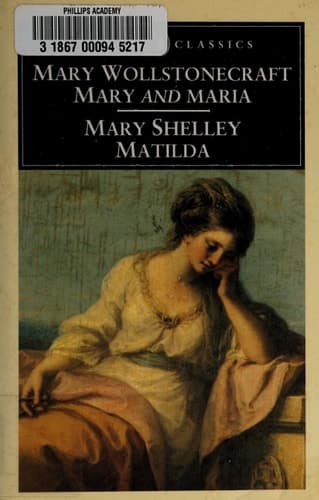
Synopsis
These three works of fiction - two by Mary Wollstonecraft, the radical author of A Vindication of the Rights of Woman, and one by her daughter Mary Shelley, creator of Frankenstein - are powerfully emotive stories that combine passion with forceful feminist argument. In Mary Wollstonecraft's Mary, the heroine flees her young husband in order to nurse her dearest friend, Ann, and finds genuine love, while Maria tells of a desperate young woman who seeks consolation in the arms of another man after the loss of her child. And Mary Shelley's Matilda - suppressed for over a century - tells the story of a woman alienated from society by the incestuous passion of her father. Humane, compassionate and highly controversial, these stories demonstrate the strongly original genius of their authors.
For more than seventy years, Penguin has been the leading publisher of classic literature in the English-speaking world. With more than 1,700 titles, Penguin Classics represents a global bookshelf of the best works throughout history and across genres and disciplines. Readers trust the series to provide authoritative texts enhanced by introductions and notes by distinguished scholars and contemporary authors, as well as up-to-date translations by award-winning translators.
Recommendations
Generating recommendations…
Our AI is preparing recommendations for Mary; Maria; Matilda. This usually takes under a minute.
About Mary Wollstonecraft
M
Mary Wollstonecraft
1759–1797
Mary Wollstonecraft (pronounced /ˈwʊlstən.krɑːft/; 27 April 1759 – 10 September 1797) was an eighteenth-century British writer, philosopher, and advocate of women's rights. During her brief career, she wrote novels, treatises, a travel narrative, a history of the French Revolution, a conduct book, and a children's book. Wollstonecraft is best known for *A Vindication of the Rights of Woman* (1792), in which she argues that women are not naturally inferior to men, but appear to be only because they lack education. She suggests that both men and women should be treated as rational beings and imagines a social order founded on reason.
View author page