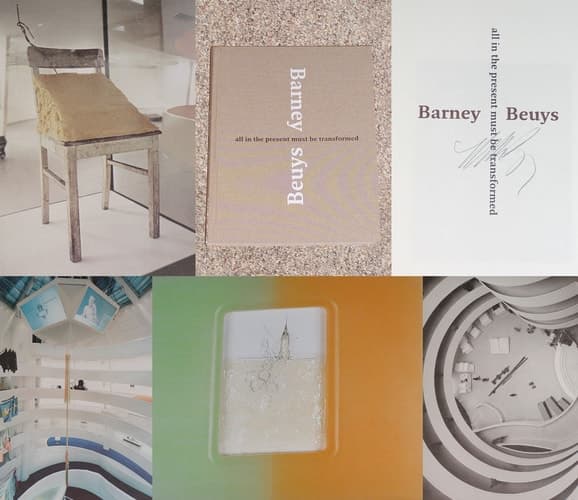
Matthew Barney & Joseph Beuys: All in the Present Must Be Transformed
Nancy SpectorPublished2007
Pages180
Formatpaperback
PublisherGuggenheim Museum
Synopsis
All in the Present Must Be Transformed: Matthew Barney and Joseph Beuys examines key affinities between these two seminal twentieth-century artists, who, though separated by generation and geography, share many aesthetic and conceptual concerns. Published in conjunction with the exhibition at the Deutsche Guggenheim, Berlin, it focuses on the two artists' metaphoric use of materials, their interest in metamorphosis, their employment of narrative structures and the relationship between action and documentation in their work. The exhibition, whose content is drawn largely from the Guggenheim's substantial permanent collection, pairs a selection of drawings and vitrines by both artists, as well as Barney's multipart sculpture, "Chrysler Imperial" (2002) from Cremaster 3, with Beuys' installation "Terremoto" (1981). The book examines the performative side of both artists' practices, as evidenced by the way each has theatricalized his own sculptural production. In addition, it documents both artists' one-person exhibitions at the Solomon R. Guggenheim Museum in New York and includes an extensive selection of drawings and key comparative works.
Recommendations
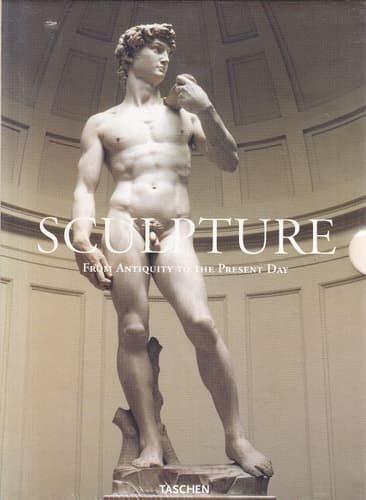
Sculpture The Adventure of Modern Sculpture in the Nineteenth and Twentieth Centuries
by Wentinck Charles
Krauss's foundational essay collection dissects how artists like Robert Morris and Carl Andre transformed sculpture from object into spatial experience—exactly the kind of conceptual framework that Spector uses to analyze Barney and Beuys's material investigations. Where Spector shows you two artists in dialogue, Krauss gives you the theoretical language for understanding why that dialogue matters.
View book
The Savage Detectives A Novel
by Roberto Bolaño
This is the surprise pick, but hear me out: Bolaño structures his novel around competing narratives and documentary fragments much like Barney's Cremaster films layer performance with sculptural documentation. Both works demand you piece together meaning from fragmented, non-linear material, and both are obsessed with how artists mythologize their own practice.
View book
Art & Fear Observations on the Perils (and Rewards) of Artmaking
by David Bayles
A completely different beast from Spector's scholarly approach, but essential if you want to understand the *why* behind what Barney and Beuys do. Bayles writes about the psychological and material struggles of making art in a way that illuminates those ritualistic, transformative processes both artists employ—less theory, more the lived experience of creation.
View book
Liber Chaotica Complete Being an Account of the Dark Secrets and Arcane Law of the Most Terible Mysteries and Hidden Truths of the Ruinous Powers
by Marijan von Staufer
Federici examines how bodies, labor, and materials become politicized—concerns that run through Beuys's activist installations and Barney's visceral, bodily sculptures. Published in 2004, it's from the same era as your source book but approaches embodied practice from a radically different angle, giving you historical and political context for understanding why these artists theatricalize their own labor.
View book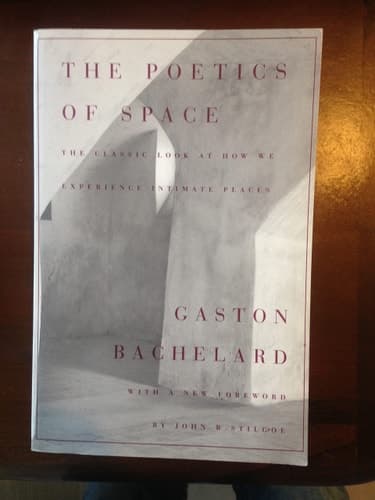
The Poetics of Space
by Gaston Bachelard
Originally published in 1958, Bachelard's meditation on how spaces shape consciousness predates both your artists but explains their obsession with creating immersive, transformative environments. His lyrical approach to materials and spatial experience—how a room or object becomes a site of psychological metamorphosis—is the philosophical ancestor to everything Barney and Beuys attempt in their installations.
View bookAbout Nancy Spector
Biography coming soon.
View author page