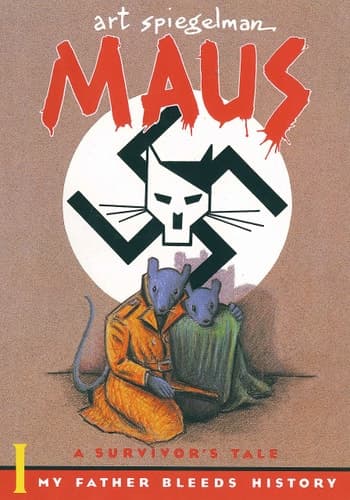
Maus I: A Survivor's Tale My Father Bleeds History
Art SpiegelmanPublished1986
Pages160
Formatpaperback
PublisherKnopf Doubleday Publishing Group
Synopsis
The bestselling first installment of the graphic novel acclaimed as “the most affecting and successful narrative ever done about the Holocaust” (Wall Street Journal) and “the first masterpiece in comic book history” (The New Yorker) • PULITZER PRIZE WINNER • One of Variety’s “Banned and Challenged Books Everyone Should Read”
A brutally moving work of art—widely hailed as the greatest graphic novel ever written—Maus recounts the chilling experiences of the author’s father during the Holocaust, with Jews drawn as wide-eyed mice and Nazis as menacing cats.
Maus is a haunting tale within a tale, weaving the author’s account of his tortured relationship with his aging father into an astonishing retelling of one of history's most unspeakable tragedies. It is an unforgettable story of survival and a disarming look at the legacy of trauma.
Recommendations
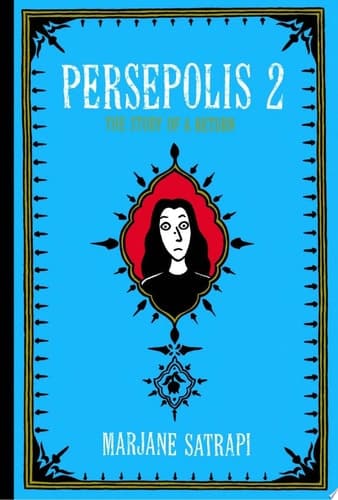
Persepolis 2 The Story of a Return
by Marjane Satrapi
Like Spiegelman, Satrapi uses the graphic novel form to transform personal family history into something universally resonant—but where Maus looks backward through your father's memories, Persepolis is Satrapi's own coming-of-age during the Iranian Revolution. Both use animal-like visual simplification (though Satrapi's is more stylized) to create emotional distance that paradoxically makes the trauma hit harder, and both grapple with how we inherit our parents' historical wounds.
View book
Danzig Trilogy of Gunter Grass A Study of the Tin Drum, Cat and Mouse, and Dog Years
by John Reddick
Grass writes about Nazi Germany from inside it—through the eyes of Oskar, a boy who refuses to grow up—and like Spiegelman, he refuses easy moral clarity or comfortable distance. The novel's fragmented, digressive structure mirrors how trauma splinters memory itself, and Grass shares Spiegelman's dark, gallows humor as a way of surviving the unsurvivable. This is the literary ancestor to what Spiegelman accomplishes in comics form.
View book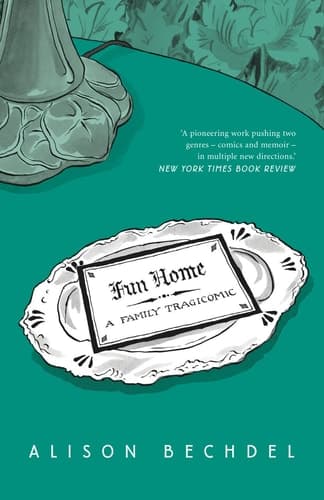
Fun Home A Family Tragicomic
by Alison Bechdel
Bechdel does what Spiegelman does—uses the graphic novel to excavate family secrets and reframe a parent's life through adult understanding—but her subject is her father's closeted homosexuality and his mysterious death. The formal sophistication is remarkable: she layers literary analysis, architectural drawings, and family photographs into the panels themselves. If you loved how Maus makes form inseparable from content, this takes that principle even further.
View book
The Kindly Ones
by Jonathan Littell
Here's the surprise pick: Littell writes a 900-page novel from the perspective of a Nazi SS officer, and it's genuinely one of the most important Holocaust books written since Maus. Where Spiegelman approaches the subject through his father's victimhood and his own guilt, Littell forces you inside the perpetrator's consciousness—not to sympathize, but to understand how ordinary bureaucratic evil metastasizes. It's disturbing and demanding, but if Maus made you think about how we narrate historical trauma, this will make you reckon with narrative itself.
View bookAbout Art Spiegelman
Biography coming soon.
View author page