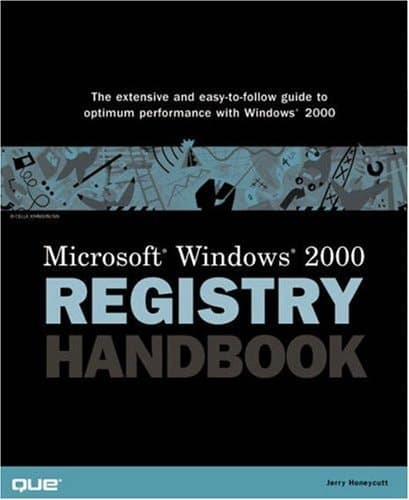
Microsoft Windows 2000 Registry Handbook
Jerry HoneycuttPublished2000
Pages366
Formatpaperback
PublisherQue
Synopsis
Annotation The goal of Windows 2000 Registry Handbook is to help administrators become more effective and productive. The Windows 2000 Registry Handbook helps readers use the registry for practical business purposes. While other books tend to discuss technology for the sake of technology, this book will deliver timely, critical information that administrators can use to perform their jobs better. Topics covered are Administering and Securing the Registry, Customizing Windows 2000, Scripting changes, Troubleshooting, and Diagnosing Common Registry Errors. Windows 2000 Registry Handbook has numerous advantages. By leveraging key relationship with Microsoft product managers and developers, Jerry is able to write a book that is simply not possible for other authors to write.
Recommendations
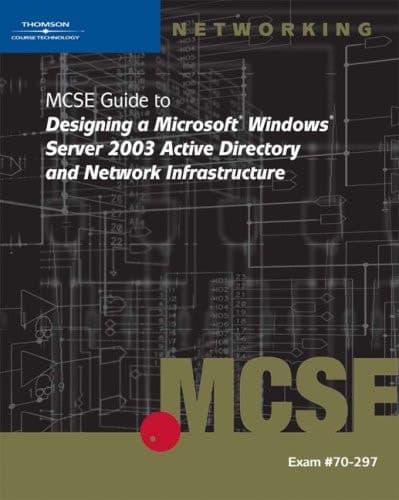
MCSE Guide to Designing a Microsoft Windows Server 2003 Active Directory and Network Infrastructure
by Brian Barber
You've clearly got the appetite for deep technical mastery of Windows infrastructure, and Desmond brings that same practical, administrator-focused approach to Active Directory that Honeycutt brought to the Registry. Where the Registry is the engine, Active Directory is the nervous system—and this book treats it with the same respect for real-world implementation rather than theoretical posturing.
View book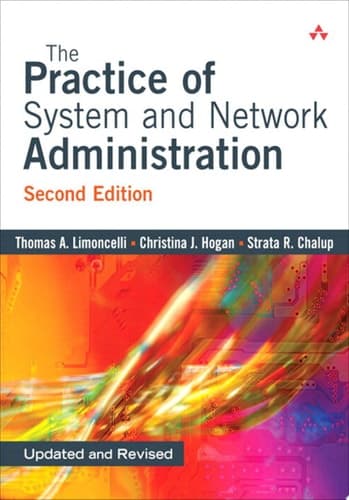
The Practice of System and Network Administration
by Thomas A. Limoncelli
Limoncelli zooms out from the Registry's granular details to show you the philosophy behind why administrators make the choices they do. It's like reading a book that explains not just *how* to configure something, but *why* that configuration matters in a production environment—the kind of thinking that separates competent admins from effective ones.
View book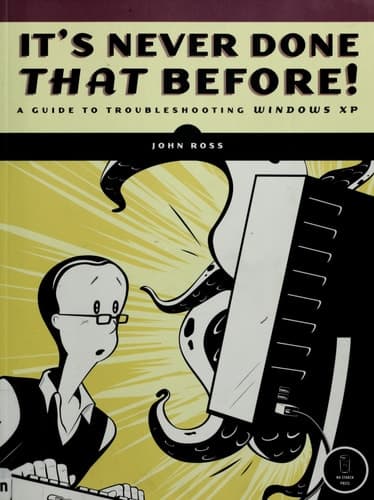
It's Never Done That Before: A Guide to Troubleshooting Windows XP
by John Ross
Halsey's approach to Windows troubleshooting builds directly on the diagnostic foundation you've learned from Honeycutt, but extends it into the field where administrators actually spend their time—solving problems under pressure. The Registry knowledge becomes a tool in a larger toolkit, and you'll recognize the same methodical, systematic thinking you appreciated in the Honeycutt book.
View book
James Bond: The Phoenix Project
by Jim Lawrence
Here's the surprise pick: it's a novel about IT operations, not a technical manual. But if you loved the Registry Handbook for its focus on making administrators *effective*, this book will resonate because it's fundamentally about why the technical work you do matters to the business. It's written as a narrative thriller, which gives you a completely different reading experience while exploring the same core question: how do you run systems that actually serve people?
View book
Microsoft Windows PowerShell Programming for the Absolute Beginner
by Jerry Lee Ford Jr.
Stanek shows you how to automate and script the kinds of Registry changes Honeycutt taught you to make manually. It's the natural evolution of your skillset—taking the detailed Registry knowledge and multiplying its power through scripting. Stanek's pocket consultant format is dense and reference-heavy, perfect for someone who already thinks like a systems administrator.
View bookAbout Jerry Honeycutt
Biography coming soon.
View author page