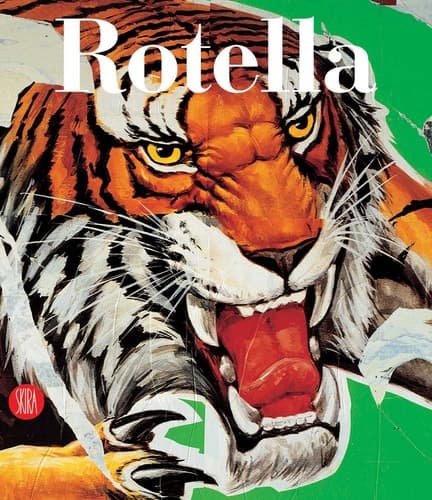
Synopsis
The art of Mimmo Rotella seems to be marked by a constant play of chance and intuition-"the mythical mental radar" to which the artist often alludes in his writings-and can be characterized by his attraction to the unusual, the unexplored and the unforeseen. Germano Celant traces Rotella's work, in all of its diversified phases and periods from 1946 to the present, including the initial geometrical and pre-décollages works, the decollages and the verso of torn street posters, the artypo and emulsified canvases, the blanks, and the overpaintings. Rotella has been the subject of numerous retrospectives throughout Europe and the United States, including Grand Central Station, New York in 1994; Cuartel del Conde Duque, Madrid also in 1994; Galerie Ernst Hilger, Wien in 1999; and Palazzo della Triennale, Milan in 2004. In 1964, Rotella represented Italy in the Venice Biennale.
Recommendations
Art Since 1900: 1900-1944
by Hal Foster
Since you've just absorbed Celant's deep dive into Rotella's methodology and artistic evolution, this comprehensive critical history will give you the broader context for understanding how Rotella's decollage technique fit into the larger postwar avant-garde conversation. Foster and colleagues write with the same attention to artistic intention and material experimentation that Celant brings to Rotella's work.
View book
In Touch The Letters of Paul Bowles
by Paul Bowles
This is a slightly unconventional recommendation, but Klee's correspondence reveals the same restless creative intelligence you'll have noticed in Rotella—an artist constantly interrogating his own methods, chasing intuition over formula, and documenting the mental process behind formal innovation. Where Celant analyzes Rotella's work from the outside, Klee lets you inside an artist's head during moments of genuine discovery.
View book
Silent Theft The Private Plunder of Our Common Wealth
by David Bollier
Here's your surprise pick: Sedaris's diary entries operate much like Rotella's found-object art—taking the detritus of everyday life (overheard conversations, absurd moments, chance encounters) and transforming them into something that reveals hidden meaning and humor in the overlooked. Both artists share an almost anthropological fascination with what culture discards, and both trust that intuition will guide them toward what matters.
View book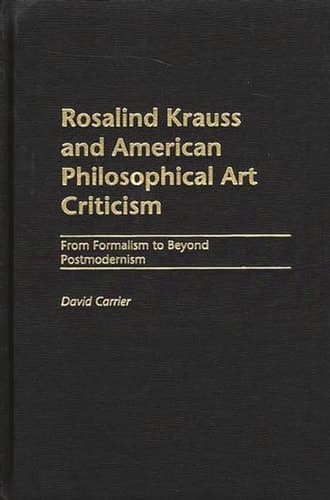
Rosalind Krauss and American Philosophical Art Criticism From Formalism to Beyond Postmodernism
by David Carrier
If you want to understand the theoretical language critics like Celant use to discuss artists like Rotella, Bois's examination of Krauss's thinking about abstraction, the grid, and artistic intention will sharpen your critical vocabulary considerably. It's a book about how to think about modern art rather than about a specific artist, which makes it an ideal companion to your Rotella monograph.
View book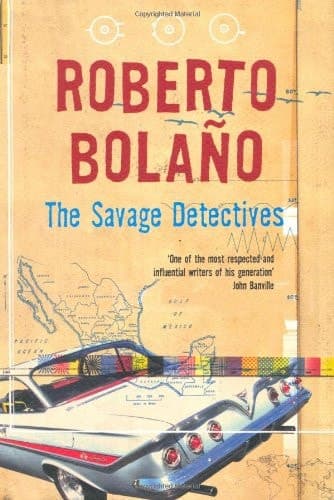
The Savage Detectives A Novel
by Roberto Bolaño
This might seem like a leap from art history into fiction, but Bolaño's novel operates with the same aesthetic principles as Rotella's decollages—fragmentary, digressive, built from found materials (interviews, marginal notes, overheard stories) that accumulate into something unexpectedly coherent. Both works trust the reader/viewer to find meaning in apparent chaos, and both celebrate the creative act of reassembly.
View bookAbout Germano Celant
G
Germano Celant
1940–2020
Italian art critic
View author page