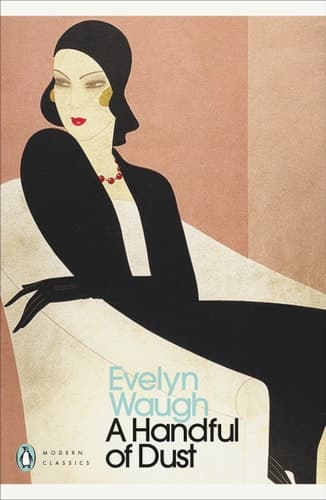
Synopsis
Taking its title from T.S. Eliot's modernist poem The Waste Land, Evelyn Waugh's A Handful of Dust is a chronicle of Britain's decadence and social disintegration between the First and Second World Wars. This Penguin Modern Classics edition is edited with an introduction and notes by Robert Murray Davis.
After seven years of marriage, the beautiful Lady Brenda Last is bored with life at Hetton Abbey, the Gothic mansion that is the pride and joy of her husband, Tony. She drifts into an affair with the shallow socialite John Beaver and forsakes Tony for the Belgravia set. Brilliantly combining tragedy, comedy and savage irony, A Handful of Dust captures the irresponsible mood of the 'crazy and sterile generation' between the wars. This breakdown of the Last marriage is a painful, comic re-working of Waugh's own divorce, and a symbol of the disintegration of society.
If you enjouyed A Handful of Dust, you might like Waugh's Vile Bodies, also available in Penguin Modern Classics.
'One of the twentieth century's most chilling and bitter novels; and one of its best'
Nicholas Lezard, Guardian
'One of the most distinguished novels of the century'
Frank Kermode
'This is a masterpiece of stylish satire, and is funny, too ... a marvellous book'
John Banville, Irish Times
Recommendations
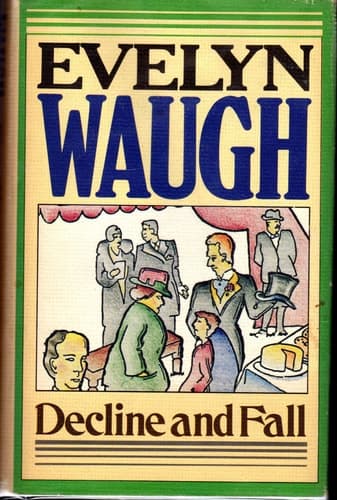
Decline and Fall
by Evelyn Waugh
I know this seems like the obvious next step, but hear me out—*Decline and Fall* is actually sharper and more anarchic than *Handful of Dust*. Where *Handful* traces the slow rot of one marriage and estate, this one gleefully demolishes an entire social institution (a boarding school) in the opening chapters. Waugh's satirical machinery is even more finely tuned here, and the protagonist's passive bewilderment in the face of institutional chaos will feel familiar but more darkly comic.
View book
F. Scott Fitzgerald The Great Gatsby
by Nicolas Tredell
Both novels are elegies for a world of beautiful surfaces concealing moral emptiness, but Fitzgerald approaches it from the American side of the Atlantic with a different kind of melancholy. Where Waugh's Tony Last is trapped by his own passivity and devotion to a crumbling estate, Gatsby is undone by impossible longing. The prose is more lyrical, but the diagnosis of the era's spiritual sickness is equally devastating—and the ending carries a similar punch of tragic inevitability.
View book
Scoop
by Kit Frazier
Greene was Waugh's contemporary and rival, and *Scoop* shares that same brittle wit and contempt for institutional incompetence—but it's set in a fictional African country caught in civil war, which gives the satire a genuinely dangerous edge. The bumbling English journalist protagonist stumbles through chaos with the same obliviousness as Tony Last, but the stakes feel higher. It's funnier than *Handful of Dust* in places, but also more genuinely unsettling about what happens when frivolous people encounter real consequences.
View book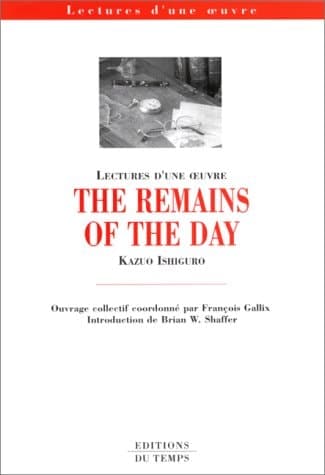
The remains of the day de Kazuo Ishiguro
by Gallix/François
This one's from 1989, so it gives you a different era entirely, but it's obsessed with the same question that haunts *Handful of Dust*: what does loyalty to a dying world cost you? Ishiguro's butler Stevens has devoted his life to serving a grand house and its traditions, much like Tony Last, but the novel is told as a retrospective reckoning—we watch Stevens slowly realize what he's sacrificed. The prose is quieter and more introspective than Waugh's savage irony, but the emotional devastation is just as complete.
View bookAbout Evelyn Waugh
E
Evelyn Waugh
1903–1966
Biography coming soon.
View author page