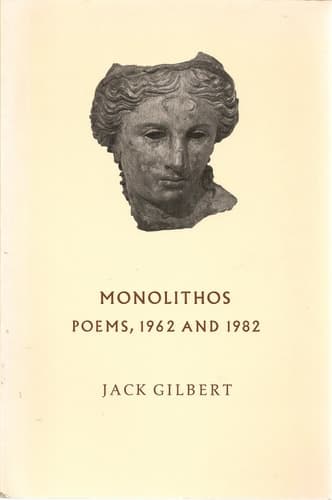
Synopsis
This is the second book of poetry by American poet Jack Gilbert. It was nominated for all three major American book awards: the National Book Critics Circle Award, the Pulitzer Prize for Poetry, and the American Book Award.
Recommendations
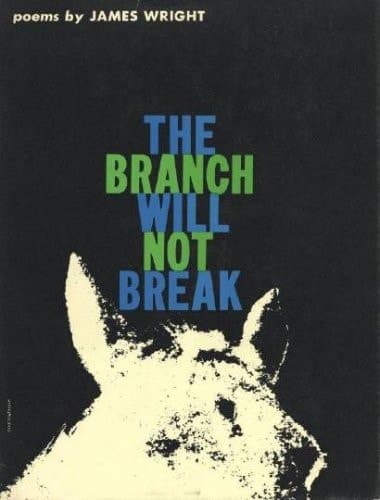
The Branch Will Not Break Poems
by James Wright
Wright shares Gilbert's gift for finding transcendence in ordinary moments—a sudden clarity while watching horses or a river—but where Gilbert often holds back emotionally, Wright lets the feeling flood through completely. Both poets compress profound longing into spare language, but Wright's work has an almost vulnerable directness that will feel like a natural next step if you're hungry for more of that particular ache.
View book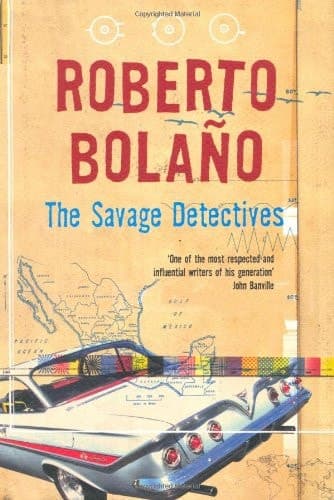
The Savage Detectives A Novel
by Roberto Bolaño
This is my curveball for you, but hear me out: Bolaño's novel has the same obsessive quality as Gilbert's poetry—characters chasing something just beyond reach, beauty glimpsed and lost. Where Gilbert distills experience into crystalline moments, Bolaño sprawls it across 900 pages of fragments and digressions, but the underlying hunger is identical. It's poetry's opposite form, yet somehow kindred in spirit.
View book
A Closer Look at Ariel A Memory of Sylvia Plath
by Nancy Hunter Steiner
Plath's late work shares Gilbert's compression and his willingness to let silence do as much work as language. But where Gilbert's restraint comes from a kind of philosophical acceptance, Plath's comes from pressure—the poems feel like they might shatter. If you appreciated how Gilbert makes every word count, you'll feel the same precision here, though the emotional temperature is entirely different.
View book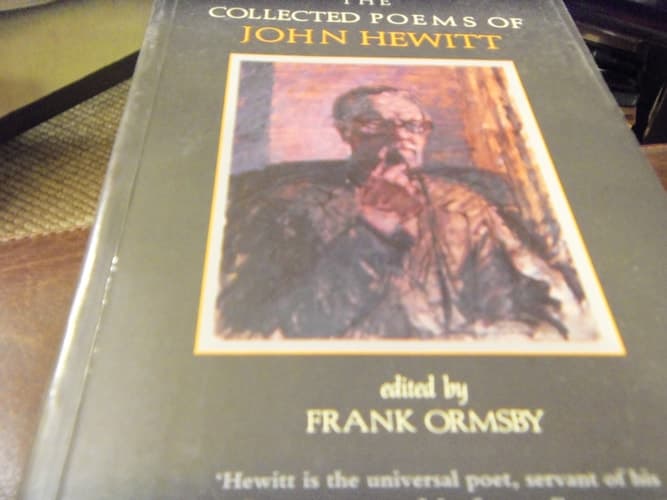
The Collected Poems of John Hewitt
by John Harold Hewitt
Merwin is perhaps the closest contemporary parallel to Gilbert—both are spare, both distrust easy answers, both find wisdom in what's left unsaid. But Merwin's work has a more ecological consciousness, a sense of the world as something vast and indifferent that we're lucky to glimpse. If Gilbert's poems feel like conversations with absence, Merwin's feel like listening to it.
View book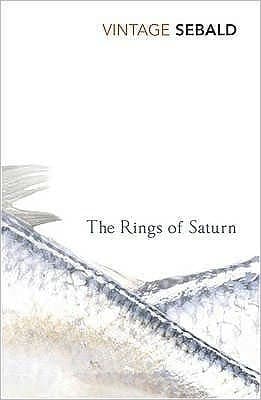
The Rings of Saturn
by Winfried Georg Sebald
A genuine surprise, but Sebald's prose-poem meditation on loss and memory has the same quality as Gilbert's best work—that sense of standing in the ruins of something beautiful and trying to understand what it meant. The photographs, the digressions, the way Sebald circles back to the same themes: it's all working toward the kind of hard-won acceptance that Gilbert achieves in verse. Prose that reads like poetry.
View bookAbout Jack Gilbert
J
Jack Gilbert
Born 1925
Biography coming soon.
View author page