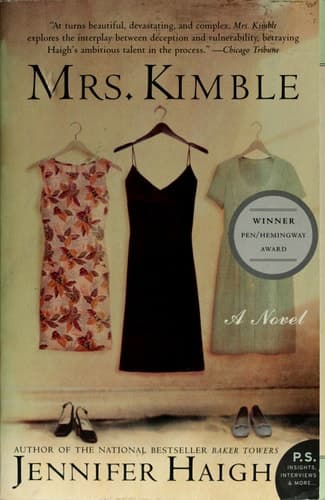
Synopsis
A chameleon, an enigma, all things to all women -- a lifeline to which powerful needs and nameless longings may be attached -- Ken Kimble is revealed through the eyes of the women he seduces: Birdie, his first wife, struggling to hold herself together after his desertion; second wife, Joan, a lonely, tragic heiress who sees her unknowable husband as her last chance for happiness; and Dinah, a beautiful but damaged woman half his age.
Recommendations
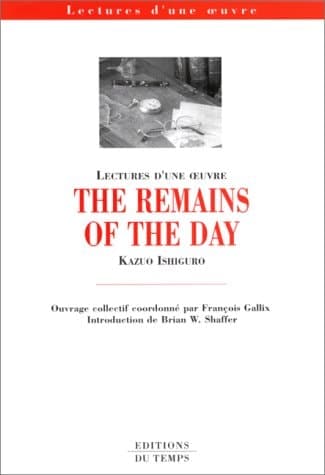
The remains of the day de Kazuo Ishiguro
by Gallix/François
Like Haigh's portrait of Ken Kimble through multiple women's perspectives, Ishiguro constructs an entire character through what's *not* said—Stevens reveals himself through his careful omissions and self-deceptions. Both novels use unreliable narration to explore how we construct false versions of people we're desperate to believe in, and both have that same quiet, devastating emotional precision.
View book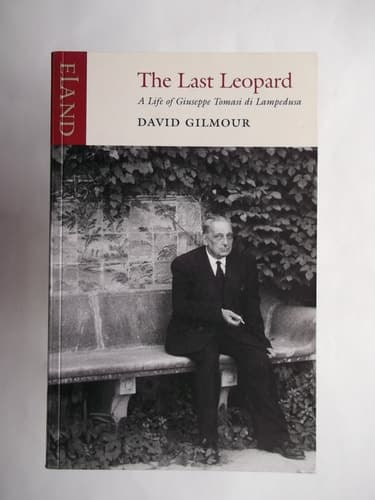
The Last Leopard: A Life of Giuseppe Tomasi di Lampedusa
by David Gilmour
Published in 1958, this gives you that historical distance while exploring similar territory: a man observed through the eyes of those around him, a study of charm and unknowability, and the way people project their needs onto someone fundamentally indifferent. Lampedusa writes with the same cool, almost anthropological eye that Haigh uses—watching human behavior without sentimentality.
View book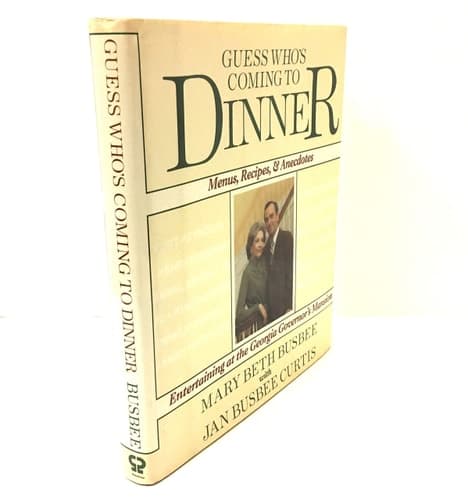
Guess Who's Coming to Dinner Entertaining at the Georgia Governor's Mansion : Menus, Recipes & Anecdotes
by Mary Beth Busbee
This is my surprise pick—it's a psychological thriller rather than literary fiction, but it shares Haigh's fascination with how a charismatic outsider destabilizes a household and reveals the fractures already present. Where *Mrs. Kimble* is introspective and slow-burn, this one's propulsive, but both examine the dangerous gap between who we think someone is and who they actually are.
View book
Olive Kitteridge Fiction
by Elizabeth Strout
Strout builds her novel the way Haigh does—through interconnected stories that reveal one central figure from different angles, each narrator adding another layer to an impossible-to-fully-know person. Both books have that same New England sensibility and the same interest in how ordinary people contain multitudes and contradictions that their loved ones can never quite reconcile.
View book
The Paying Guest
by George Gissing
Waters constructs a similar web of desire, deception, and the stories we tell ourselves about relationships—here, two women and a married couple in 1920s London whose lives become fatally entangled. Like Haigh, Waters is interested in how people can be simultaneously transparent and utterly unknowable, and how attraction can be both clarifying and completely blinding.
View bookAbout Jennifer Haigh
Biography coming soon.
View author page