Synopsis
All books are shipped from Austria!
Recommendations

The Killer Inside Me
by Jim Thompson
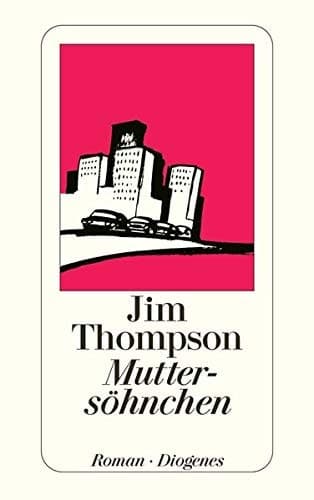
I notice you've just finished Thompson's work, so let me redirect you slightly—if you haven't already read this one, it's Thompson at his most psychologically brutal. The unreliable narrator voice here is even more insidious than in Muttersöhnchen, pulling you into complicity with a protagonist whose internal monologue is deceptively calm while describing genuinely disturbing acts. It's the book that made Thompson's reputation for getting under the skin of American noir.
View book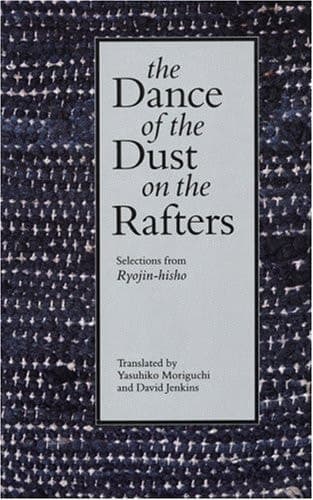
The Dance of the Dust on the Rafters: Selections from <I>Ryojin-hisho</I>
by David Jenkins
Goodis shares Thompson's gift for depicting small-time criminals with brutal honesty, but where Thompson goes inward and psychological, Goodis keeps you moving through a world of con artists and desperate people making worse choices by the page. The prose has that same lean, unsentimental quality—no wasted words, just the mechanics of how people destroy each other.
View book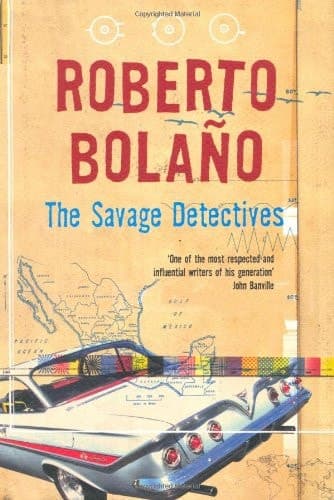
The Savage Detectives A Novel
by Roberto Bolaño
Here's the surprise: Bolaño's sprawling novel shares Thompson's fascination with how people rationalize their own failures and obsessions, but he applies it to bohemian poets and literary obsessives rather than criminals. The middle section—told entirely through interviews—has that same claustrophobic intensity as Thompson's internal monologues, except you're hearing dozens of unreliable voices describing the same mysterious figures. It's crime fiction's weird cousin.
View book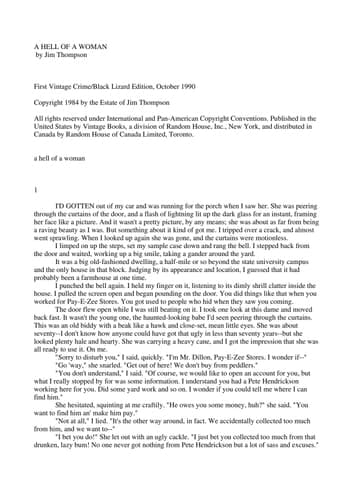
A Hell of a Woman
by Unknown
Another Thompson recommendation, but this one deserves separate mention because it's structured as a dual narrative—two men telling their versions of the same events, and neither is trustworthy. If you loved the way Muttersöhnchen plays with perspective and what we believe, this one takes that technique and weaponizes it across an entire novel. Published in 1954, it shows how Thompson was experimenting with form decades before postmodern crime fiction became fashionable.
View book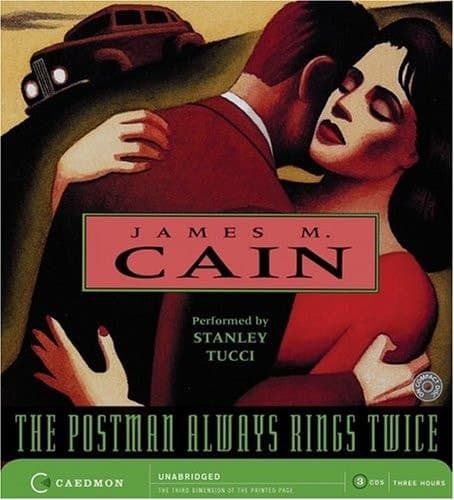
The Postman Always Rings Twice
by James M. Cain
Cain's novella is tighter and more economical than Thompson, but it has that same quality of watching someone's moral collapse happen in real time, narrated by the person doing the collapsing. The fatalism here—the sense that these characters are doomed from page one—creates an almost hypnotic tension. It's shorter than Thompson but hits with the same weight, and it influenced everyone who came after, including Thompson himself.
View bookAbout Jim Thompson
J
Jim Thompson
Born 1949
Biography coming soon.
View author page