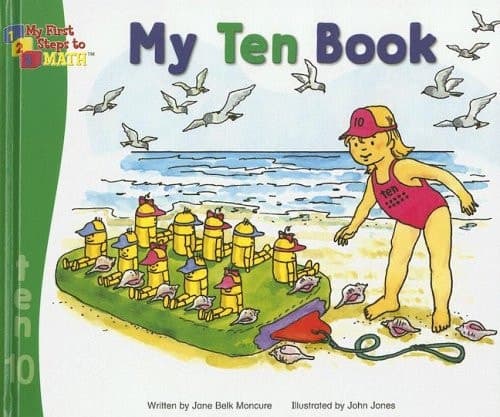
Synopsis
Little Ten is an engaging girl who just loves to count to ten. One wintry day, Little Ten gets a wonderful surprise--a special delivery package! Readers learn about the concept of the number ten as Little Ten is inspired to count by tens for an entire year.
Recommendations
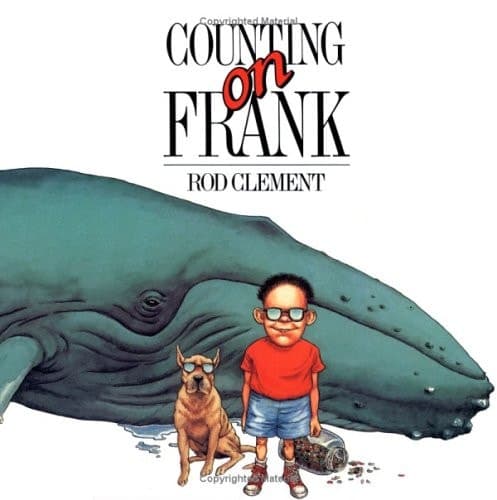
Counting on Frank
by HOUGHTON MIFFLIN
Like Little Ten, this book makes mathematics feel like an adventure rather than a lesson—but Clement takes the concept further by having a boy and his dog Frank explore increasingly wild 'what if' counting scenarios that stretch imagination alongside numeracy. Where Moncure grounds counting in a satisfying yearly structure, Clement uses it as a springboard for absurdist humor that'll keep you grinning.
View book
The Phantom Tollbooth
by Norton Juster
This is my slightly left-field suggestion, but hear me out: both books treat numbers and language as actual places you can visit and explore. Where Little Ten discovers the joy of counting through a year's journey, Milo discovers that words and numbers are gateways to entire kingdoms with their own logic and beauty. It's got that same sense of delighted discovery, just with considerably more wordplay and philosophical depth.
View book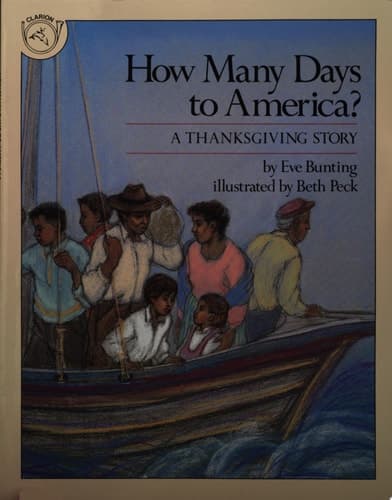
How Many Days to America? A Thanksgiving Story
by Eve Bunting
Bunting uses counting—specifically, counting down the days of a journey—to frame a story with real emotional weight about a family seeking refuge. It shares Moncure's structural use of numbers as a way to mark time and build anticipation, but grounds it in a narrative that grows more meaningful with each page rather than remaining purely celebratory.
View book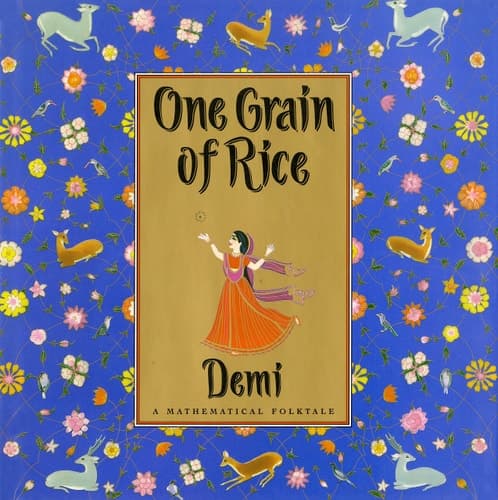
One Grain Of Rice: A Mathematical Folktale
by Demi
This is a folktale-based picture book where exponential growth becomes the plot itself—a girl asks for one grain of rice on day one, two on day two, doubling each day. It captures that same satisfaction you get from Little Ten's methodical counting, but transforms it into a story about cleverness and consequence where the mathematics actually *matters* to what happens.
View book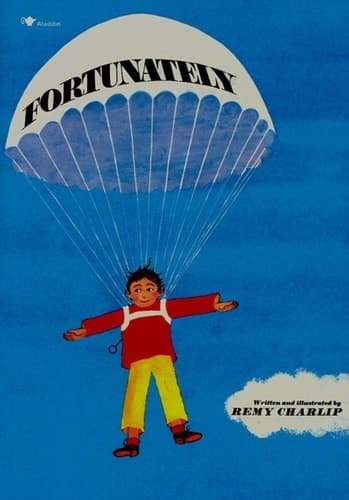
Fortunately
by Remy Charlip
Published in 1964, this one's from a different era entirely, and it's structured as a series of alternating fortunate and unfortunate events—so you're essentially counting through a chain of cause-and-effect rather than numbers themselves. The rhythm and pacing will feel familiar from Little Ten, but Charlip's illustrations and absurdist logic create something wonderfully unpredictable that rewards re-reading.
View bookAbout Jane Belk Moncure
J
Jane Belk Moncure
1926–2013
Jane Belk Moncure was an American author of early childhood non-fiction, fiction and poetry. Moncure lived in Virginia and North Carolina. She worked in early childhood education for thirty-five years. Moncure was a creative and prolific author: millions of her books are in circulation, and they are widely distributed in schools and libraries. Jane Belk Moncure was a recipient of the C.S. Lewis Award and over the past 20 years, her works were recognized by numerous Awards. Most recently, in 2008, Jane received the Scholastic Teacher's Choice Award for her outstanding contribution to the My First Steps to Learning Program. Source: wikipedia
View author page